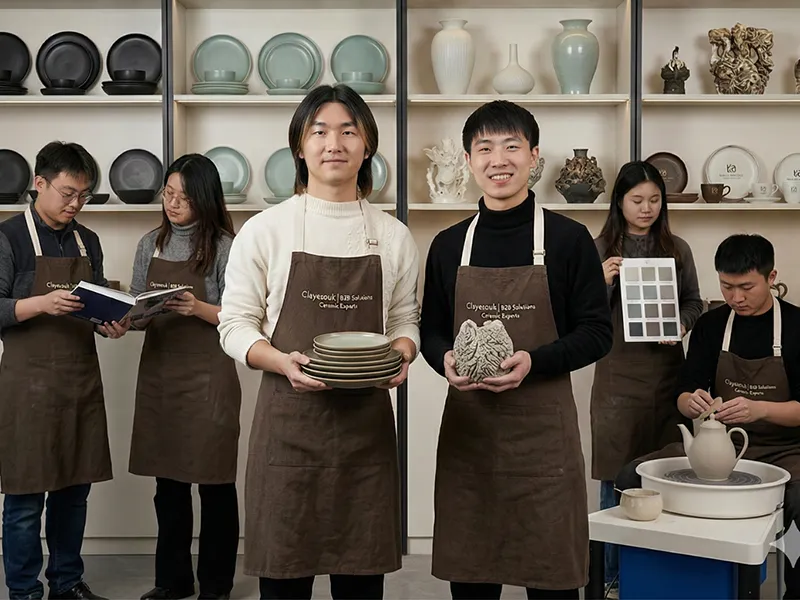
You learn about the 72 hands in jingdezhen. These are steps that help make ceramics. Each step makes handmade ceramics strong and beautiful. You notice how old ways and art mix in each porcelain piece. When you look at brands like CLAYE, you feel close to history. You may ask why these steps are important. You may wonder how each step helps and what makes these ceramics special.
Key Takeaways
The 72 hands in Jingdezhen are important steps. These steps help make strong and pretty ceramics. Artisans pick the best kaolin clay. They use old methods taught by their families. This makes each porcelain piece special and tough. Each step checks for mistakes. This helps make sure every ceramic is very good. Jingdezhen has a long history of making ceramics. You can see this skill in every handmade cup. These cups link people today to old traditions. Brands like CLAYE let people change their ceramic pieces. This mixes old art with new styles for a special look.
What Are the 72 Hands in Jingdezhen?
Definition of 72 Hands
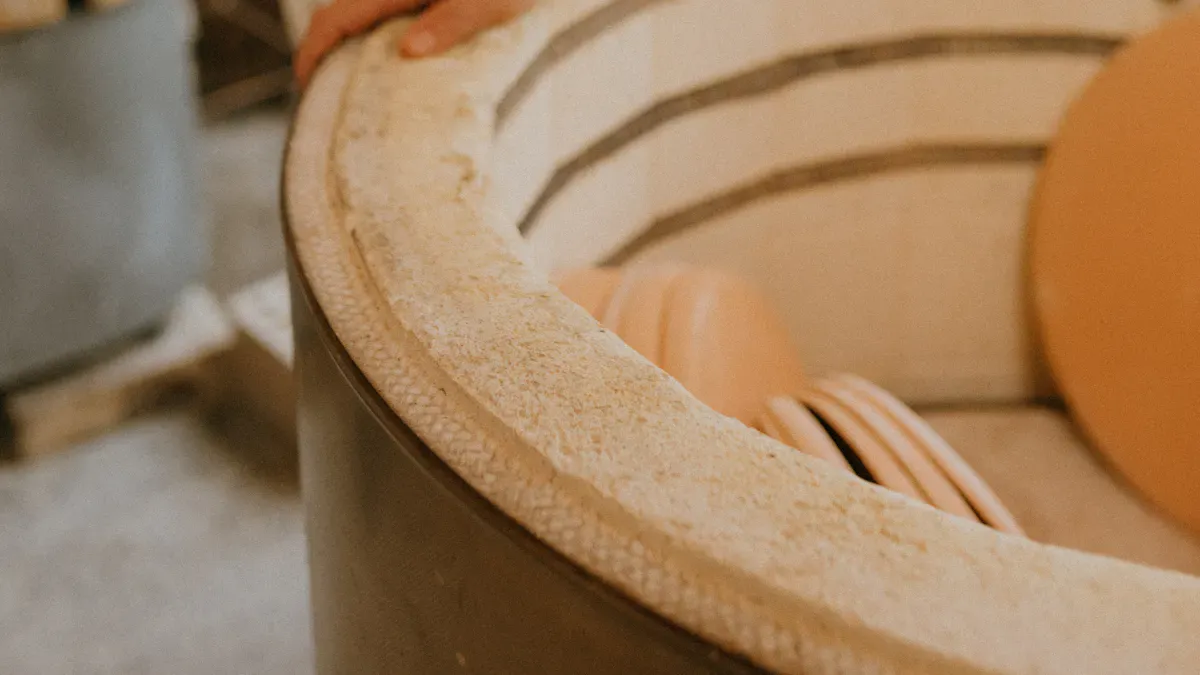
The 72 hands are many steps for making ceramics in Jingdezhen. Each step is a different skill or job. Artisans use their hands to turn clay into porcelain. The first thing they do is pick the clay. They only use the best kaolin clay from Jingdezhen. This clay makes the porcelain strong and smooth. Craftsmen shape and mold the clay on wheels. Sometimes, they use special molds to get the right shape. Every piece gets a lot of care.
Glazing and decoration need special skills. Artisans paint each piece by hand. They mix colors with secret family recipes. The last step is firing. The pieces go into wood-fired kilns. The heat must be just right. This makes the porcelain shiny and tough. You can look at the table below to see the steps:
Step | Description |
|---|---|
Selecting Clay | Only the finest kaolin clay from Jingdezhen’s famous mines is chosen for its purity and workability. |
Shaping & Molding | Master craftsmen shape each piece on traditional pottery wheels or using custom molds for precision. |
Glazing & Decoration | Intricate hand-painting and glazing techniques are applied, each color mixed according to secret family recipes. |
Firing | Pieces are fired in traditional wood-fired kilns at precise temperatures for optimal strength and color development. |
Every step is important. The 72 hands make sure each piece is beautiful and high quality.
Historical Roots in Jingdezhen
Jingdezhen is known for porcelain for a long time. The city became famous for ceramics over 1,700 years ago. The 72 hands come from old traditions. Artisans taught their skills to their children. You can visit the ancient kiln folk culture museum. There, you see old tools and learn about ceramics. The 72 hands help you feel close to history. The steps show respect for old ways and skill. Modern brands like CLAYE still use these methods. The process keeps Jingdezhen’s spirit alive. Each cup shows the city’s history and art.
Why So Many Steps in Handmade Ceramics?
Quality Assurance
You may wonder why artisans use so many steps to make one piece of porcelain. Each step in the 72 hands has a clear purpose. When you break down the process, you see that every action checks for mistakes and improves the final product. For example, when you shape the clay, you make sure the walls are even. When you trim the piece, you remove extra material and smooth the surface. Careful drying prevents cracks. Glazing and painting add color and design, but also protect the surface. Firing at the right temperature makes the piece strong and shiny.
Each step acts like a checkpoint. If you skip a step, you risk flaws or weak spots. This careful process means you get ceramics that last longer and look better. Brands like CLAYE follow all these steps to make sure every cup meets high standards. You can trust that your handmade ceramics will stay beautiful and strong for years.
Tradition and Expertise
The 72 hands come from a long history of skill and teamwork. In Jingdezhen, people started dividing the work into many steps during the Ming Dynasty. This made the process faster and helped new workers learn their jobs quickly. Each person became an expert in one part of the process. You see this tradition in modern workshops. Artisans pass down their skills from one generation to the next.
Today, brands like CLAYE keep these traditions alive. They use the same careful steps that have worked for hundreds of years. When you hold a CLAYE cup, you hold a piece of history and culture. The 72 hands show how teamwork and expertise create ceramics that are both useful and beautiful.
Phases of 72 Hands in Jingdezhen
You find out that the 72 hands process covers all the steps to make one cup. Each phase shows how skilled and careful the artisans are. These steps help Jingdezhen become famous for porcelain.
Material Selection and Preparation
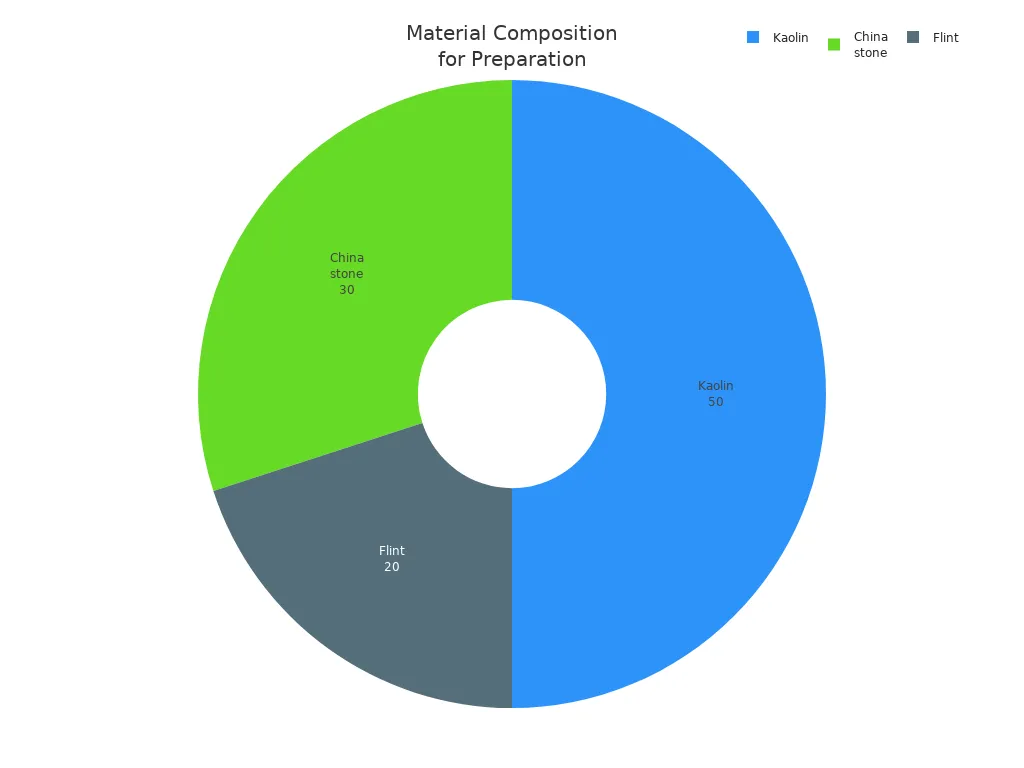
You begin with the best materials. Jingdezhen uses kaolin, China stone, and flint from Jiangxi. The quarries are checked to keep the materials pure. Kaolin makes the porcelain strong and smooth. China stone adds shine and helps it last longer. Flint gives the right texture. You can see the mix in the table below:
Material | Percentage (%) |
|---|---|
Kaolin | 50 |
China stone | 30 |
Flint | 20 |
Some old kaolin mines are now covered by nature. Artisans use good blends to make porcelain the old way. CLAYE’s handmade cups use these materials, so each one is strong and lasts a long time.
Forming and Shaping
You watch as the artisans put soft clay on the wheel. They use their hands to center the clay and pull it up. This step is very important in Jingdezhen. The artist shapes the cup with care. Expert potters make the walls very thin. This skill makes the cups light and special. There is strict checking for quality. More than 30% of pieces do not pass before firing. This is why handmade porcelain from Jingdezhen is worth more than factory cups.
Master potters work with care.
Thin walls show great skill.
Only a few cups are made each day.
Drying and Trimming
You learn that drying must be slow and even. This keeps the cup from cracking. Trimming takes off extra clay and smooths the cup. Careful drying and trimming keep the cup strong for the next steps.
Slow drying is very important. You stop cracks and mistakes. Trimming makes the cup look perfect.
Decorating and Painting
You see how decorating works. Jingdezhen’s painting skills are very old. Artisans use overglazes, a method from long ago. You notice hand-painted designs, mostly blue-and-white. The artist adds color and detail by hand. Each cup is a small piece of art. CLAYE’s blue-and-white cups show this tradition.
Overglaze painting is a special skill.
Blue-and-white designs are known everywhere.
Each cup shows the artist’s talent.
Glazing Methods
You see artisans put a glassy liquid on the cups. The glaze makes the surface shiny and smooth. It also brings out the colors. Jingdezhen is famous for blue-and-white glaze, but there are other colors too.
Glazing makes cups shiny and strong.
Blue-and-white glaze is a classic look.
Other colors and patterns make each cup different.
After glazing, the cups are fired again at about 1300°C (2372°F). This step melts the glaze and makes the cup stronger.
Firing Techniques
You watch the firing step. Jingdezhen porcelain is fired at very high heat, over 1,300°C. This makes the cups strong and hard to break. This step makes Jingdezhen’s porcelain better than others.
High heat firing makes the best quality.
The cup becomes tough and glassy.
Good firing means the cup lasts longer.
CLAYE’s cups stay strong because of this firing.
Finishing and Inspection
You reach the last step. Artisans check each cup for problems. They polish and finish the surface. Only the best cups pass the test. CLAYE sends a video of your cup before shipping. You get a special cup made by the 72 hands process.
Feature | Description |
|---|---|
Crafting Process | Each cup goes through 72 steps by hand, making it unique and high quality. |
Material | Made from natural rock, with iron and copper in the glaze. |
Unique Characteristics | No two cups look the same because of kiln changes. |
Durability | The kaolin body is strong and lasts a long time. |
Confirmation Process | You get a video of your cup before it is sent to you. |
You see how the museum keeps these steps alive. You learn that every step is important. The 72 hands process makes Jingdezhen famous for porcelain. You understand the skill and tradition in every cup.
Unique Techniques in Jingdezhen Handmade Ceramics
Signature Artistic Methods
You find out that Jingdezhen is special because of its art methods. Artisans use very high heat, about 1300°C, to fire porcelain. This makes the porcelain strong and hard. You see detailed underglaze painting on many pieces. This painting shows skills that took many years to learn. You notice that old group work mixes with new ideas from artists. These changes bring new ways to fire and decorate. You learn that these methods make Jingdezhen ceramics stand out.
You can feel both history and new ideas in each cup. The careful steps and special skills help Jingdezhen stay known for quality.
Blue and White Porcelain Painting
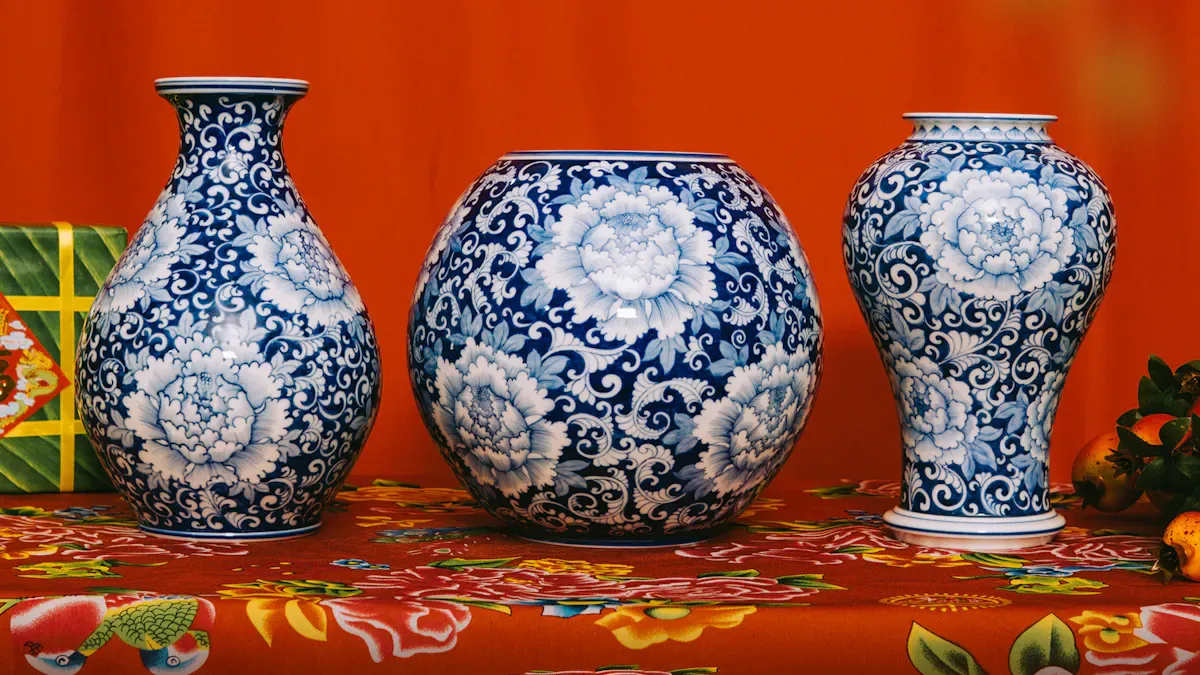
You learn that blue-and-white designs are famous in Jingdezhen. Artisans paint these by hand with cobalt pigment under the glaze. This style is called blue-and-white porcelain. You see how these cups changed art around the world.
Artisans changed their designs for other countries, adding European coats of arms or Islamic writing.
The blue-and-white style shows the strength and mystery of Chinese culture.
You see that blue-and-white cups from Jingdezhen are loved everywhere. The painting style gives each cup a special look.
Customization and Modern Adaptations
You find that Jingdezhen keeps changing and growing. Brands like CLAYE let you choose your own cup style. You can pick patterns, glazes, shapes, and sizes. This means you get a cup that fits you.
Aspect | Description |
|---|---|
Historical Context | Jingdezhen has made porcelain for over 2,000 years and built a full craft system. |
Digital Technology Impact | Digital tools help keep and share Jingdezhen ceramic skills. |
Focus Areas | Artisans look for new ways to create and show their work. |
Custom Solutions | Brands like CLAYE let you make your own ceramic cup. |
You see that digital tools help artisans share their skills and protect their craft. Custom choices and new ideas keep Jingdezhen ceramics fun and new.
Impact of 72 Hands on Quality and Artistry
Craftsmanship and Durability
When you hold a handmade cup from Jingdezhen, you see its value. Each step helps make the cup strong and nice to look at. Artisans use skill to shape, paint, and fire each piece. Thin walls and smooth surfaces show expert work. Firing at high heat makes the porcelain hard and hard to chip. Using a blue-and-white cup lets you feel how tough it is. This strength comes from many years of tradition. The 72 hands make sure your cup stays shiny and lasts a long time.
Every step checks for mistakes. You get a cup that is strong, light, and special. The process keeps the quality high so you can enjoy your cup every day.
Artistic and Cultural Value
Jingdezhen is not just a place for porcelain. The city’s ceramic culture shapes its art and who the people are. The ‘Jing Piao’ group helps keep old ways alive. They bring new ideas and protect blue-and-white porcelain. Their work changes local markets and inspires new designs. When you pick handmade ceramics, you join a story bigger than just a cup. The art shows the spirit of Jingdezhen and the skill of its makers.
Artistic Feature | Cultural Impact |
|---|---|
Blue-and-white designs | Shows Chinese heritage |
Custom painting | Supports creative expression |
Traditional techniques | Keeps history alive |
Global Reputation
Jingdezhen is known and respected all over the world. Since the Song Dynasty, the city has led in new styles and skills. By the Ming Dynasty, people in Europe wanted blue-and-white porcelain. In the Qing Dynasty, artisans tried new glazes and firing ways. This made ceramics more colorful and pretty. Today, young artists and business people bring new ideas to Jingdezhen. The city’s porcelain connects old and new generations. Handmade ceramics from Jingdezhen are loved in many countries for their quality and beauty.
You notice the 72 hands help keep Jingdezhen’s history safe. Every step helps keep the ceramic culture alive. These steps make each handmade ceramic special. Brands like CLAYE mix old skills with new styles. This helps the heritage stay strong today. Many people visit and admire the artisans’ work. They see how deep Jingdezhen’s roots go. Artists in the community help each other and share their history. When you learn about these steps, you respect the ceramics more. You understand why collectors and regular people love them.
FAQ
What makes Jingdezhen ceramics different from other porcelain?
Jingdezhen ceramics are special because they use local kaolin clay. Artisans follow 72 steps to make each piece. Every cup shows careful work and unique designs.
How do the 72 hands affect the quality of my ceramic cup?
The 72 hands help by checking for mistakes at every step. This makes your cup stronger and helps it look nice for a long time.
Can I customize my ceramic cup with CLAYE?
You can pick the patterns, glazes, shapes, and sizes you like. CLAYE lets you make a cup that matches your style and what you need.
Why do artisans use high-temperature firing?
High-temperature firing makes porcelain tough and shiny. This step helps your cup stay bright and not chip easily.
Are handmade ceramic cups safe for daily use?
You can use handmade ceramic cups every day. Artisans use safe materials and fire them with care, so each cup is strong and safe.