
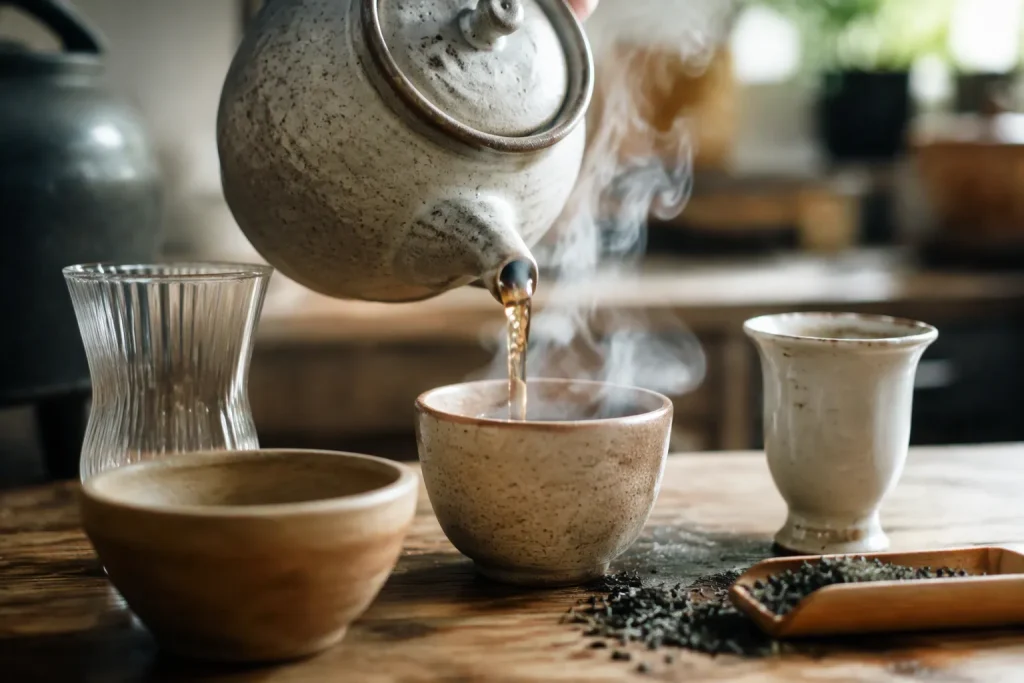
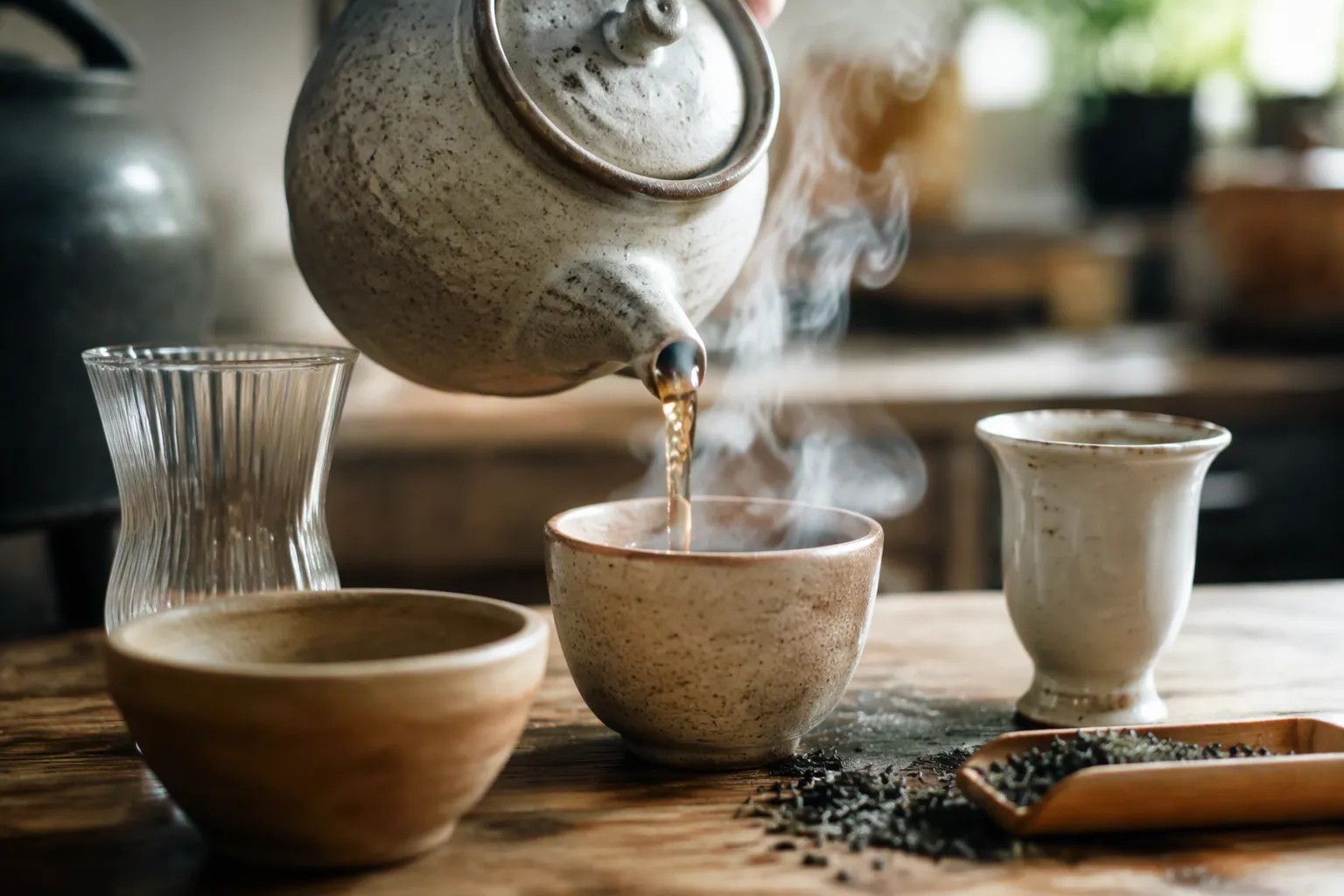
You pour the same tea into your favorite mug and a thin porcelain cup. The taste of tea shifts, right? That tea tastes different because a teacup is never a neutral tool. Shape and material change how tea reaches your tongue, how aroma rises to your nose, and how long heat stays. Your perception blends touch, vision, and smell into one multisensory experience. Even color nudges taste perception before you sip. The payoff is simple. Pick the right tea drinking vessel and you sharpen every note of flavor you love. Small choice, real difference in flavor, and better tea drinking from the first pour.
Key Takeaways
Your teacup changes tea taste through touch, smell, heat, and sight.
A flared lip boosts floral notes in light teas like oolong and green tea.
Thick walls keep tea hot longer and suit hearty black teas.
Porous clay rounds out strong teas by holding and releasing aroma.
Try different cups to train your taste and enjoy tea more.
Why Tea Tastes Different: The Science of Perception
How Touch and Vision Shape Flavor
Your brain puts together the taste of tea from many senses at the same time. Taste buds tell you sweet, bitter, and umami. Your fingers feel weight and texture. Your eyes see color and shine. Researchers call this mix taste-tactile multisensory interactions, and it shapes taste perception before you even swallow. In one group of studies, cup material and skin touch changed how warm a drink felt and how sweet it seemed. A velvet-textured glass made wine taste fruitier and more pleasant than a rough one. Cup diameter and height changed coffee aroma, bitterness, and sweetness. Thick rims on a teacup keep the liquid warm and hold heat, which helps tea flavor perception over a longer sip.
Vision plays a part too. A white cup can make the same tea taste different from a dark one, because color sets an expectation your tongue then confirms, and flavor follows. This is one of the quiet influences on the perception of tea taste. Tea taste perception is not fixed, and the perception of tea flavor depends on more than the leaf. The taste of tea changes with the vessel, and so does your tea taste perception.
The Role of Aroma and Temperature
Most of what you call flavor comes up the back of your throat, not off your tongue. Retronasal aroma carries the aroma of tea from your mouth to your nose. One study tracked oolong over 60 seconds across ten trials. Intensity rose and fell in a curve, and later sips seemed stronger than the first. Your sense of smell gets sharper as you sip rather than fading. That is good news for anyone who wants to notice more in a cup.
Heat controls release. Volatile molecules leave the liquid at different rates as it cools, so a tea can smell leafy in the pot, floral in the steam, and sweeter in the cup. Temperature also changes taste and aroma perception directly, and taste perception follows the heat. A thick-walled teacup keeps the liquid hotter longer, which stretches the window where release peaks. Together, taste and aroma depend on how your teacup manages heat and headspace. Every flavor note counts, and this multisensory view of the taste of tea rewards a careful pour. Taste perception is a skill you can train.
How Teacup Shape Changes Tea Flavor
Width, Height, and Liquid Flow
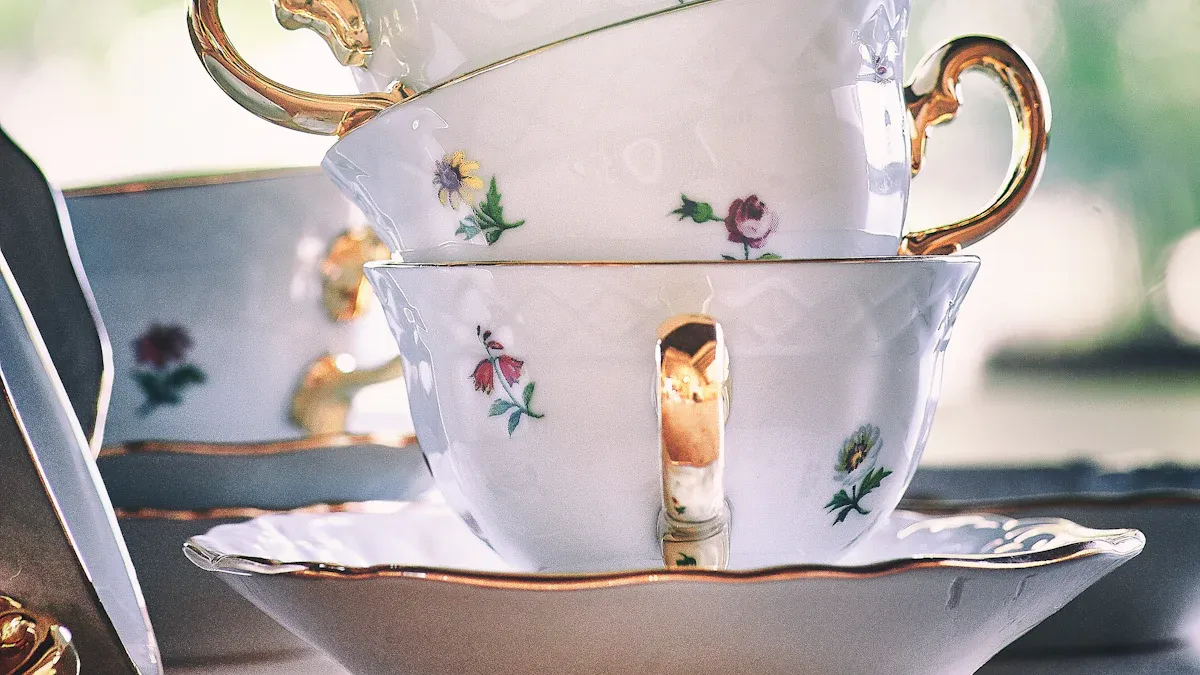
The shape of the teacup decides where the liquid lands on your tongue. A wide, shallow teacup spreads tea across the front of your mouth first. That spot picks up sweetness and light floral notes. A tall, narrow teacup sends tea toward the back, where bitterness and depth show up sooner. You can test this yourself with two cups and one pot. The same leaves will hit your taste buds in a different order, and the taste of tea will shift.
Height also controls the distance between the surface and your nose. A tall teacup traps aroma in a narrow column. That column reaches your nose with more force on each sip. A short, open teacup lets aroma drift away. The influence of teacup shape on taste and aroma is real, and you feel it on the first sip.
Here is the detail most people miss. A teacup with an outward-flaring lip opens up subtle floral and grassy notes. The flare pushes liquid to the front of your tongue and lets aroma spread sideways as you sip. Light oolong, green tea, and white tea benefit most. A straight or inward rim does the opposite. It focuses the stream and mutes those top notes. So the shape and texture of teacup work together here. The shape and texture of teacup guide the flow, and the shape and texture of teacup also set the headspace. Try a flared cup next to a straight one, and the shape and texture of teacup will explain the gap.
Rim Thickness and Sipping
Rim thickness changes how the teacup meets your lips. A thin rim feels delicate and lets you sip a small, precise amount. A thick rim feels soft and rounded, and it pushes more liquid into your mouth per sip. That extra volume changes your taste perception. More liquid means more contact with your tongue, so bold notes arrive faster.
Thick walls and rims also hold heat longer. Warm tea releases aroma at a steady rate, and that steady release supports taste perception over the whole cup. But thickness has a trade. A thick rim can make tea feel thicker in texture and taste less sweet. The heavy rim dulls the crisp edge of delicate leaves. You may notice the flavor of a light tea going flat. The texture of the teacup matters as much as its outline.
This is where teacup shape and texture become a single decision. Teacup shape and texture set the flow, and teacup shape and texture set the heat. Your sensory system reads both at once. The perception of tea taste depends on that reading. A thin, flared teacup suits a fragrant oolong. A thicker teacup suits a hearty black tea that can carry the weight. Notice how tea tastes different when you swap the two. The perception of tea taste is not fixed. Your teacup writes part of the story, and tea taste perception follows the cup you choose.
Material, Texture, and Tea Flavor
Porcelain, Clay, Glass, and Metal
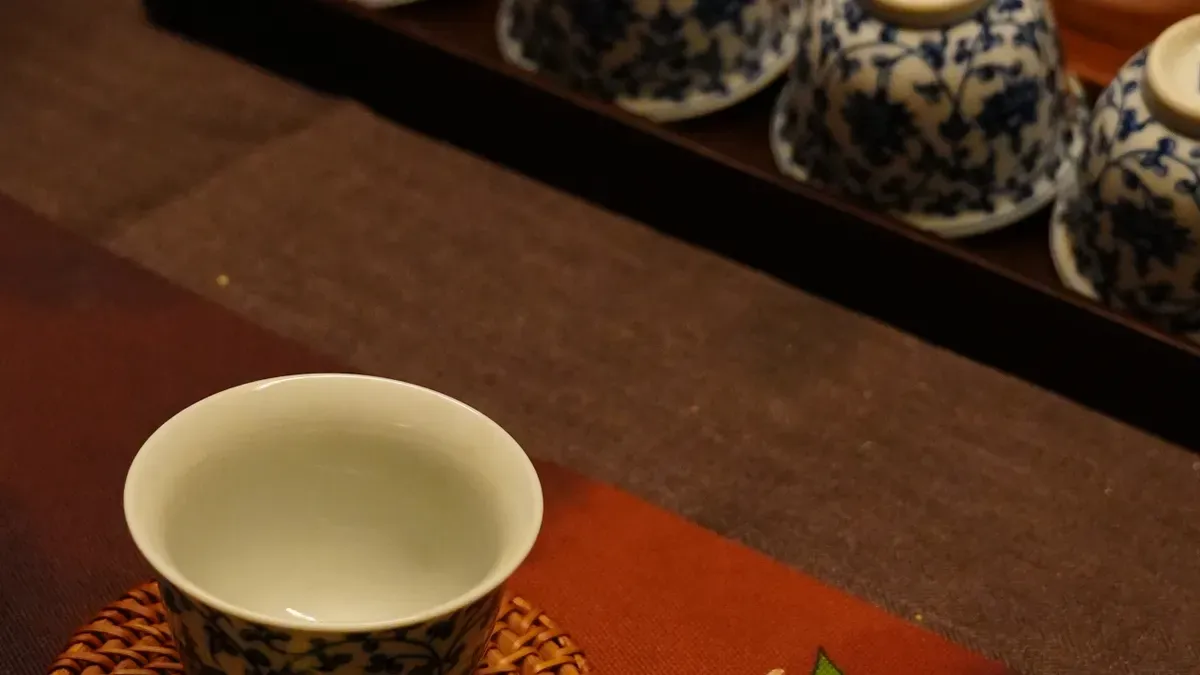
The material of your teacup sets the rules for heat, chemistry, and aroma. Porcelain is much less porous than clay. It does not soak anything up, so it brings out the delicate flavors of tea instead. Thin walls and a smooth surface keep warmth steady through short sessions and make floral and vegetal notes stand out. Glass absorbs nothing either, and it lets you watch the tea steep. But single-wall glass cools fast, so the bright top notes fade before you finish. Metal moves heat quickly, feels hot without insulation, and tends to dull subtle aroma cues. Double-walled metal traps air and slows cooling a lot.
Material | Effect on flavor perception |
|---|---|
Porcelain | A non-porous glazed surface stops residue from building up, so flavors don’t mix between teas; a neutral pH keeps the tea’s natural balance. |
Unglazed clay | Soaks up essential oils and gives them back over time, which rounds out strong teas. |
Glass | Cools faster than porcelain, so top notes fade; absorbs nothing. |
Metal | Moves heat quickly and can dull delicate aromas. |
Porous clay acts in a different way. It takes in tea aroma and later lets it go, which gives a natural, authentic taste. The porous structure also holds warmth, so the drink stays hot longer. This is where clayesouk earns its place. The brand comes from Jingdezhen, a city with over 1,700 years of porcelain heritage. Its artisans bring more than ten years of experience to every piece, and the studio holds national-level ICH productive protection demonstration base status. Their handmade ceramic cups use porous clay to round out and hold aroma, so each sip feels fuller.
Surface Texture and Aroma Retention
How smooth the surface is and the glaze decide how aroma sticks and releases. Rougher fired surfaces have more surface area, which creates more spots for adsorption. Oxidized polyphenols can catch and release volatile aromatics, which changes both their concentration and when they release into the liquor and headspace. In wares fired to maturation, the share of open pores is too small to really change the flavor profile. So the influence of teaware comes mostly from texture and heat, not from chemistry gone wrong.
According to Path of Cha, cups made with high-fired, iron-rich glaze and clay, such as Jian Zhan, change how tea feels: the liquor feels smoother in the mouth and its aroma becomes more focused.
Here the shape and texture of teacup and the texture of the teacup do real work. A smooth glaze lets aroma rise cleanly. A textured surface slows release and softens the edge. Notice how the shape and texture of teacup change what your senses pick up. The shape and texture of teacup guide both heat and headspace. Teacup shape and texture shape taste and aroma together. Teacup shape and texture also hold tea taste perception in place. Your perception of tea taste follows these cues, and taste perception gets sharper with attention. The taste of tea rewards a careful choice of teacup. Every teacup tells you something. A good teacup tells you more. The right teacup makes tea flavor clear, and the right teacup makes taste perception vivid. Choose a teacup with purpose, and your perception of tea flavor grows.
The Psychology of Teacup Perception
Expectation and Anticipation
Your brain starts judging a cup of tea before the first sip. You see the teacup, you feel its weight, and you form an expectation. That expectation then bends the taste you report. A teacup you love can make tea seem better, and a chipped or clumsy one can drag the whole experience down. This is not imagination. It is how perception works. Vision primes taste through memory before aroma even reaches you. In one study, people rated the same hot chocolate differently across colored cups. In another, the same coffee tasted richer in a white ceramic mug than in a clear glass one. The drink never changed. The teacup did.
That gap between what is poured and what you taste is the heart of tea taste perception. Your senses blend sight, smell, and touch within seconds, and the teacup sits early in that chain. So the perception of tea flavor starts with what your eyes and hands tell you. Expect a delicate cup, and you notice delicate notes. Expect a heavy mug, and you brace for a heavier brew.
Color, Weight, and Emotion
Cup color steers your first impression. A white teacup tends to read brighter and cleaner, which suits black, green, and white teas. Ivory or celadon feels fresh and gentle, a good match for green tea and light oolong. Amber and brown cups add warmth and roundness, while blue or grey can suggest a cool, mineral edge. A black teacup adds depth and focus. Each choice nudges the perception of tea taste before the liquid lands.
Weight and emotion matter too. A substantial teacup in your hand feels reassuring, and that comfort colors the sip. The texture of the teacup against your lips adds another sensory layer. None of this makes tea tastes different on its own. It works with aroma and heat. Still, the right teacup turns a plain daily pour into something you slow down for. That shift in mood is real, and your taste perception follows it.
Choosing the Right Teacup for Your Tea
Matching Cups to Tea Types
You can match a teacup to your leaf with a few simple rules. Light floral teas love a flared lip. That bell shape spreads fragrance and keeps delicate notes alive as you sip. Hearty blacks do better in a cup with thicker walls. The extra mass holds heat, so the tea stays warm and full-bodied to the last drop. Oolong and aged teas shine in porous clay. The clay takes in aroma and gives it back over time, which rounds out richer cups.
Teacup Shape | Best Tea Types | Why It Works |
|---|---|---|
Bell-shaped, flared rim | Jasmine, light oolong, green tea | Diffuses fragrance and preserves aroma |
Thick-walled cup | Hearty black tea | Holds heat for a fuller taste |
Unglazed clay cup | Oolong, pu erh, dark tea | Retains aroma and softens bold edges |
Thin porcelain | White tea, light oolong | Neutral surface, quick heat response |
You can also personalize the whole tea drinking experience. clayesouk offers custom ceramic design services. You choose patterns, glazes, shapes, and sizes to fit your taste. A boutique tea brand once used signature colors, shapes, and a logo on its cups. That move lifted sales by 30%. Small design choices shape how you perceive each pour.
Practical Tips for Daily Brewing
Start with a smooth interior. A non-porous inside surface keeps aroma in the tea and lets it rise to your nose. Look for a thin, tapered lip too. Tea glides onto your tongue, and your taste buds get full exposure. Porcelain is a safe daily pick. It is smooth, thin-lipped, and neutral, so every tea tastes its best.
Think about daily life as well. A handle or a silicone cover protects your fingers. A dishwasher-safe cup makes cleanup easy. Remember that water quality also affects tea flavor. Your teacup is one part of the equation, not the whole answer. Try a few cups this week. Notice how each one changes the taste of tea, and let your senses guide the rest.
Your teacup is not just a plain tool. Its shape and material change how tea tastes through touch, smell, heat, and what you expect. Your brain mixes all of these senses together.
Small choices make your daily tea better. A flared lip or porous clay makes you notice tea flavor more clearly. You do not need new leaves — just a better teacup.
Pour the same tea into two cups. Take a sip. Notice how the taste of tea changes. Your sense of tea flavor grows. Sipping trains your perception. Taste follows the teacup. Perception follows heat. Taste follows smell. Flavor follows touch. Tea rewards your attention. Your taste memory builds. Your perception gets deeper. Tea tastes clearer. Taste feels richer. Flavor notes stand out. Your perception gets sharper. Tea tastes better. Taste and perception grow. Flavor feels fuller. Tea feels warmer.
FAQ
Does the teacup really change how tea tastes?
Yes. Your teacup changes tea through touch, heat, and aroma. A thin rim and a flared lip push tea to the front of your tongue, so sweet notes show up first. A thick wall holds heat longer. Each sip of tea feels different, and your taste follows the cup.
Which teacup shape suits light tea best?
Pick a teacup with an outward-flaring lip for light tea. The flare spreads aroma and sends tea across the front of your tongue. Floral and grassy notes stay clear. A straight rim mutes them. Try both cups with one pot of tea, and the taste difference shows up fast.
Does cup material affect tea flavor?
It does. Porcelain is neutral, so delicate tea tastes clean. Porous clay holds aroma and gives it back over time, which rounds out oolong and aged tea. Glass absorbs nothing but cools fast. Metal can dull subtle notes. Your material choice shapes every cup of tea.
Why does tea taste different from my favorite mug?
Expectation plays a part. A mug you love feels comforting, and that comfort colors your perception. Color matters too. A white cup reads brighter and cleaner. Weight and texture add to the effect. The tea never changed. Your perception of the taste of tea did.
Can I customize a teacup for my daily tea?
Yes. Custom ceramic design lets you choose patterns, glazes, shapes, and sizes. Match a flared lip to light tea or a thick wall to hearty black tea. A personalized teacup makes daily tea drinking feel special, and your perception of each sip grows sharper.
