
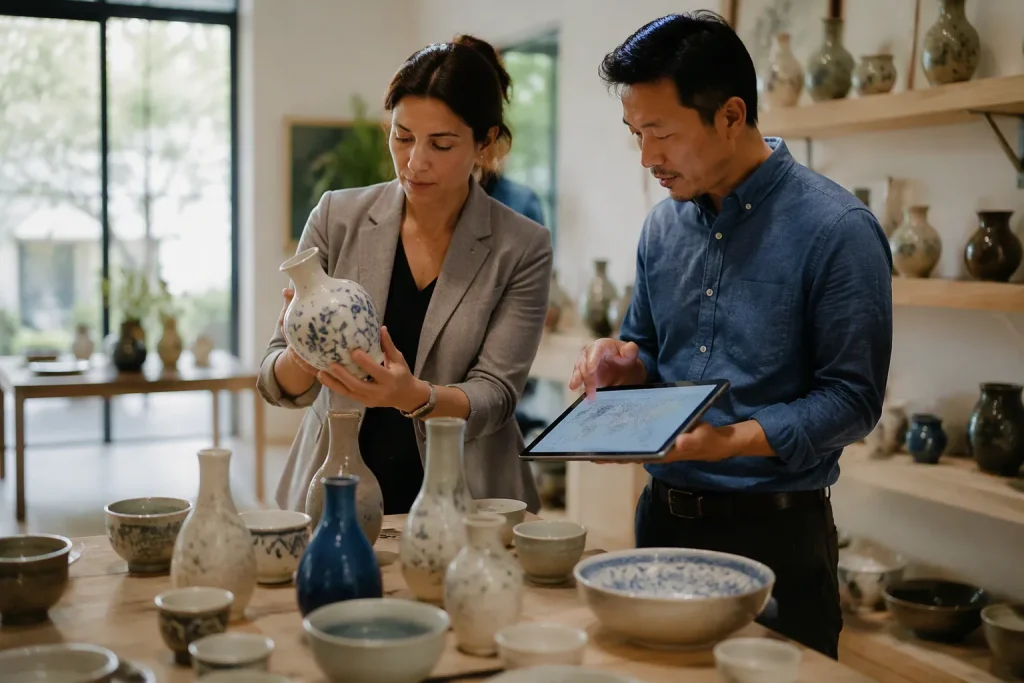
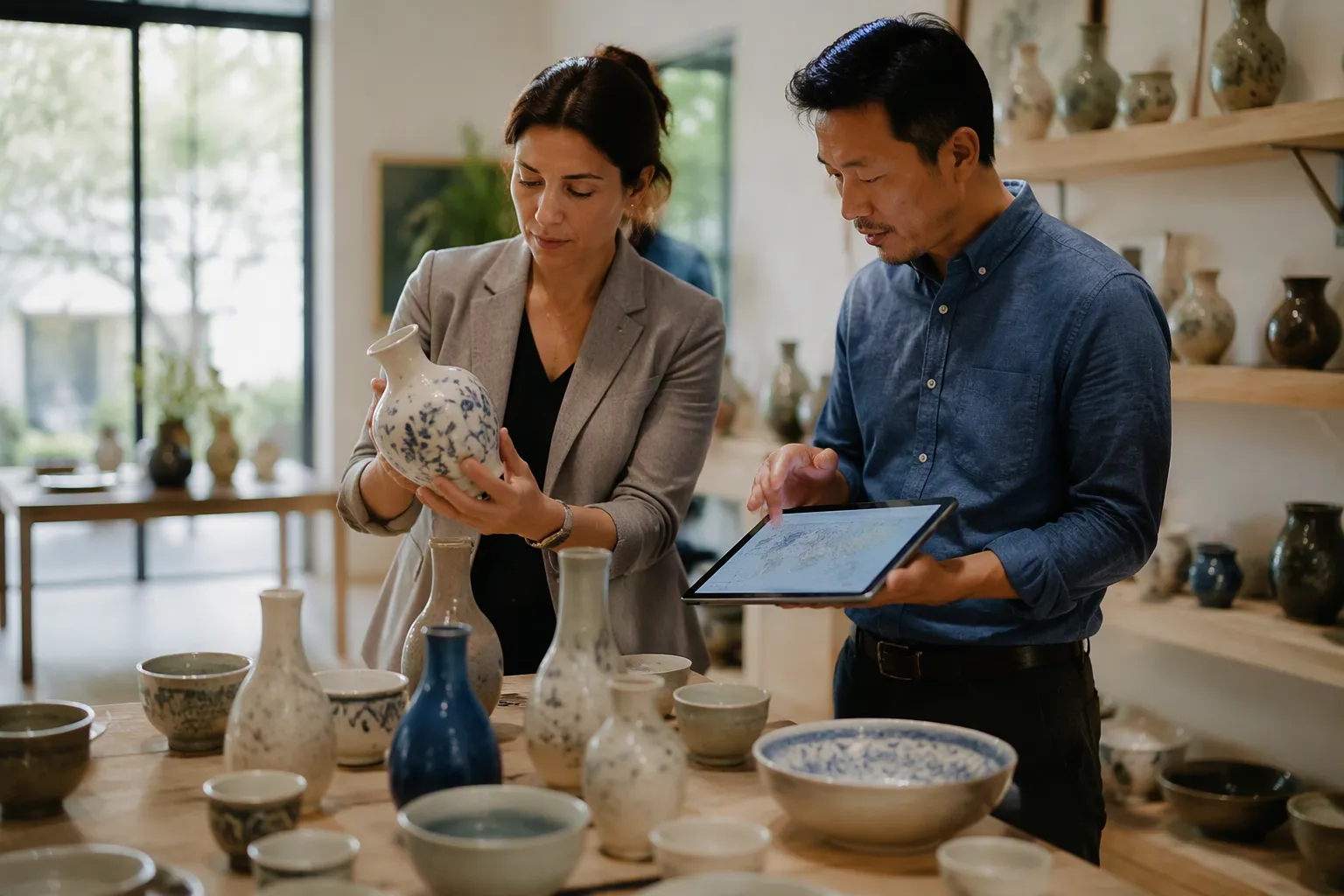
You run a boutique store. You want ceramics that sell. That’s why US boutique stores buy from Jingdezhen with CLAYE. This partnership gives real, high-quality porcelain at a lower cost. You get better customization options and fewer middlemen.
You don’t need to travel to China. You don’t need to manage tricky shipping. You don’t need to handle language barriers. CLAYE takes care of all those details for you.
The main value change is simple. You get direct access to skilled artisans. You get pieces your customers can’t find elsewhere. You get a supply chain that works for your business.
Key Takeaways
You can buy top-quality ceramics straight from Jingdezhen artisans. This removes middlemen and brings your costs down.
Buying straight from the source gives you bigger profits and real handmade items. Your customers will see the difference.
You can change patterns, glazes, shapes, and sizes. This creates a unique brand and loyal customers.
CLAYE takes care of quality checks, packing, and shipping. You do not have to go to China or deal with logistics.
Ask for samples so you can see and feel the quality. Then start your boutique collection with confidence.
Why US Boutique Stores Source Ceramics from Jingdezhen
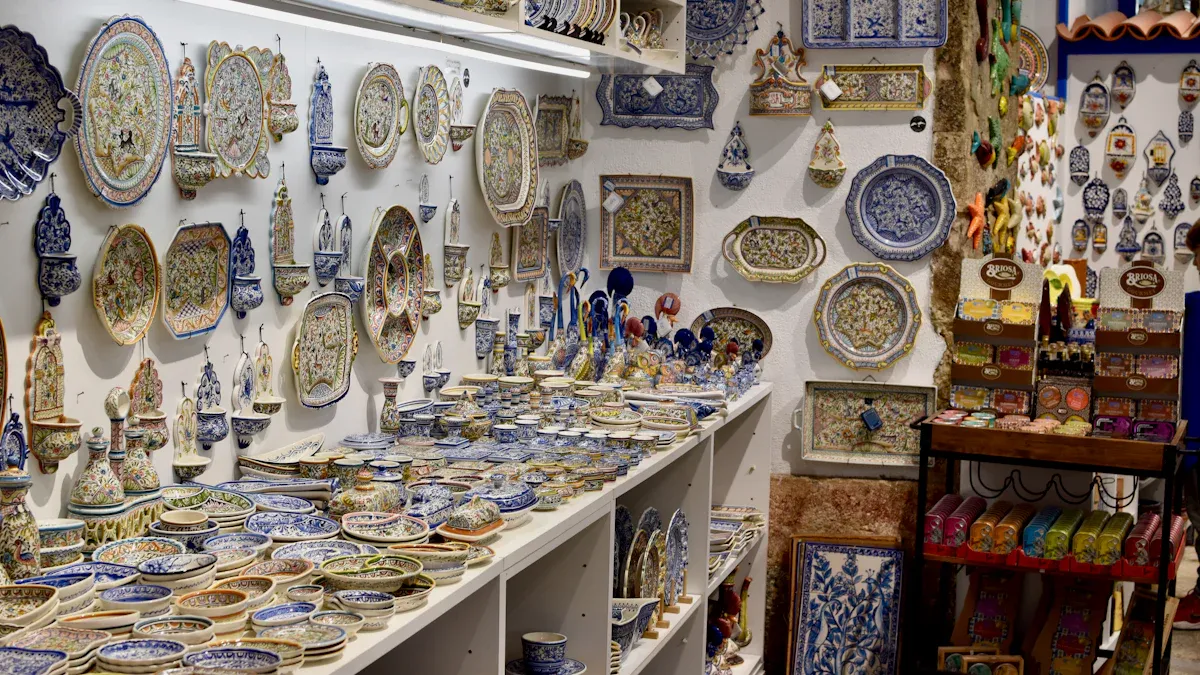
The Heritage That Sets the Ceramic Capital Apart
Jingdezhen is a special place in the world of ceramics. It is called the porcelain capital of china for good reason. Potters here have worked with porcelain clay for over a thousand years. During the Northern Song dynasty, there was plenty of white clay and pine forests. This helped craftsmen make translucent qingbai wares. In 1004, Emperor Zhenzong renamed the town Jingdezhen after his reign title. Later, Yuan dynasty potters became experts at underglaze cobalt blue decoration. This led to the famous blue-and-white porcelain. It traveled the Maritime Silk Road to Ottoman, Safavid, and European courts.
Dimension | Evidence |
|---|---|
Porcelain Capital | Centuries of porcelain heritage, unique local resources, master artisan techniques; production center from Song through Ming/Qing; blue-and-white porcelain spread via maritime Silk Road. |
Creative hub | Sculpture Factory hosts studios and creative spaces; weekly creative market; PWS has been a platform for artists since 1985 in Hong Kong and in Jingdezhen since 2005, hosting 1,000+ international residents. |
Supply-chain ecosystem | Old Factory district supplies ceramic materials, bisque, glazes, tools; Laoyatan evolved into integrated cluster with 50+ studios by 1995; Fanjiajing has hundreds of ceramic stores/workshops. |
In 2026, UNESCO put the Jingdezhen Handicraft Porcelain Industry Sites on the World Heritage List. This honor recognizes the skills, rituals, and knowledge behind the full production cycle. The city was also named one of China’s top 24 national historical and cultural cities in 1982. For boutiques, this heritage means you can get real handmade pieces with true cultural and artistic value. CLAYE works from this exact location. The brand partners with artisans who have over a decade of experience. This local origin builds trust for buyers who want genuine craft.
Why Direct Sourcing Works for Boutiques
Direct sourcing from Jingdezhen is practical, not just romantic. Sourcing agents in the city can tell workshops exactly what you need. They check every piece in person before shipping. Then they send orders straight to you. This cuts out layers of middlemen and keeps your costs lower. You gain control over quality and design. You also build a supply chain that responds to your boutique’s needs.
The city’s ecosystem supports this model. The Old Factory district supplies ceramic materials, bisque, glazes, and tools. Fanjiajing has hundreds of ceramic stores and workshops. Independent studios and artist studios cluster together. This density means you can find unique pieces without traveling. You can order small batches that match your brand. Direct sourcing gives you better margins and authentic quality. It also lets you customize patterns, glazes, shapes, and sizes. Your customers get pieces they cannot find elsewhere. That builds loyalty and sets your boutique apart.
The True Cost of Traditional Ceramics Sourcing
Middleman Markups That Shrink Margins
Every middleman in your supply chain takes a cut. A sourcing agent in Jingdezhen buys from a workshop. Then a trading company buys from that agent. Then an importer buys from the trading company. Each step adds a markup. By the time ceramics reach your boutique, the price has climbed far above the original workshop cost. You pay for layers of handling, not for better quality.
These markups directly shrink your margins. You might pay two or three times what the piece actually costs to make. That extra money does not go to the artisan. It goes to people who never touch the clay. Smart importers increasingly skip middlemen to lower costs. They work directly with workshops and studios. This approach keeps more money in your pocket and more value in your inventory.
Limited Catalogs and Slow Iteration
Traditional sourcing limits your choices. A middleman offers you a fixed catalog. You pick from what they already stock. You cannot request a new glaze or a different shape. The factory produces what sells in bulk, not what fits your boutique’s unique style. Your customers see the same pieces in every other store.
Iteration moves slowly in this model. You want to test a new design. The middleman sends your request to the workshop. Weeks pass before you see a sample. By then, the trend has moved on. You lose the chance to be first with a fresh look. Direct communication with a pottery studio changes this. You can adjust patterns, glazes, and sizes in real time. You can order small batches that match your brand. This flexibility builds a curated collection your customers cannot find elsewhere.
The Direct Sourcing Advantage for US Boutique Stores
Direct sourcing changes how your inventory makes money. You skip the layers that add no real value. You talk straight to the workshop that makes your pieces. That is why US boutique stores pick this path more and more. This old hub is still a go-to spot for real craft. A direct link gives you better materials, better skills, and a better story for your customers. The result is a simple math: higher margins, stronger quality, and a special collection your rivals cannot copy.
Better Margins and Authentic Quality
When you buy from a pottery studio, your money goes into clay and skilled work. You pay for raw materials, hand work, and firing. You skip the stacked markups that importers add. Your margins get better right away. The savings do not come from cheap production. They come from cutting out needless layers between you and the artisan.
Real Jingdezhen handmade porcelain looks different from factory output in clear ways. Artisans hand-paint their designs. They fire the pieces at temperatures over 1,300°C. Mass-produced porcelain uses lower firing temperatures and printed decals to save time and money. In a direct buy, you can ask for a simple quality test. Hold a cup to strong light. Real kaolin clay shows a warm, milky glow. Factory pieces block light or look muddy. Tap the rim. A clear, long bell-like ring tells you the material is pure and high-fired. A dull sound tells you the opposite. These differences matter to boutique shoppers who can feel craft with their hands.
Losing a certain number of pieces during firing is often seen as the price for pursuing a high level of quality in a traditional art.
Mass production picks steady output instead. That trade-off explains why your customers notice the difference. One artisan may lose a piece in the kiln. The rest of the batch arrives with a mirror-bright glaze and a balanced weight. These ceramics carry a story that a machine cannot tell.
Customization Builds a Curated Brand
Direct sourcing also gives you control over design. You can change patterns, glazes, shapes, and sizes before production starts. A pottery studio in Jingdezhen will make a small batch for you. It will not ask you to buy a full container. This freedom lets you test new ideas with low risk.
Your inventory becomes a true mirror of your brand. You choose master cups, coffee cups, ceramic mugs, or hand-painted blue-and-white porcelain tea cups. You pick the glaze that matches your storefront. You decide whether a piece should feel heavier or lighter in the hand. This control turns a normal shelf into a curated display. For specialty boutiques, this difference drives customer loyalty. Your customers find pieces they cannot see anywhere else. They come back because you offer something personal.
The full production process also adds trust. You can tell your customer how the item was made: mining kaolin, purifying the clay, press-molding on a wheel, hand-carving the pattern, glazing, and firing. That story carries real value. A printed decal copy cannot imitate it. You are no longer selling generic inventory. You are selling art that has survived the risks of the kiln.
Direct sourcing puts this advantage within reach. You gain margins, quality, and uniqueness at the same time. The next step is choosing a partner who handles the details.
How clayesouk Makes Jingdezhen Sourcing Effortless
A Local Studio Partner with Real Craft Authority
CLAYE is not a trading company. It is a working studio based in Jingdezhen. The brand sits inside the same ecosystem that has produced fine porcelain for centuries. That location matters for your boutique. You get a partner who knows the workshops, the materials, and the firing schedules firsthand.
The studio offers a focused range of handmade ceramics. You can stock master cups, coffee cups, mugs, and hand-painted blue and white porcelain tea cups. Each piece comes from artisans with over a decade of experience. They shape every cup by hand. They mix glazes from raw materials. They control the kiln temperature themselves. This hands-on process gives your inventory a level of craft that mass production cannot match.
CLAYE holds recognition as a national-level ICH productive protection demonstration base. That status reflects real standards. The studio preserves traditional techniques while meeting international quality requirements. Several of its works have even been selected as national gifts. For a boutique owner, this authority translates into confidence. You are not guessing about quality. You are buying from a studio that the Chinese government recognizes for its craft protection work.
The brand also connects to the wider creative life of the city. Artist studios and independent pottery workshops cluster nearby. This network gives CLAYE access to fresh ideas and skilled hands. Your store benefits from that creative energy. You get pieces that feel current and rooted at the same time.
Quality Checks, Logistics, and Custom Support
CLAYE handles the hard parts of international sourcing. You do not need to fly to China. You do not need to hire a separate agent. The studio manages quality checks at every stage. Staff inspect each cup for glaze flaws, shape balance, and firing defects. They pack orders with care for the long trip to the United States. Then they ship directly to your door.
Custom design is where CLAYE gives your boutique a real edge. You can request changes to patterns, glazes, shapes, and sizes. Want a matte finish instead of glossy? Need a smaller mug for espresso service? The studio adjusts the design before production begins. You can order small batches that match your brand identity. This flexibility lets you test new ideas without risking a large investment.
After-sales support rounds out the service. CLAYE provides maintenance guidance for your customers. If a quality issue ever arises, the studio offers clear solutions. You are not left alone after the sale.
Other businesses already trust this model. Boutique hotels source custom teaware and tableware from CLAYE. Premium tea suppliers order hand-painted porcelain for their retail lines. These clients value the same things you do: authentic craft, reliable quality, and a partner who understands the details. Your boutique can join that group. You get local ceramics with a story, made from local clay and porcelain clay, without the usual supply-chain headaches.
The right move is clear: buy straight from Jingdezhen because it fixes cost, quality, and custom orders in one go. You cut out middlemen and keep the extra charge for yourself, while getting real porcelain and small-batch designs. That control makes your store stand out from competitors, which is why US boutique stores pick this path for ceramics.
CLAYE makes this plan work today. You skip travel and shipping worries, and the studio checks quality, packs, and ships your order. Ask for samples before you decide, and hold the real glaze and weight in your hands. Visit clayesouk.com, request a sample, and start a boutique collection with true ceramics.
FAQ
Do I need to visit Jingdezhen to source ceramics?
No. You can order samples online. A tea & teaware sourcing trip is optional, not required. CLAYE checks quality, packs, and ships from the city. You get ceramics without leaving your store.
Can I request custom designs for small batches?
Yes. You can change patterns, glazes, shapes, and sizes. You can ask for a commercial tableware set in small batch quantities. This freedom lets you try new teaware designs with low risk. Your boutique stays unique.
What quality checks does CLAYE perform before shipping?
Workers check every piece for glaze flaws, shape balance, and firing defects. They set aside cups that would not please your customers. Orders leave the factory only after careful packing. Your stock arrives shelf-ready.
Does the studio only make cups?
No. CLAYE also makes tableware for boutique hotels and premium tea suppliers. Besides cups, you can get mugs and hand-painted porcelain. A sourcing trip to China & South Korea can widen your search. This partner handles many retail needs.
Where do the ceramics come from?
The studio is part of Jingdezhen’s historic craft network. Local porcelain shops and artisan workshops share materials and glazing knowledge. This tradition shapes every piece. CLAYE gives you direct access to that community.
