
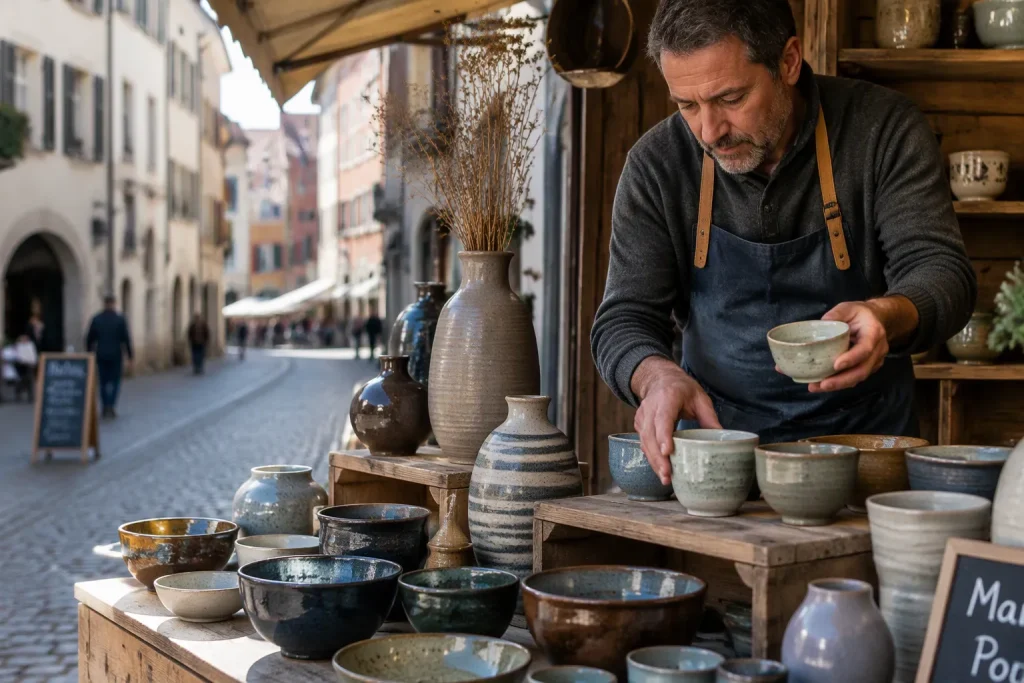
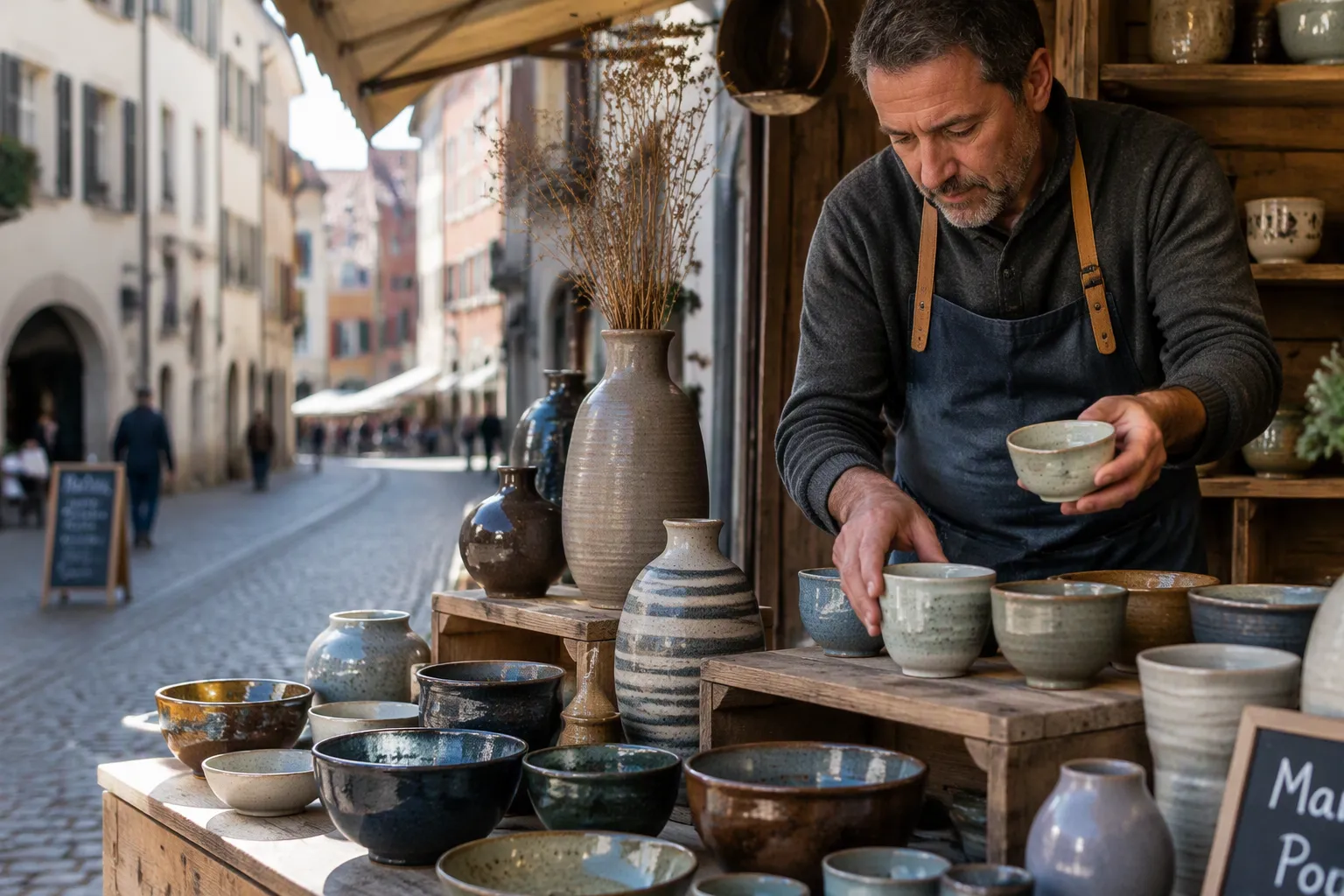
The market for handmade ceramics in Europe earns about €2–3 billion each year. Unlike the US, this market relies on many small, separate shops. Independent boutiques, studio potters, and local craft fairs do most of the selling. Cultural policies, trade shows, and shared craft trends also matter. These forces mix together to create special chances and problems for artists, sellers, and shoppers. Learning how this European market works helps people find their way through it. This ceramics industry reflects strong cultural values and local identities.
Key Takeaways
Small independent shops lead the European handmade ceramics market. They offer one-of-a-kind pieces and friendly, personal service.
Cultural rules like set book prices and craft heritage programs help small makers and keep old skills alive.
European buyers often pay more for handmade ceramics because they value quality, skill, and the story behind each piece.
At trade shows like Ambiente and Maison & Objet, small stores find new makers and order products for the next seasons.
Sustainability and online sales are growing trends that help craftspeople reach more customers and compete with bigger brands.
The European Handmade Market: Small Retailers Rule
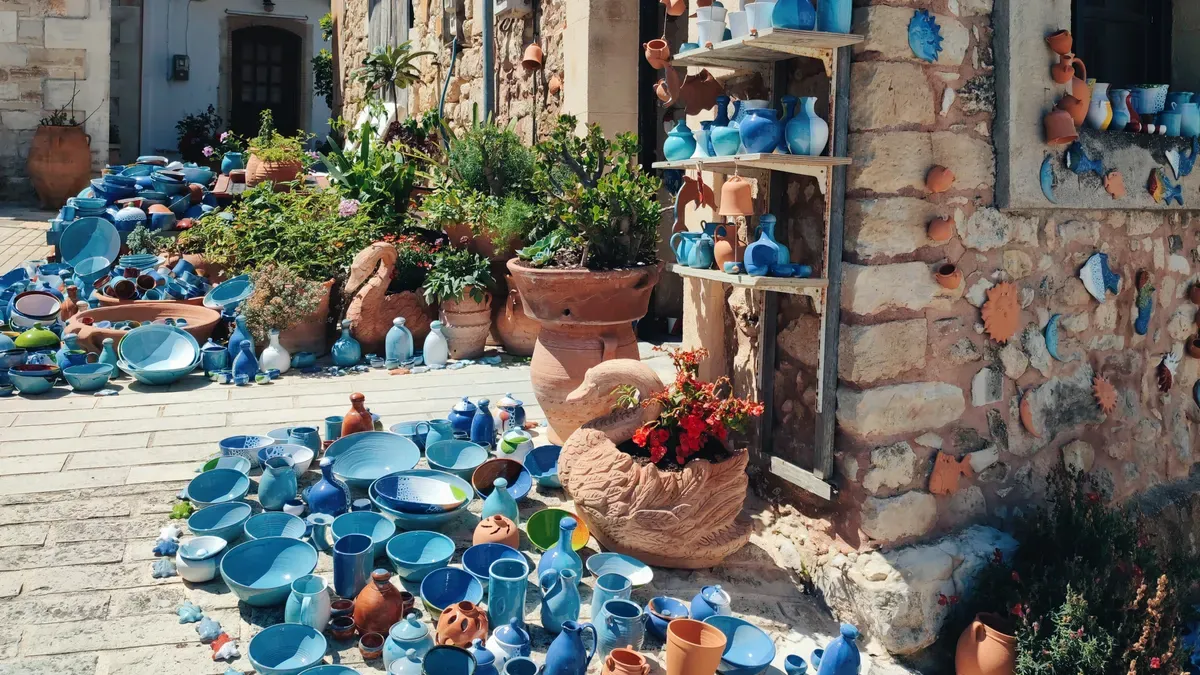
Small independent shops shape the European creative market. This setup gives the creative market in Europe a special feel. Experts often compare the market for handmade ceramics in europe with the United States. The EU creative market brings in almost as much money as its American counterpart. But one huge chain does not run the region. Instead, thousands of small shops share the retail space. This split is a key trait of the European creative market.
Why Large Ceramics Chains Are Rare
Big ceramics chains have a hard time getting a foothold. Mass-producing countries control the lower end of dinnerware. Factory lines push out plain plates and cups at very low prices. Independent shops cannot compete at that level, and they do not try. The mid-to-high end belongs to boutique owners, studio potters, and galleries. These sellers pick small collections. They show off unique glazes, imperfect surfaces, and regional heritage. European shoppers often like this personal approach. A customer in Lisbon or Berlin rarely looks for one standard brand. Instead, they visit a local atelier or a neighborhood shop. This preference shields the european market from chain-store consolidation. It also makes things hard for newcomers. An artisan must gain trust one retailer at a time. Each boutique has different tastes, budgets, and display needs. Sales depend on building relationships rather than mass distribution.
This setting favors specialist stores. It also supports a diverse pottery trade. Ceramicists who offer distinctive forms find willing partners among independent retailers. The fragmentation does not weaken the sector; it feeds its resilience. In fact, the craft market stays strong because small shops can respond quickly to changing tastes. They can test new glazes and shapes without large financial risk.
Boutiques, Studios, and clayesouk
Independent venues provide the main channels for craft sales across Europe. Boutiques, studios, and craft fairs share one goal: they connect makers directly with buyers. Local markets add another layer, especially in smaller cities. These outlets value authenticity and story. A piece from Jingdezhen carries a different message than a factory product. clayesouk, a brand based in China’s porcelain capital, shows the connection. Its cups reach European boutique store owners and home decor fans through curated retail partnerships. Boutique owners look for products with cultural depth. They choose pieces that match their shelves and tell a clear story. clayesouk offers custom ceramic design services, letting stores adjust patterns, glazes, shapes, and sizes. This flexibility helps small retailers make their inventory stand out. For home decor lovers, the appeal is personal. They buy a cup because it feels unique, not because it comes from a famous chain.
This structure rewards makers who embrace teamwork. Stores become testbeds for new glazes and forms. They provide honest customer feedback. New makers learn what sells, and established ceramicists refine their techniques. The small-retailer model, far from limiting growth, creates a lively and adaptive creative economy. Shoppers gain access to individual works of art. Retailers gain a loyal customer base. Makers gain a sustainable path to market. This model also invites experimentation. A boutique may dedicate one shelf to a newcomer’s work. That modest display often opens a longer wholesale relationship.
Cultural Policies and the State of the European Handmade Market
Government rules shape the state of the european handmade market in ways that many outsiders miss. These policies do not aim at ceramics directly. They still create conditions that help small producers and independent shops stay alive.
Fixed Book Prices and Small-Scale Art
Several European countries enforce fixed book price laws. These rules make booksellers sell books at the same price. Large chains cannot cut prices to push smaller shops out of business. Fixed book price systems remain in force in one third of European Union member states. This equals about 33% of EU members. The purpose of these laws is clear. They protect a dense network of well-stocked, high-quality bookshops from discounters who only stock bestsellers. Without fixed book prices, price competition between high-quality bookshops and discounters reduces bookshop profitability. Repealing these laws tends to displace small independent bookstores by larger chain outlets.
This logic goes beyond books. When small bookshops survive, they hold up entire retail streets. They draw foot traffic that also helps nearby craft stores and galleries. A lively bookshop next door helps a ceramics boutique bring in customers. The same cultural value that protects books also protects handmade goods. European shoppers get used to paying fair prices for quality items. They learn that cheap prices often mean poor quality. This mindset supports the market for handmade ceramics across europe. Artisans gain when consumers trust that higher prices mean better work.
Public Support for Local Craft
Public cultural funding plays a direct role in keeping local production going. Many European governments run craft heritage programs. These programs give grants, studio spaces, and training to artisans. They see that traditional skills carry cultural value beyond simple economics. A potter in Portugal or a glassblower in Italy may get public support to keep doing their craft. This funding keeps artisan livelihoods steady. It also makes sure that knowledge passes to younger generations.
Such programs strengthen the whole craft sector. When governments invest in heritage skills, they signal that handmade goods matter. This signal shapes what consumers think. Buyers see craft as part of national identity, not just a hobby. Public support also pays for apprenticeships and workshops. New makers learn techniques that might otherwise vanish. The result is a steady supply of skilled artisans who can meet retail demand.
These policies create a protective layer around small-scale production. They do not promise success for every maker. They do lower the barriers that large industrial competitors would otherwise raise. For artisans and retailers, this support means a fairer playing field. For buyers, it means access to authentic, well-made ceramics with clear cultural roots.
Makers’ Markets and Pricing in the Handmade Market
Local craft fairs give small producers a very direct path to buyers. These fairs happen in almost every European city and town. Some are weekly street markets, and others are yearly festivals. Makers set up their booths and sell their work face to face. This channel removes middlemen. Artisans keep a larger share of each sale. Shoppers meet the person who made the item. That personal connection builds trust and loyalty.
The Prevalence of Local Craft Fairs
Craft fairs are a valued sales channel all across Europe. Organizers set up these events in town squares, community halls, and converted warehouses. A potter in rural France can pack a van and sell at a weekend fair. A glass artist in Berlin can join a monthly market in a trendy neighborhood. These gatherings happen often. Some cities host craft fairs every weekend. Others run seasonal events around holidays. The frequency keeps makers busy and gives shoppers regular access to new work.
The handmade ceramics market in Europe depends heavily on these fairs. They serve as testing grounds for new designs. A maker brings ten cups to a fair and sees which ones sell. Customer reactions guide the next batch. This feedback loop helps artisans refine their craft. It also keeps prices realistic. Makers learn what buyers will pay for a certain style or a certain size.
Fairs also really build community among makers. Artists share booth space, swap tips, and refer customers to each other. A Berlin ceramicist might send a buyer to a friend who makes textiles. That kind of cooperation strengthens the local craft scene. It also creates a network that supports new entrants. A young potter can learn from established makers at the next table.
Berlin has a very strong fair culture. The city hosts dozens of markets each and every year. These events draw both locals and tourists. A visitor might buy a handmade mug as a souvenir. That purchase supports a local artisan and spreads the word about European craft. The cycle repeats in city after city. Each fair adds another layer to the handmade goods economy.
European vs. US Pricing Perceptions
Prices show a different story in Europe and the US. In Europe, shoppers often connect higher prices with better quality. They see an expensive ceramic cup as a sign of skill. The price shows hours of work and years of training. It also carries cultural meaning. A cup from a traditional pottery area has heritage value. Buyers know this and pay for it.
American shoppers tend to focus on discounts. They look for sales and compare prices online. A higher price tag often raises suspicion instead of trust. This difference shapes how makers set prices in each market. A European artisan can charge regular prices for pottery and keep customers. An American maker faces pressure to cut prices or offer deals.
The European view creates a healthier market for artisans. Makers earn enough to keep working. They do not need to rush production or cut corners. This supports the higher-priced, high-quality segment of the market. Consumers get durable goods with clear origins. Makers get fair pay for their time. The relationship benefits both market sides.
This pricing idea also changes what shops stock on shelves. A boutique owner in Berlin knows customers will pay more for a unique piece. That trust lets the owner take risks on new makers. The shop can order a small batch and see how it sells. If the work sells, the owner orders more. If not, the shop tries another artist. This trial-and-error approach keeps the market fresh.
European shoppers value the story behind a piece too. They want to know where it came from and who made it. A higher price signals that story has value. It says the maker spent time on details. It says the materials are good. It says the craft tradition continues. Shoppers pay for that meaning, not just the object.
The contrast with the US market is clear. American buyers often look for the lowest price. European buyers often look for the best story. This difference does not make one market better than the other. It means makers must adapt. A ceramicist selling in both regions needs two plans. In Europe, the maker can emphasize heritage and skill. In the US, the maker might highlight value and utility.
For Europe, this pricing view is a strength. It protects small producers from a race to the bottom. It keeps craft alive as a real career. It also gives consumers access to work that lasts. A well-made cup can be used for decades. That long life justifies the cost. Buyers understand this equation. They pay more upfront and gain more over time.
This pattern shapes the entire handmade ceramics market in Europe. Prices stay stable because demand stays steady. Makers do not flood the market with cheap goods. Shops do not compete on price alone. Instead, they compete on selection and story. That competition raises the overall quality of what reaches the shelf. Buyers win. Makers win. The craft tradition keeps going.
Trade Shows and Independent Retail in the Handmade Market
Key Regional and International Events
Trade shows guide the retail market for handmade ceramics. They also affect the craft industry. Every season, makers and buyers travel across Europe. They meet to see new work and place orders. Ambiente in Frankfurt is the largest consumer goods fair. It runs Feb 7–11 in 2025. The fair covers dining, household goods, and gifts. It also has a strong tableware section. Maison & Objet in Paris holds two shows each year. The winter show usually opens Jan 16–20. The fall show follows Sep 4–8. These events draw homeware buyers who follow trends.
Here is a table of major events for ceramics and homeware.
Trade Show | Location | 2025 Dates | Relevance |
|---|---|---|---|
Ambiente | Frankfurt | Feb 7–11 | Largest consumer goods fair; strong for tableware and retail sourcing |
Maison & Objet – Winter | Paris | Jan 16–20 (est.) | High-end designer tableware; trend-focused |
Maison & Objet – Fall | Paris | Sep 4–8 (est.) | Holiday tableware trends; order placement |
HOST Milano | Milan | Oct (TBC) | Hospitality tableware; design and function |
This list helps retailers plan their orders for the year.
Why Small Retailers Rely on Them
Independent shops rely on trade shows to find new makers and build ties. The size of these fairs pulls in large crowds. In 2020, Ambiente had over 4,500 exhibitors and about 136,000 visitors. In September 2022, Maison & Objet had over 3,000 exhibitors and up to 80,000 buyers. A boutique owner can compare many ceramicists in one day. That quick process works better than spending weeks visiting studios.
These fairs are key dates on Europe’s retail calendar. Retailers look at new glazes, shapes, and color stories. They place orders for the next seasons. They also build trust with makers through face-to-face talks. A retailer can ask about materials and production time. A maker can explain the craft behind each piece. This exchange leads to long-term sales relationships.
These fairs create sales right away. They also let buyers compare products from different countries. Small shops get the same chances as big stores. This pattern makes the European market stronger. Every time a maker meets a buyer, the market gains fresh energy. It also helps new ceramicists grow beyond their local craft fair.
Craft Trends Shaping the European Handmade Market
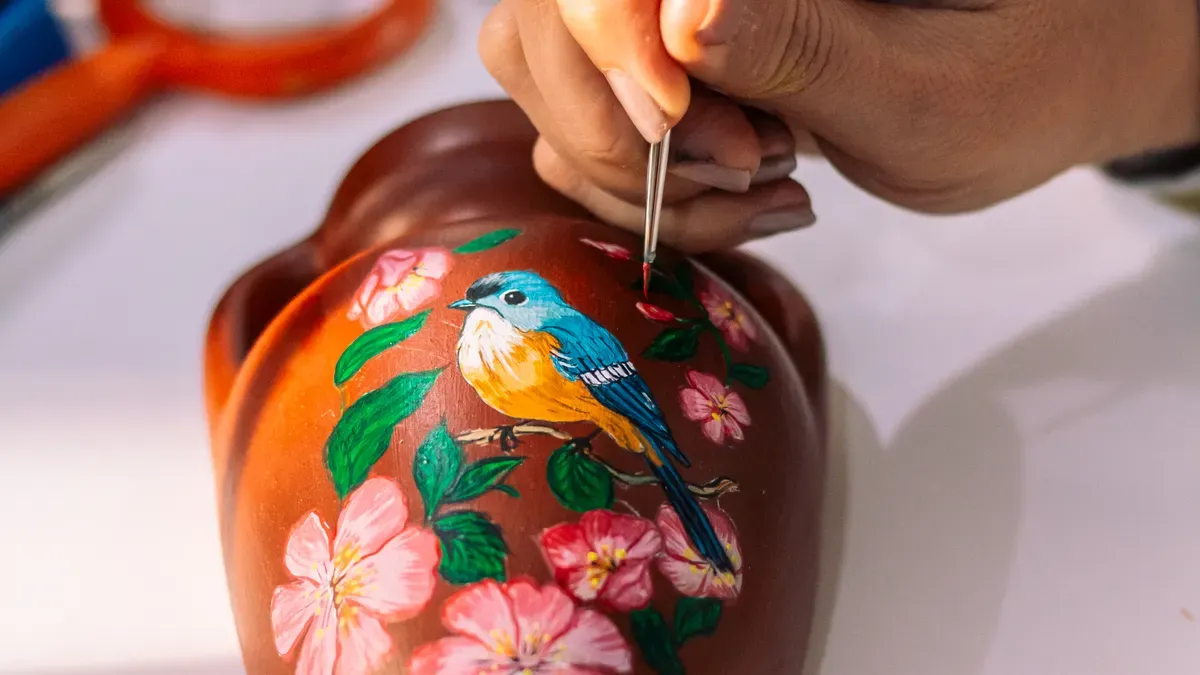
Sustainability, slow making, and craftsmanship push the mature, design-focused European pottery ceramics market. Buyers care about how each piece is made. They ask about clay sources, firing methods, and studio waste. A slow process signals quality. It also matches the cultural values that shape the market for handmade ceramics in Europe. Makers who follow these values find loyal customers.
Sustainability and Slow Making
Many European buyers see handmade objects as a cure for mass production. They want items that last for years. A potter who fires one small batch uses less energy than a factory that runs all day. That story appeals to shoppers. They view slow making as proof of care. The craft turns into part of the product’s value.
This trend changes what stores stock. A boutique owner in Copenhagen may say no to a cheap import. Instead, she chooses a local maker who uses recycled clay. The shop tells that story on its label. Customers pay more because they trust the process. Slow making also builds strength. A maker who controls each step can shift with new tastes. That flexibility keeps the pottery markets alive.
Digital Discovery and Online Sales
Online sales are becoming more important in this market. Shoppers find new makers through social media and craft blogs. A ceramicist in rural Spain can reach buyers in Paris or Stockholm. Digital discovery removes distance as a barrier. It also lets small studios compete with bigger brands.
clayesouk offers custom ceramic design services for people who want a personal look. A boutique owner can request specific glazes, shapes, or patterns. This service helps shops stand out. Online sales also help makers test new designs without a physical store. They post a photo, check interest, and make a small batch. That feedback loop makes the European craft sector stronger. Digital tools do not replace fairs or trade shows. They add one more way to grow. Together, these trends keep the market lively and connected.
Small independent shops, cultural protections, lively makers’ markets, and key trade shows shape the market for handmade ceramics in europe. These features give the market a feel that is different from the US. Artisans earn fair pay for their skill. Retailers build loyal customers by giving personal service. Fans find real work with clear stories. This craft tradition rewards patience and connection. The european approach keeps prices steady and quality high. Makers who use slow production and digital discovery will do well. The craft sector shows real strength. Its identity keeps changing with each new generation of artisans and buyers. This living tradition will keep inspiring people.
FAQ
How big is the European handmade ceramics market?
The market makes about €2–3 billion every year. Small independent shops do most of this business. The setup is different from the US, where bigger chains have a larger role. Independent boutiques, studio potters, and local craft fairs carry the European market.
Why do small retailers dominate this market?
Mass-producing countries control the low end of ceramic dinnerware. Independent shops serve the mid-to-high end instead. They offer special glazes, local heritage, and friendly service. European shoppers often like this way more than one standard brand. This liking protects the market from chain-store consolidation.
How do cultural policies help artisans?
Several European countries enforce fixed book price laws. These rules stop large chains from underpricing small shops. Public craft heritage programs also give grants, studio spaces, and training to artisans. This support keeps local production alive and protects artisan livelihoods.
Why do European buyers pay more for handmade ceramics?
European shoppers often link higher prices with better quality. They see a costly cup as a sign of skill and heritage. American buyers tend to look for discounts instead. This gap lets European artisans earn fair pay without cutting corners.
Which trade shows matter for ceramics retailers?
Ambiente in Frankfurt is the largest consumer goods fair. Maison & Objet in Paris holds two shows each year. HOST Milano covers hospitality tableware. Independent retailers go to these events to find new makers, compare products, and place orders for coming seasons.
How does clayesouk serve European buyers?
clayesouk reaches European boutique owners and home decor fans through curated retail partnerships. The brand offers custom ceramic design services. Stores can adjust patterns, glazes, shapes, and sizes. This flexibility helps small retailers make their inventory stand out.
