
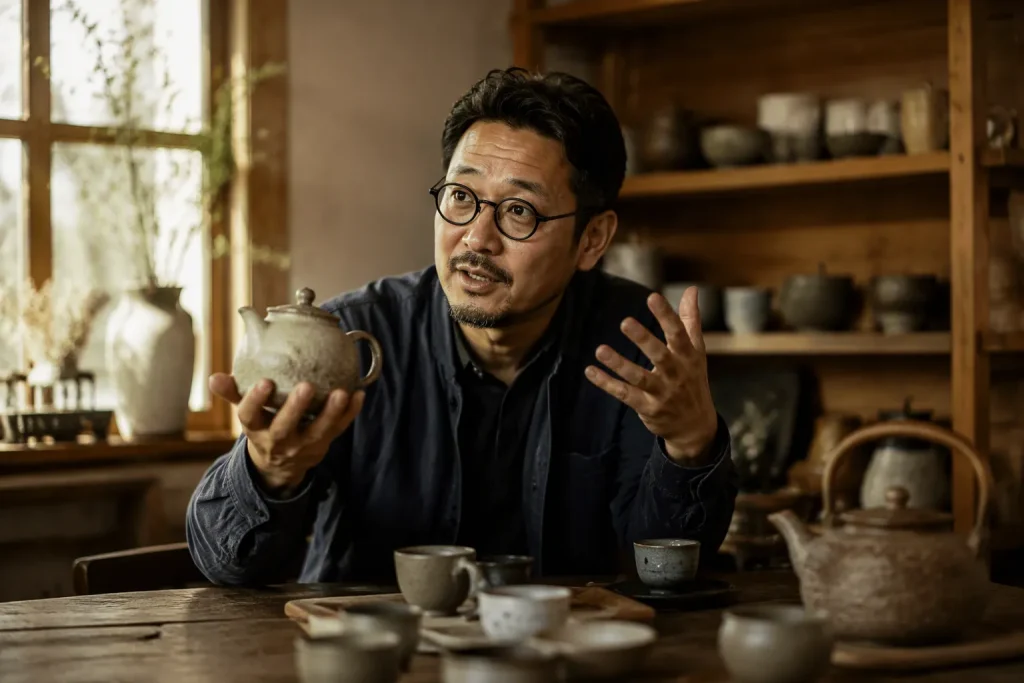
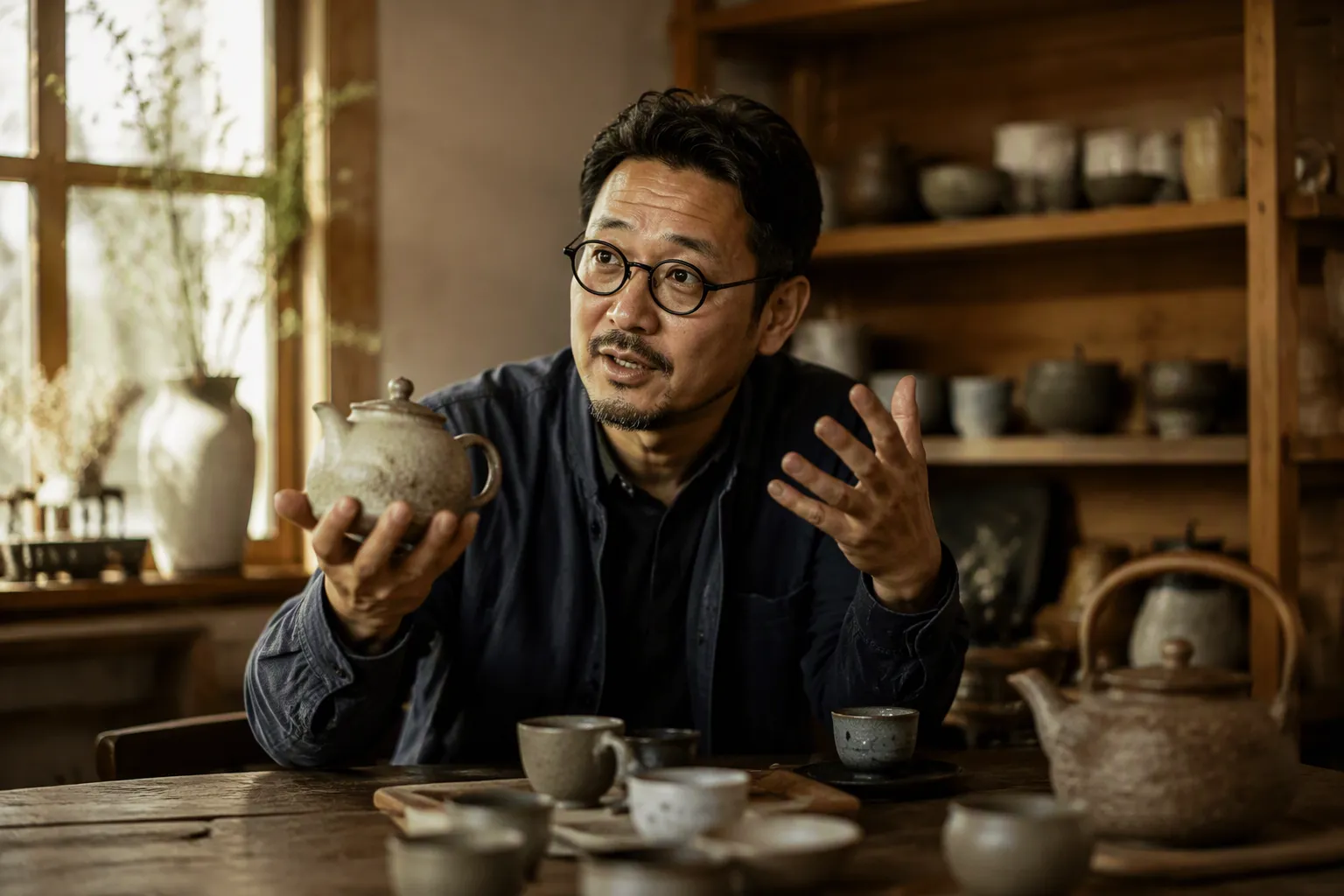
Use ceramic storytelling to turn every teapot, cup, and saucer into a memorable character with its own story. This emotional hook draws curious new customers into your tea house, keeps them staying longer, and brings them back again. Choose story-rich ceramics, set them up for guest participation, and share those stories everywhere. Imagine a guest turning a cup in their hands, noticing a thumbprint in the clay, and asking, “Who made this?” That moment turns a simple tea into an experience they will remember.
Key Takeaways
Ceramic storytelling turns teapots and cups into unforgettable characters. Each piece tells the story of its maker and its history. Guests feel a deeper connection to their tea.
Ceramics with a story behind them create emotional value. A handmade cup makes tea taste richer. Guests are happy to pay higher prices for experiences they will remember.
Use origin cards and tea pairings. Match each clay to the perfect tea. Adopt-a-Cup and tasting flights make sipping a discovery.
Start small with one story cup. Learn its history and tell it to guests. The story makes customers curious and loyal.
Post guest photos online and keep track of repeat visits. This helps your tea house grow without spending a lot on ads. Each story cup turns into a place people want to visit.
What Is Ceramic Storytelling
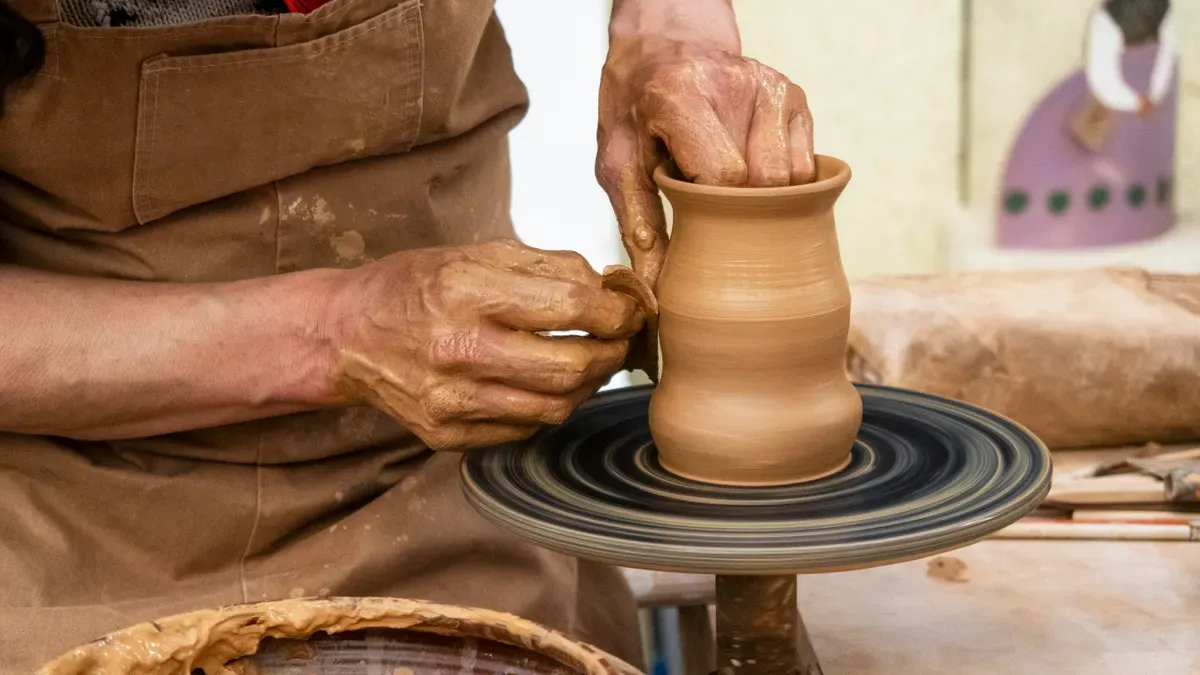
Every cup on your table can tell a story. You look at the material, the maker, the glaze, the shape, and where it came from. Each pot and cup becomes a character with its own past.
Defining the Narrative
The clay itself begins the story. Warm buff stoneware, bright white porcelain, earthy red-brown terracotta, or speckled iron-bearing clay — each one shows the raw material under the glaze. The glaze holds the most information. Minerals, oxides, and fluxes react to firing heat and air. A celadon pools from pale to deep. A tenmoku breaks to amber over edges. A Shino shifts across the surface. Form speaks through shape and balance. A mug’s width tells you how it feels in your hand. A bowl’s depth tells you what it is for. A fine foot and rim show the maker’s care.
Firing marks matter too. Throwing rings, finger marks, handle-pull marks, and ash spots prove a human hand shaped the piece. These marks justify the handmade price. Show them off, never hide them. Each mark is a signature from the maker. They turn a thumbprint into a question: “Who made this?” That question opens the door to a deeper bond.
Claye’s Role in the Story
CLAYE makes this simple. The brand works from Jingdezhen, the Porcelain Capital of the World. This city has been a center of ceramic arts for almost 2,000 years. Top-quality kaolin clay drew the nation’s most skilled craftsmen. They created new techniques and shipped porcelain around the world. This heritage runs deep.
CLAYE’s artisans bring expert skill. Each handmade cup becomes a real work of art. You hold a piece of true tea culture in your hands. Their methods use handmade details and firing techniques as story starters. A slight unevenness, a glaze change, a wadding spot — each one links your drink to centuries of craft. You serve tea in a CLAYE vessel. You share more than a drink. You share a living tradition. Every tea becomes a small ceremony. Guests remember the ritual and the tea long after they leave.
Why It Attracts Tea House Customers
An authentic chinese tea house creates a mood before the first sip. The light, the scent, and the tableware all speak. That is why ceramic storytelling matters so much here. Unique handmade teapots and cups shape a guest’s first impression. They tell visitors this is not a quick coffee stop. It is a place with depth.
Emotional Connection and Premium Value
When you pour tea into a handmade cup, you give the drink a past. The glaze, the throwing marks, and the slight wobble in the rim all point to a person. Guests feel that presence and slow down. That feeling makes the tea taste richer. It also changes what they are willing to pay. You are not selling hot water. You are selling a memory.
Visitors want a quality experience, not just a drink. They can tell friends about it later. The shift from drink to story justifies premium prices. A cup of tea feels worth more when it arrives on a vessel with heritage. The small flaws in the clay become proof of authenticity. They do not lower the value in a guest’s eyes. They raise it.
Instagram Moments and Guest Rituals
Visual storytelling can attract customers without a single ad. A guest photographs an unusual cup before drinking. They post it, and their followers see your atmosphere in one frame. Those posts bring curious people through your door. They come because they saw a cup they wanted to hold.
Turn that interest into a ritual. Ask each guest to choose their cup for the day. Invite them to find the maker’s mark on the bottom. This small moment lets you build relationships with your customers. They feel ownership of the piece. They return to visit their favorite cup again. Dwell time grows, and loyalty follows.
You are no longer just serving drinks. You are sharing tea culture in every pour, and that experience keeps people coming back.
Clayesouk Ceramic Storytelling Techniques
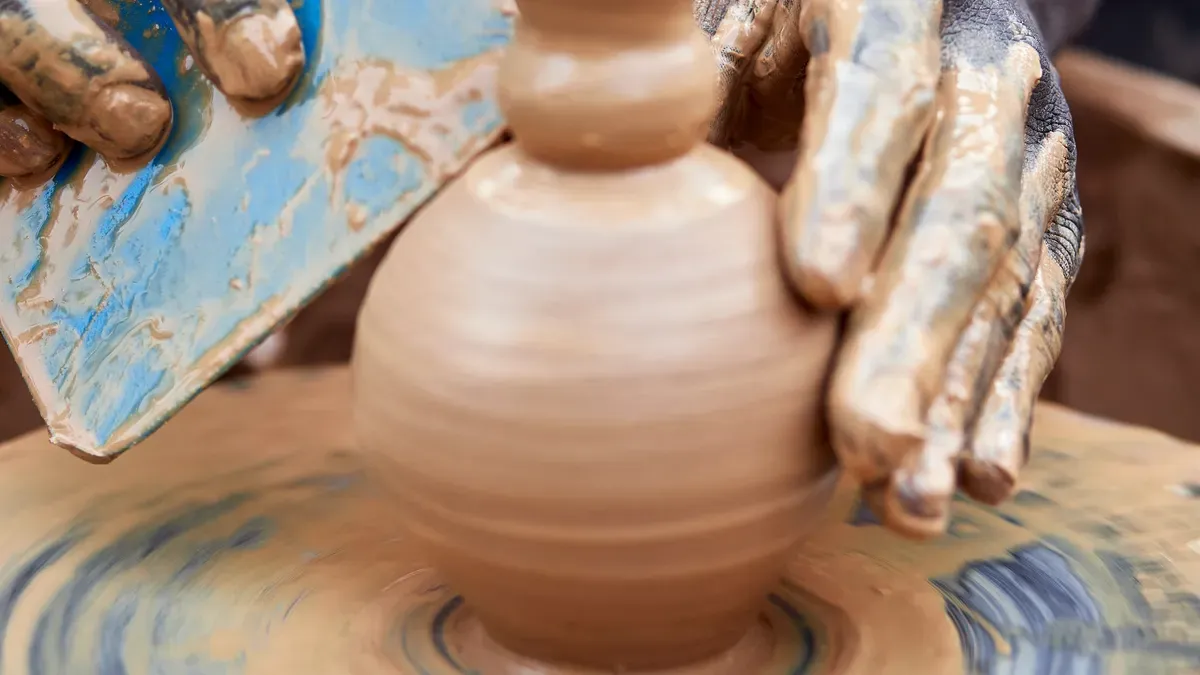
You now understand why ceramic storytelling works. Here is how to put it into practice. These techniques turn your tea house into a living tea tasting studio. Each one is simple to start and builds on the last.
Origin Cards and Tea Pairings
Create an origin card for every vessel you use. Write down the clay source, the maker’s name, the kiln type, the glaze recipe, and what the piece means. Place these cards on the table. You can also add a QR tag under each cup. Guests scan it and read the full story on their phone. This small step turns a simple sip into a learning moment.
Match your ceramic pieces to tea origins. This deepens the tea tasting for every guest. Use the right clay for the right leaf. Here is a quick guide:
Tea Type | Recommended Clay or Teaware | Notes |
|---|---|---|
Japanese Green Tea | Unglazed Tokoname or Banko kyusu | Traditional Japanese pairing; works beautifully |
Taiwanese Oolong | ZiSha Yixing teapots or porcelain | Allows tightly rolled leaves room to expand |
Yancha (Rock Oolong) | Thick-walled teapots | Porous unglazed teaware mutes fire-y notes and rounds flavors |
Aged White Tea | Yixing clay (thick-walled, heat-retaining) | Heightens fallen leaf and sweet soy milk tones |
Chinese Black Tea | Thick-walled heat-retaining teapots and gaiwan | Retains heat for higher brewing temperature |
Hei Cha and Ripe Pu-erh | Porous teapots | Absorbs overpowering notes and brings flavors together |
Raw Pu-erh (young) | Medium porosity, thin-walled teapot | Avoids trapping heat or oversteeping |
Raw Pu-erh (aged) | More heat-retaining teapot | Suitable for higher age count |
This table gives your staff a clear reference. It also gives guests a reason to try new teas. They want to taste how different clays change the same leaf.
Adopt-a-Cup and Tasting Flights
Launch an Adopt-a-Cup program. Let customers choose a handmade cup from your shelf. They register it under their name. Each time they return with that cup, they get a small refill discount. This builds loyalty fast. Guests feel a personal bond with their cup. They come back to visit it.
Offer a ceramic tasting flight next. Serve the same tea in several cups. Each cup has a different story. One might be Yixing clay. Another could be unglazed Tokoname kyusu. Another might be local stoneware. Guests taste how the clay changes the experience. This is the heart of tea tasting. It turns a drink into a discovery.
Host a pinch-pot and pour workshop. Customers make their own cup with guidance. They return later to drink tea from their finished piece. This creates a powerful memory. It also brings new faces into your tasting studio.
Rotate seasonal limited-edition pieces. Tie them to tea harvests, festivals, or local legends. These pieces give regulars a reason to return. They also create urgency. Guests know the piece will not last.
Work with local ceramicists on custom designs. You can adjust patterns, glazes, shapes, and sizes for your tea house. Their handmade pedigree adds weight to every story you tell. Your tea tastings become richer. Your customers feel the difference. They share their stories with friends. Your reach grows with every cup.
Quick-Start for Your Tea House
Start small.
Five Low-Cost Steps
Audit your teaware. Examine every cup and pot. Look for throwing rings, glaze variations, and maker marks. Ask what story each piece can tell.
Source story-rich pieces next. Walk into artist-run shops and buy directly from the makers. Ask about clay and technique. Crimson Lotus Tea built its collection this way in Jian Shui. Artists carved poems and nature themes into the clay. Local clay came from nearby mountains. Discounts carry cosmetic flaws but brew safely.
Train your staff. Teach them one short story during every tea service. Where the cup came from, who made it, what the glaze does. This becomes stories about your passion for tea.
Add QR tags and story menus. Put an origin card on each table. Attach a QR code under each cup. Let customers scan and read the full tale. Allow guests to request a specific story cup.
Photograph guests holding their chosen cups. Share them online. Each post advertises your tasting studio for free. Your tasting studio becomes a destination.
Measuring Impact
Track the numbers that matter. Watch social tags, hashtags, and repeat visit rates. A guest returning to drink from an adopted cup is a win. Review your average order value. Most tea house owners see the number climb.
Watch workshop signups closely. Each workshop session brings new faces into your tea tasting studio. Notice how often customers ask about the pieces. Record metrics weekly. Compare your numbers to other tea tasting studios in your area.
You need one cup with one story. Let your owner’s flair for storytelling carry the rest. Offer a tea tasting flight regularly. Pair different teas with different clays. Invite guests to a tea tasting ritual. A chinese tea house thrives on atmosphere. Your studio atmosphere will feel warmer. Your guests will linger longer. Each tea tasting becomes a small ceremony. Regulars tell friends about the experience. Soon your tasting studio gains a loyal following. Track which stories get the most questions.
This approach works because it sells an experience, not just a tea. You do not need a big budget or a perfect brand campaign to make it happen. A single handmade cup with a real story can change how guests feel about their drink. You can start small and grow from there. Pick one cup, learn its story, and share it with your next guest. That small step builds curiosity and keeps people coming back. Your tea house becomes a place with real heart. Start with one cup story this week and let Claye ceramic storytelling techniques do the rest.
FAQ
Do I need expensive ceramics to start?
No. You can begin with a few handmade cups that carry a real story. Local potters often sell affordable pieces with unique character. The story matters more than the price tag. Start small and let your collection grow over time.
How do I train staff to tell ceramic stories?
Keep it simple. Ask each staff member to learn one short story about a single cup. They can share where it came from, who made it, and what makes it special. Practice during slow hours. Soon they will tell these stories naturally during every tea service.
What if customers do not ask about the cups?
Give them a reason to ask. Place a small card beside each cup with the maker’s name and origin. Add a QR code for a longer story. Invite guests to pick their own cup before you pour. Curiosity follows quickly when you create the opening.
How often should I rotate ceramic pieces?
Change your seasonal pieces with each tea harvest or festival. This gives regulars a fresh reason to return. Keep your core collection stable so guests can adopt favorite cups. A good tea tasting studio balances novelty with familiar comfort.
Can I use ceramic storytelling for online sales?
Absolutely. Photograph each piece with its origin card. Write the maker’s story in your product description. Share short videos of the glazing or firing process. Customers who connect with the story online will visit your tea house to experience it in person.
