
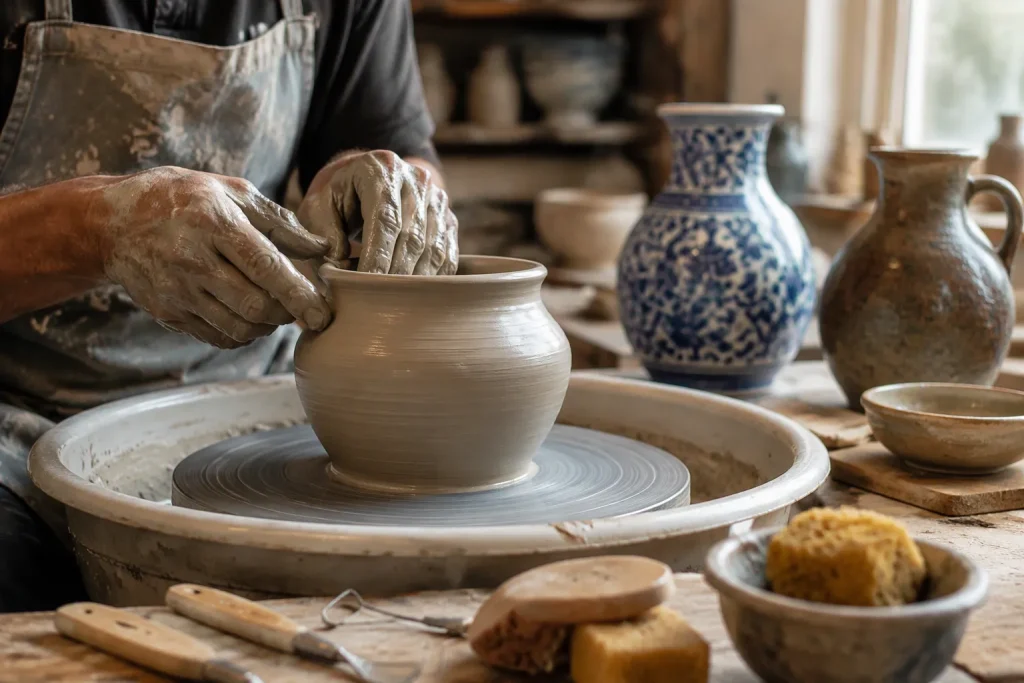
You open a box from clayesouk. Inside sits a porcelain cup from Jingdezhen, China. Its surface glows with hand-painted blue-and-white porcelain patterns. This moment captures a living bridge between Jingdezhen ceramics inspired studio pottery and your own creative work. For decades, western potters have looked to this city as a source of inspiration. Its ceramic traditions and blue-and-white porcelain shaped British studio work through materials, techniques, and design. Yet this exchange raises hard questions. Where does admiration end and appropriation begin? You will explore the technical exchange, aesthetic reinterpretation, ethical debates, and personal transformations. Each thread shows how ceramic artists and western potters connect through clay.
Key Takeaways
Use Jingdezhen porcelain materials and high-fire methods to make pure, see-through white ceramics that last long.
Turn classic blue-and-white patterns from Jingdezhen into new, personal designs for local tastes and modern forms.
Create fair trade by hosting Jingdezhen artisans, taking custom orders, and giving them direct help.
Let a handmade clayesouk cup change your practice and connect you to hundreds of years of living craft.
Jingdezhen Heritage and the UK Studio Pottery Exchange
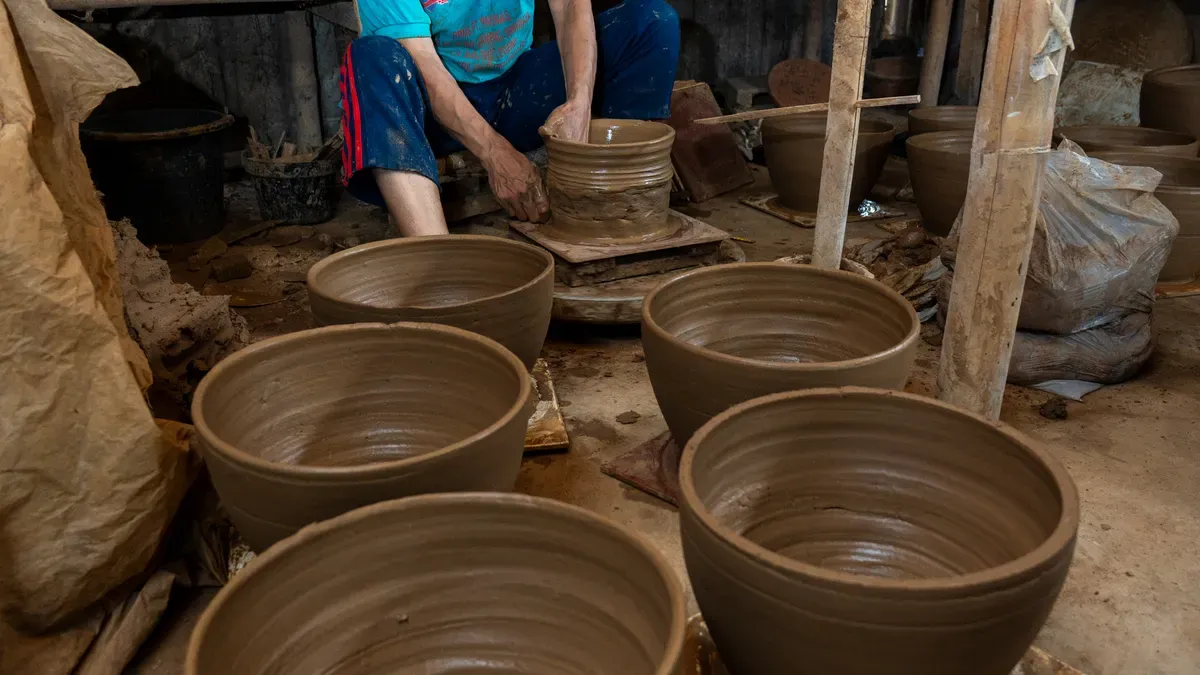
Jingdezhen has a special role in the story of jingdezhen ceramics inspired studio pottery. For over 1,700 years, artisans in this city have worked to perfect the art of making porcelain. In July 2026, UNESCO named Jingdezhen’s porcelain-making heritage a World Heritage site. That honor proved what potters already knew. Jingdezhen sets the highest standard for porcelain and ceramic culture anywhere in the world. You can see this legacy in every piece that comes out of the kilns today.
Porcelain Materials and Firing Methods
The materials from Jingdezhen changed how western potters made their ceramics. Local kaolin and pottery stone produce a body that fires to a pure, see-through white. UK potters once struggled to obtain this quality with local clays. When potters learned the formulas behind jingdezhen porcelain, everything shifted. High-fire kiln knowledge traveled right along with these materials. Jingdezhen potters fire at high temperatures that push clay and glaze to their limits. This process creates a strength and finish that cooler firings cannot match. When you hold a well-made ceramic cup, you benefit from this knowledge. The weight feels different, and the surface feels smoother. These qualities come from centuries of testing and refinement inside jingdezhen’s ceramic culture.
The city also groups production by district. One area focuses on underglaze painting. Another makes porcelain flowers. This system lets each workshop perfect a single skill. As a result, few places can match this level of craftsmanship. clayesouk is part of this living tradition. As a brand based in Jingdezhen, clayesouk brings jingdezhen heritage forward with handmade ceramic cups and custom design services.
The Pottery Workshop and Artist Residencies
The Pottery Workshop, known as PWS, opened doors for western potters to experience Jingdezhen up close. This residency program invites artists from around the world to work beside local masters. You can find local glazes, colors, and techniques hard to get elsewhere. Western potters who join these residencies often describe the experience as life-changing. They learn to paint with cobalt under a clear glaze. They watch a master shape a porcelain flower petal by petal. Their new skills return home with them to their studios.
The exchange flows both ways. Jingdezhen artists also learn from western potters who bring fresh ideas about form and function. This sharing makes the whole global ceramic community stronger. The techniques you learn from jingdezhen heritage do not just stay in China. They travel, evolve, and inspire new creative work in studios across the UK and beyond.
The history of Chinese ceramic art goes back thousands of years. Jingdezhen stands at the center of that history. When you pick a piece from clayesouk, you connect to a long line of makers. Each ceramics piece carries the weight of China’s porcelain traditions. Each pottery item tells a story of exchange between different cultures. The ceramic traditions of Jingdezhen continue to guide what potters make today. By bringing these works into your home, you become part of that story.
Blue-and-White Porcelain Aesthetics in British Studios
Motif Reinterpretation and Local Forms
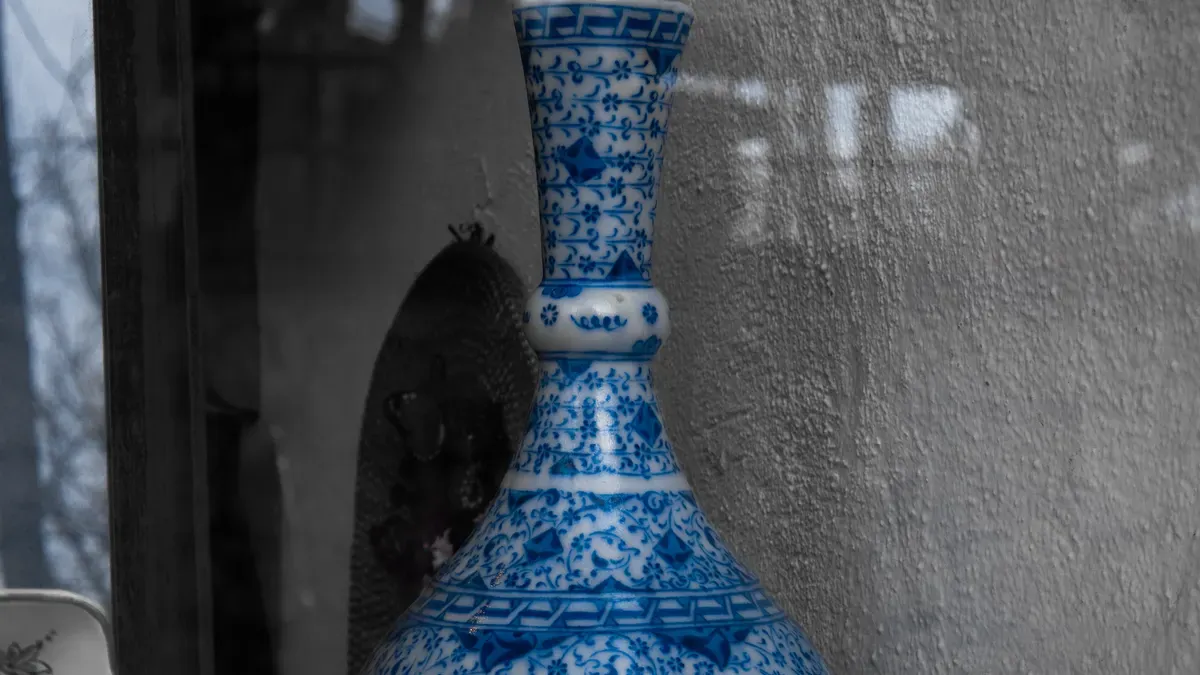
Blue-and-white porcelain from Jingdezhen reached Britain hundreds of years ago. Its effect on jingdezhen ceramics inspired studio pottery is still easy to see today. Western potters looked at these blue-and-white motifs and felt inspired right away. They did not just copy what they saw. Instead, they changed these blue-and-white designs to match local tastes and shapes.
You can follow this change in many British studios. A potter might take a classic dragon pattern from Jingdezhen porcelain and put it on a simple mug. Another might shrink a busy landscape scene down to a few smooth lines. These choices show what contemporary western ceramic design values. Western potters want their work to feel personal and meaningful. They borrow from the blue-and-white porcelain tradition without losing their own voice.
The results are all different. Some western potters keep the original blue-and-white porcelain look the same. They honor the source with careful brushwork and traditional methods. Others go further. They mix cobalt blue with local clay bodies. They try new shapes that feel clearly British. This mix creates something fresh. The blue and white porcelain heritage stays alive through these new interpretations.
clayesouk shows this balance clearly. Their Hand-Painted Blue and White Porcelain Tea Cups show how traditional methods meet modern style. Each cup carries hand-painted blue-and-white motifs applied with care. The artisan uses cobalt pigment under a clear glaze. The finished piece feels both old and new. You can hold one of these cups and feel the long history behind it. At the same time, the design works on a modern table. This is how blue and white porcelain grows without losing its soul.
Glaze Innovation with Oriental Aesthetics
Glaze chemistry plays a big part in this exchange. Western potters who study Jingdezhen methods learn to change glaze recipes. They want the deep, bright blue that defines classic blue-and-white porcelain. Getting this look takes specific firing conditions. Jingdezhen potters fire at high temperatures in reduction atmospheres. Western potters often adapt these methods to their own kilns.
The learning curve is steep. You need patience to match the surface quality of Jingdezhen work. Many western potters spend years testing glazes. They adjust mineral content and firing schedules. Each successful test brings them closer to the blue and white porcelain finish they admire.
clayesouk blends handcrafted textures with Oriental aesthetics in ways that improve daily life. Their ceramic cups bring warmth to a morning routine. The same pieces add character to retail spaces. A boutique hotel might place them in guest rooms. A tea shop might display them on open shelves. The handmade quality stands out in these settings. No two pieces look exactly alike. This variation is part of the appeal.
The ceramic surface carries small marks from the maker’s hand. You can see where a brush paused or where glaze pooled a little. These details connect you to the process. They remind you that a person shaped this object. The blue-and-white porcelain aesthetic does not demand perfection. It celebrates the human touch.
For contemporary western potters, this approach offers freedom. You can explore blue-and-white motifs without strict rules. You can invent new patterns that speak to your own experience. The ceramic tradition from Jingdezhen gives you a foundation. What you build on that foundation is yours.
Jingdezhen Traditions and Ethical Exchange
As jingdezhen ceramics inspired studio pottery grows in UK studios, you face a real question. Does using Jingdezhen heritage without permission take value or create it? Mass-made copies make your answer harder. You see porcelain with blue-and-white porcelain patterns everywhere. Few pieces show the hands of true makers. This confusion feeds authenticity debates.
Commercialization and Authenticity Debates
Commercialization turns rich patterns into decoration. Western potters see this danger daily. Cheap copies erase the meaning of jingdezhen’s ceramic culture. Western potters learn to read a real piece. They study the clay, glaze, and brushwork. Genuine jingdezhen craftsmanship appears in every detail. Western potters who respect the source give credit. They do not pretend they invented the style.
This choice shapes your practice. You can copy motifs without context. Or you can study the techniques that create them. Western potters who travel to the city of Jingdezhen build real relationships. They support local artisans. They pay for knowledge. That exchange becomes collaboration, not appropriation. Western potters can order custom work from studios there.
Respectful Collaboration over Appropriation
Respectful collaboration starts with acknowledgment. Name your teachers. Give credit to authentic jingdezhen traditions. Support the community that creates them. clayesouk is a Jingdezhen-based brand. The brand preserves traditional ceramic craftsmanship. It works as a national-level ICH productive protection demonstration base. That status protects living heritage.
clayesouk also proves value through national gifts. Several works were selected for state honors. That achievement confirms strong cultural value and reliable quality. When you buy a ceramic cup from clayesouk, you receive real blue and white porcelain. You get a porcelain piece that carries history. You also support local artisans directly. Their custom service lets you adjust patterns, glazes, shapes, and sizes. You collaborate with skilled methods. Western potters find this model fair. It honors the source culture while welcoming new ceramic ideas. That balance keeps traditional craft alive.
Potters Changed by Jingdezhen Ceramics Inspired Studio Pottery
First Meetings Through clayesouk
Many western potters say one cup changed everything for them. A UK studio potter once ordered a hand-painted porcelain cup from clayesouk. She thought she was just buying something nice for her shelf. Instead, that cup became her new teacher. The brushwork on the blue-and-white surface showed her how much control a painter can have. She started studying jingdezhen ceramics inspired studio pottery in a whole new way. That first cup made her rethink her own glazes and forms.
Other western potters tell the same kind of story. A ceramic artist in Bristol bought a handmade ceramic cup and felt the weight of jingdezhen heritage in his hand. He had read about jingdezhen for years. But holding a real piece made the history feel real. He began testing cobalt washes on his own pots. He also started giving credit to the Chinese techniques that shaped his work.
Lasting Changes in Practice and Perspective
These stories seldom stop after one purchase. Western potters who work with jingdezhen traditions through clayesouk often change their whole practice. clayesouk’s custom ceramic design services let you adjust patterns, glazes, shapes, and sizes. You can ask for a motif that fits your studio style. You can try out a glaze direction before placing a big order. This freedom helps artists explore their own ideas. One potter used the service to create a cup line for a boutique hotel. Another built a teaching collection around custom porcelain samples.
The human touch is behind much of this change. Every handmade ceramics from jingdezhen piece has small marks from the maker. You can see where a brush lifted or where glaze pooled. These details remind you that a real person shaped the object. That warmth moves from the Jingdezhen workshop into your studio and your home. Western potters who feel this bond often share it with others. They teach their students about ceramic history. They bring inspiration from jingdezhen to their communities. The pottery they make becomes richer because of it.
Jingdezhen made a lasting impact on UK studio pottery. Its materials, motifs, and methods spread around the world through clayesouk. Western potters who study jingdezhen traditions improve their skills and vision. You can see this growth in every handmade ceramic cup. Ethical engagement makes the difference. Credit, collaboration, and respect turn exchange into something enriching. Western potters who honor jingdezhen sources build real relationships. clayesouk keeps this work going. The brand connects jingdezhen craftsmanship with global lovers of fine living. Each porcelain piece carries history and warmth. You become part of that story when you bring one home. Jingdezhen traditions will keep inspiring makers everywhere.
FAQ
What makes Jingdezhen porcelain different from other ceramics?
Jingdezhen has rare kaolin and pottery stone. Local artisans fire these materials at very high temperatures. This creates a pure white body that is very strong. The city’s 1,700-year history of jingdezhen craftsmanship gives makers deep knowledge. You get a piece that holds both beauty and durability.
How does clayesouk support traditional jingdezhen methods?
clayesouk works as a national-level ICH productive protection demonstration base. The brand keeps traditional techniques alive through handmade ceramic cups and custom design services. Artisans with over ten years of experience shape each piece. When you buy from clayesouk, you support jingdezhen artisans directly. Several works became national gifts, proving reliable quality.
Can western potters learn from jingdezhen traditions without copying?
Yes. Western potters can study jingdezhen techniques and give proper credit. The Pottery Workshop offers residencies where artists learn local glazes and methods. You can adapt these skills into your own voice. Respectful exchange means naming your teachers and supporting the source community.
What custom options does clayesouk offer for ceramic design?
clayesouk provides custom ceramic design services. You can adjust patterns, glazes, shapes, and sizes to fit your needs. This flexibility helps western potters explore new ideas before committing to large orders. A boutique hotel or tea shop can request pieces that match their brand.
Why does handmade quality matter in jingdezhen ceramics?
Every handmade piece carries small marks from the maker’s hand. You can see where a brush paused or glaze pooled. These details connect you to a real person and a long history. Jingdezhen ceramics bring warmth to daily life. That human touch transforms a simple cup into art.
