A recent Sotheby’s auction showed Western collectors bidding hard on contemporary Chinese ceramics. The appeal comes from a special mix: old Jingdezhen craftsmanship meets bold modern style. This blend feels both real and connected to the world. Why now? New artistic ideas, changing collector groups, and fresh digital access push this trend. Western collectors rediscovering this art form find pieces that speak a shared visual language while honoring deep tradition. The current market offers special chances.
Key Takeaways
Today’s Chinese ceramics mix old Jingdezhen skills with modern style, making special pieces that Western collectors find appealing.
Chinese buyers at home create demand around the world, giving the market a strong base and drawing attention from other countries.
Online sites link collectors straight to artists, so it is easy to buy real pieces and build trust.
Auction results show that prices for contemporary Chinese ceramics are going up. This signals a strong chance for investment.
Buyers should check that items are real and come from a trusted source. They can use certificates and reliable sellers to avoid problems like fakes and damage during shipping.
Western Collectors Rediscovering The Artistic Appeal
Tradition Meets Innovation In Jingdezhen
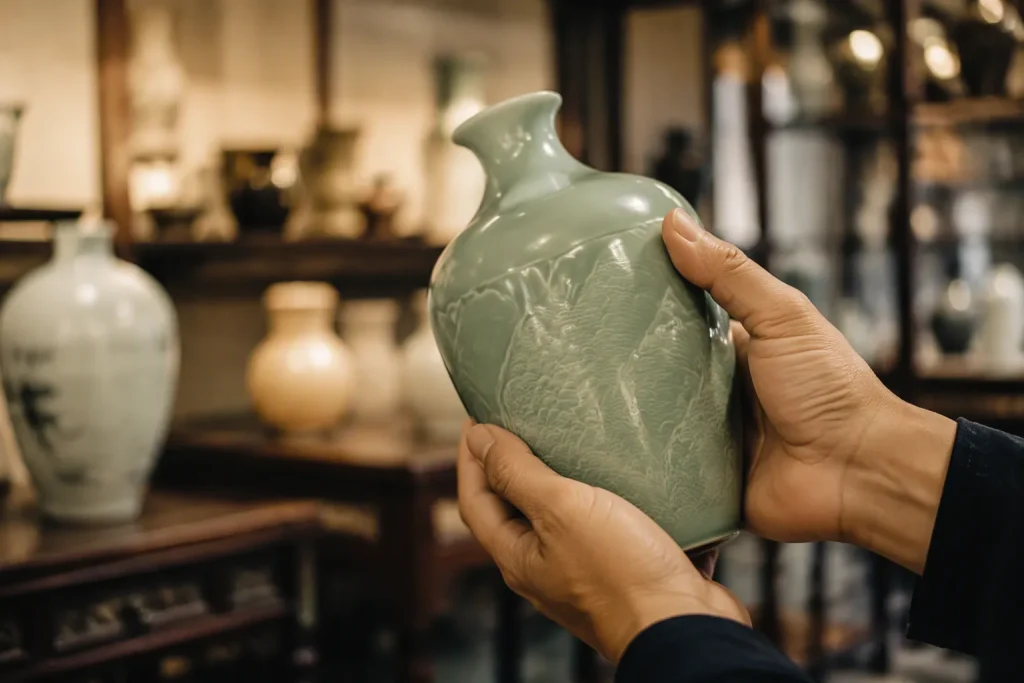
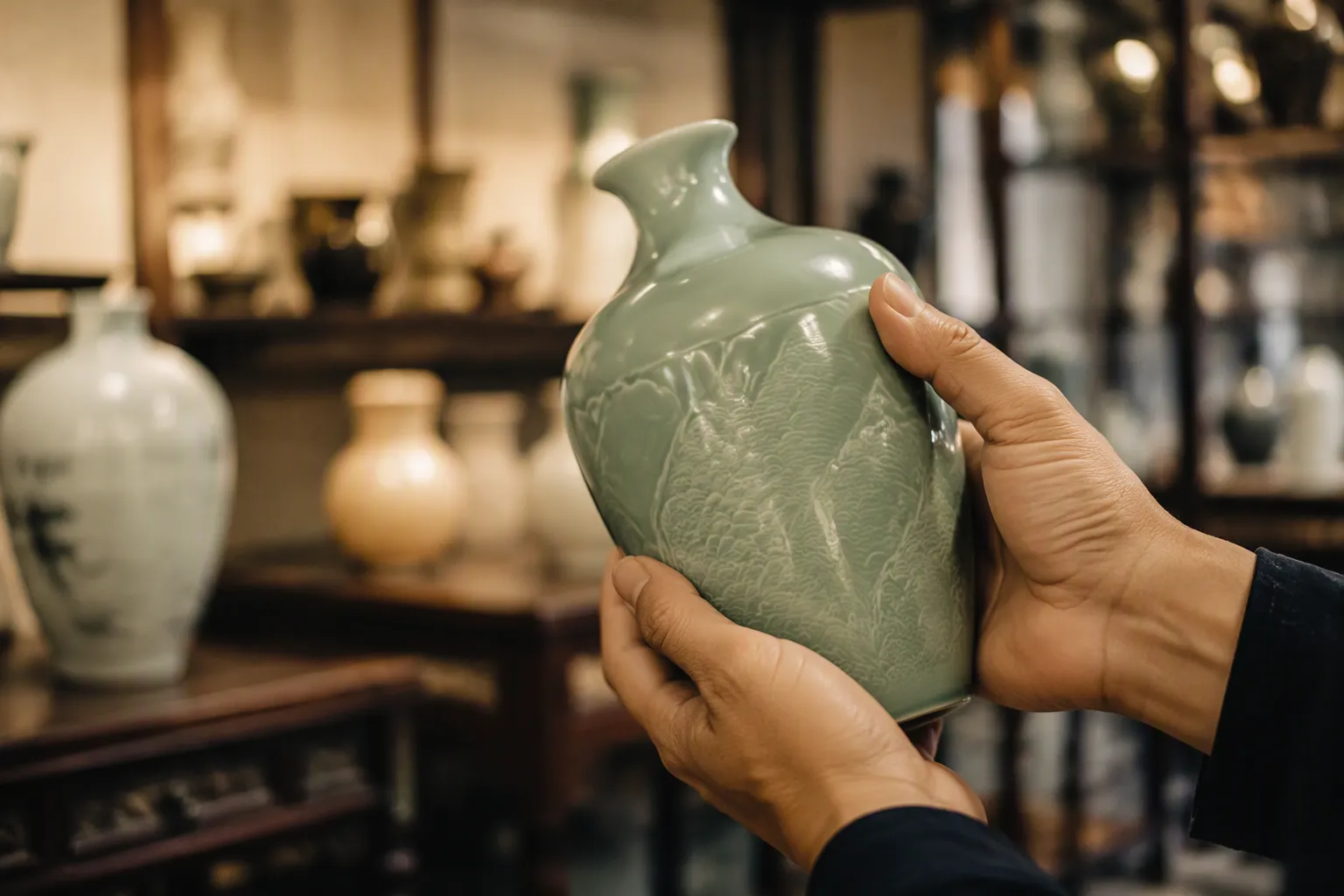
Jingdezhen has made porcelain for over 1,700 years. Artists there today mix that deep heritage with modern shapes, new glazes, and personal expression. This blend makes their work feel fresh and rooted at the same time. A teapot may have a classic outline, but its surface shows abstract brushwork or a matte finish no Ming potter ever used. Western collectors rediscovering this energy find pieces that speak to both history and the present moment.
Taste in the West changed after World War II. Buyers then wanted Yuan and early Ming blue and white. Those pieces set the ideal collection of Chinese porcelain for a generation. Today, the same instinct pulls eyes toward living artists. These makers rework old palettes and shapes with a freedom that historical pieces cannot offer. The lasting appeal of Chinese porcelain now includes the studio, not just the tomb or the palace.
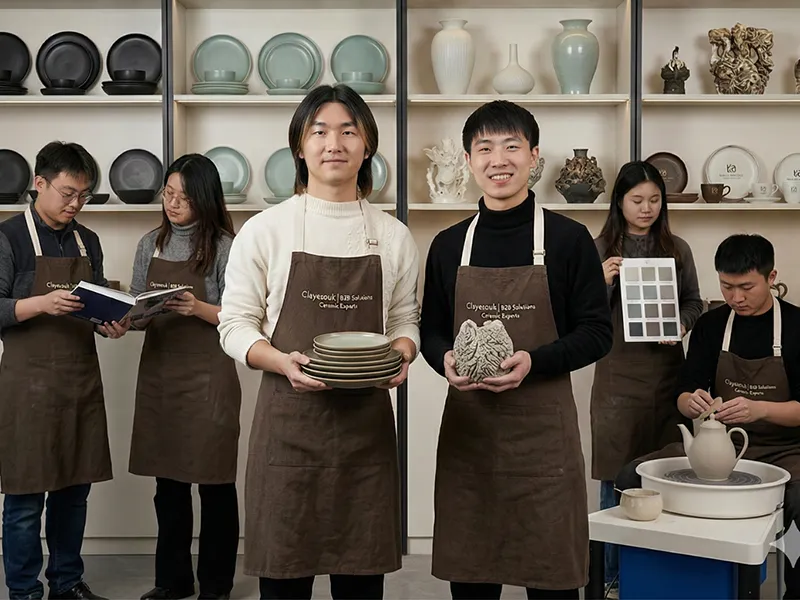
CLAYE shows how this works in real life. The brand sits in Jingdezhen, where porcelain production in Jingdezhen has shaped local life for centuries. Its artisans bring over ten years of experience to every piece. They make handmade ceramic cups that carry the weight of history and the warmth of human touch. Each cup is a small work of art, not a factory product. This approach gives collectors a direct link to porcelain production in Jingdezhen and to the hands that shaped it.
A Global Visual Language
Contemporary Chinese ceramics speak a visual language that crosses borders. A collector in New York or London can read the shape of a cup without knowing its cultural backstory. The glaze, the line, and the proportion carry meaning on their own. This openness drives the fascination with Chinese porcelain among new buyers. They do not need a degree in Asian art to feel the pull of a well-made piece.
The global reach of these works also comes from how artists mix references. A Jingdezhen maker may quote Song dynasty celadon in one series and street art in the next. That range keeps the work alive. Western collectors rediscovering the field often start with one cup and then build larger collections. They add pieces that reflect their own taste, not just a market trend.
CLAYE serves this global audience well. The brand creates handmade ceramic cups for European and American home decor fans, premium gift buyers, and ceramic collectors. Its products fit a modern table while honoring old techniques. This balance explains why contemporary Chinese porcelain finds homes in so many different settings. The appeal is not exotic. It is personal, useful, and beautiful.
The story of Chinese porcelain keeps changing. Jingdezhen remains the center of porcelain production, and its artists keep pushing forward. Western collectors who pay attention now will find a rich, living tradition. They will also find pieces that feel at home in any collection, old or new.
How Collectors Drive The Chinese Ceramics Market
Buyers in China have changed the world market for modern ceramics. Their growing interest made more people notice works from Jingdezhen and other places. Western buyers now see a market with strong Chinese roots and rising demand from around the world.
The Rise Of Chinese Domestic Collectors
A new group of Chinese buyers has changed the ceramics market. These buyers have money, pride in their culture, and a love for modern art. They buy works by living artists from the porcelain capital. This demand from Chinese buyers gives prices and attention a strong base. International buyers pay attention when the Chinese market has such local support.
The rise of Chinese buyers shows a change in the industry. The main focus for Chinese porcelain now includes buyers in China alongside traditional Western markets. These Chinese buyers value both tradition and new ideas. They push artists to try new things while honoring old ways. The result is a lively market for Chinese porcelain that catches world attention. Western buyers find a setting where porcelain gets respect at home and abroad.
Digital Access And Global Demand
Digital platforms connect buyers right to studio kilns. Social media shows how pieces are made. Buyers can buy Chinese porcelain without leaving home. This access changes everything. A collector in Paris can watch a glaze test in real time. They can message an artist about a custom piece. The distance gets smaller.
Brands like CLAYE benefit from this change. They serve European and American home decor lovers, premium gift buyers, and ceramic fans. Their handmade cups travel from Jingdezhen to tables all over the world. Digital access makes this possible. It also builds trust. Buyers see the hands that shape each handcrafted piece. They understand the process. This openness appeals to buyers who value real things. The world demand for Chinese porcelain grows because of this direct link. Western collectors finding this market again get a direct path to Chinese porcelain and build collections that show their own taste.
Rediscovering Chinese Ceramics As An Investment
Auction houses now report strong results for contemporary Chinese ceramics. Prices for works by Jingdezhen artists have gone up in recent years. This trend catches the eye of buyers who see both beauty and value. The market signals confidence. They do not promise returns. They show that collectors trust the quality and cultural weight of these pieces.
Auction Results And Price Trends
Major auction houses in Hong Kong, London, and New York now put contemporary Chinese porcelain in their sales. These lots bring in competitive bidding. Prices for living artists from Jingdezhen have risen little by little. Ten years ago, few Western buyers knew these names. Today, their works show up next to historical pieces. The shift shows growing respect for modern makers.
Several things drive this trend. First, supply stays limited. Each artist makes only a small number of pieces each year. Second, demand grows from buyers in China and the West. Third, the cultural value of Chinese porcelain adds lasting appeal. Buyers see these works as part of a long tradition. That connection gives them confidence.
CLAYE gives a clear example of quality signals in this market. The brand is recognized as a national-level ICH productive protection demonstration base. Several of its works were chosen as national gifts. These honors show official trust in the brand’s craftsmanship. They also signal cultural value beyond simple market price. For collectors, this kind of recognition matters. It confirms that a piece carries weight in Chinese ceramic heritage.
The market for Chinese ceramics keeps maturing. Auction results reflect this growth. They show that contemporary works can stand beside older pieces. They also show that buyers value authenticity and skill. These signals encourage new collectors to enter the field.
Case Studies Of Breakout Artists
Individual artists from Jingdezhen have built strong followings. Their careers show how contemporary Chinese porcelain gains value. One artist may start with small studio sales. Then a gallery picks up the work. Next, an auction house includes a piece. Each step raises visibility. Prices follow.
These breakout artists share common traits. They master traditional techniques. They also push into new forms. A blue and white vase may carry an abstract pattern. A celadon cup may have an unusual shape. This mix of old and new attracts buyers. It also keeps the work fresh.
Western collectors watch these careers with interest. They see artists who honor Chinese porcelain traditions while speaking a modern language. This combination builds lasting appeal. It also supports stable prices. The market rewards skill and originality.
CLAYE fits this pattern. Its artisans bring over a decade of experience to each handmade cup. The brand serves collectors who want both tradition and modern design. Its products show how Chinese ceramics can feel rooted and current at once. This balance explains why the brand finds buyers in Europe and America.
The investment case for Chinese porcelain rests on these signals. Auction results show rising prices. Artist careers show growing recognition. Brand honors show cultural value. Together, they paint a picture of a market with strong foundations. Collectors who pay attention will find chances to build meaningful collections.
Authenticity, Provenance, And Chinese Export Porcelain
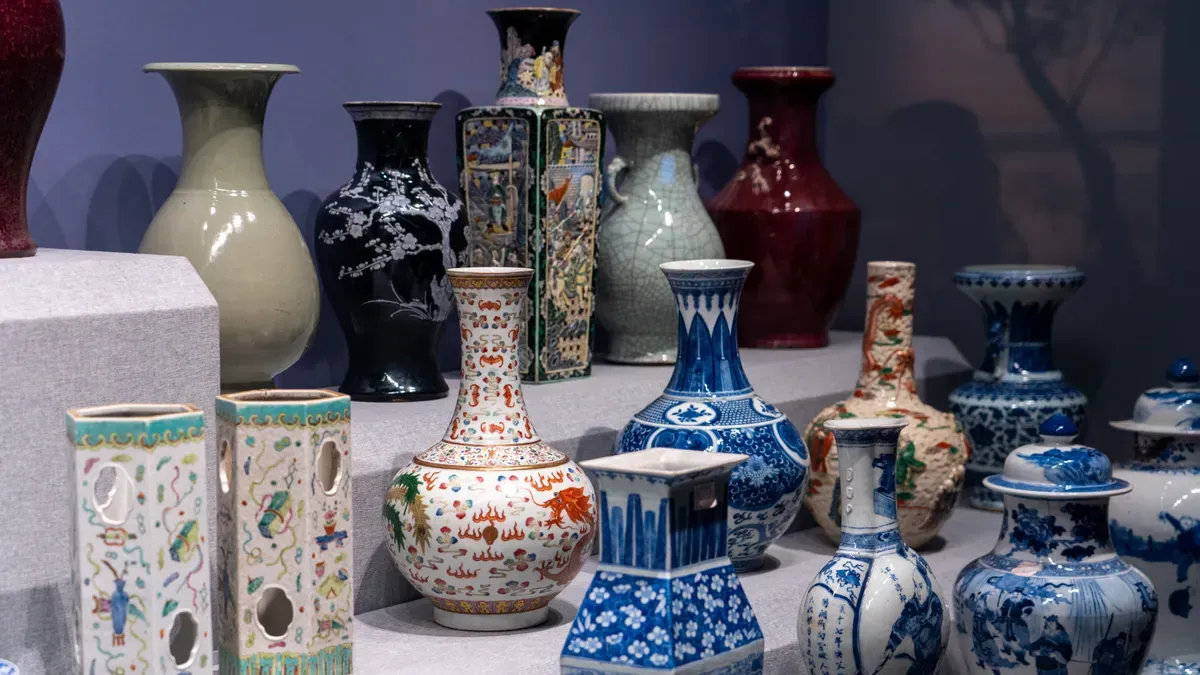
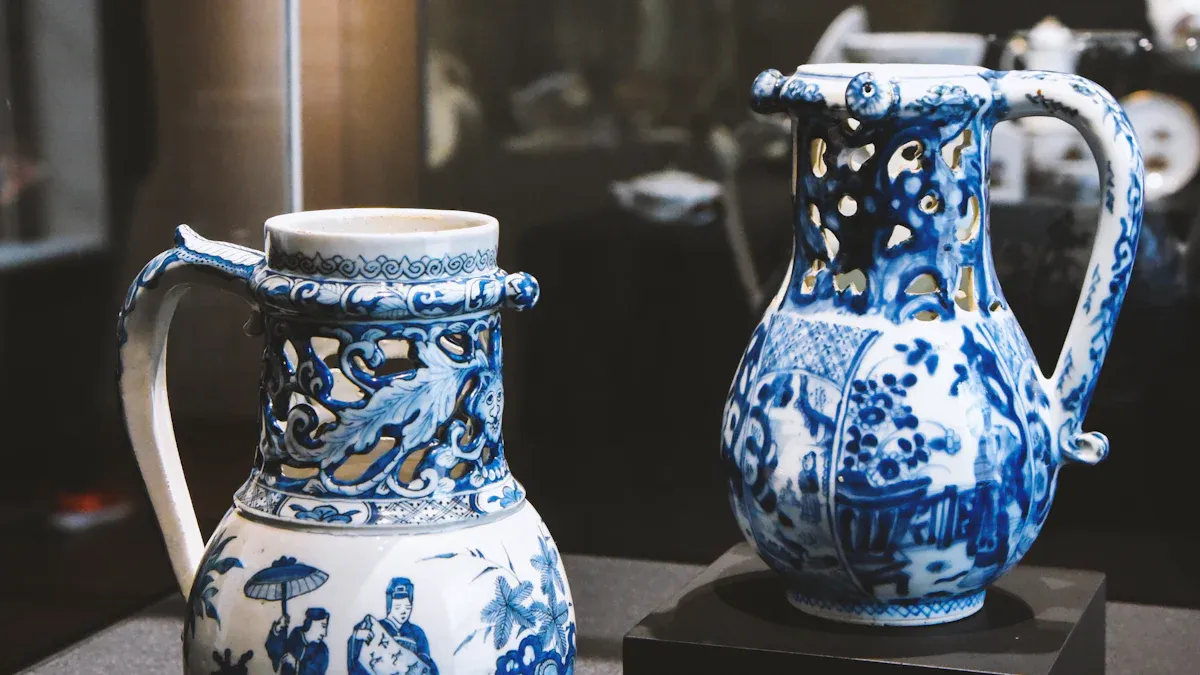
Old Chinese export porcelain often does not show who made it. A plate made for the Dutch market in the 1700s may have a reign mark, but no one knows who painted it. Contemporary ceramics are different. A living artist or a studio like CLAYE gives you direct paperwork. This difference matters for collectors who want a clear chain of ownership. The history of Chinese export porcelain shows that anonymous pieces can still hold value. But modern buyers often prefer works with a named maker and a story you can verify.
Verifying Authenticity And Provenance
Collectors can learn to read the language of glazes, palettes, and reign marks. These skills help tell genuine Chinese porcelain apart from later copies. A strong light shows the body of a piece. Real Jingdezhen kaolin clay has a warm milky glow that lets light through. Copies look muddy or block the light. Tap the rim with a fingernail, and true porcelain gives a clear, long-lasting metallic ring. Copies sound dull or thuddy. Under a magnifying glass, hand-painted pieces show natural variations and haloing. Mass-produced decals show pixels or repeating lines. The unglazed foot rim of real Chinese porcelain feels smooth like baby skin. Copies feel rough or perfectly machine-cut. Buyers should ask for certificates from trusted Jingdezhen sources like CLAYE. These papers confirm the maker, the date, and the materials.
Market Risks And Due Diligence
The market for Chinese export ceramics carries real risks. Fakes show up at every price level. Shipping damage can destroy a fragile cup or vase. Currency changes shift the final cost for international buyers. Due diligence lowers these dangers. Buyers should study the history of Chinese export porcelain and learn common forgery methods. They should buy from recognized brands or galleries. CLAYE offers a safe path because its porcelain production follows strict standards. The brand is a national-level ICH productive protection demonstration base. Several of its works became national gifts. These facts give collectors confidence. Sound also helps. True porcelain makes a crisp bell-like sound when tapped together. High-quality authentic ceramics have colors as bright as a mirror. Bottom markings often include a date or dynasty. However, markings can be faked, so buyers should use them with caution. Careful research and trusted sources protect any collection of Chinese ceramics.
Three main forces push this comeback. First, new artistic ideas connect Jingdezhen’s old traditions with modern global style. Second, buyers from China and the West create more attention. Third, auction results show strong confidence for investment. Western collectors who find this field again discover a market with deep roots and fresh energy.
Simple steps make this market easy to enter. Buyers should check that pieces are real, learn where they came from, and think about risks like fakes or shipping damage. Careful research and trusted sellers keep any collection safe.
Global taste now prefers works that feel both traditional and modern. Contemporary Chinese ceramics from brands like CLAYE will stay a lively collecting area. The kiln fires of Jingdezhen still burn bright.
FAQ
What makes contemporary Chinese ceramics different from older pieces?
Today’s artists in Jingdezhen use hundreds of years of porcelain history with new shapes and glazes. A cup can have an old style shape and a modern painted surface at the same time. Western collectors finding this type of art again get pieces that feel both deep-rooted and fresh. Each item has a known maker and a living story.
Why do Western collectors pay attention to Chinese domestic buyers?
Chinese buyers have money, cultural pride, and a love for modern art. Their need for these works gives prices and notice a strong foundation. International buyers observe when the local market has such backing. This change makes current Chinese ceramics a world category, not just a local one.
How does digital access help collectors buy from Jingdezhen?
Social media and online platforms link buyers directly to studio kilns. A collector in Paris can watch a glaze test happen live. Brands like CLAYE send handmade cups all over the world. This direct connection builds trust and lets Western collectors make collections that show their own style.
What should buyers check before purchasing contemporary Chinese ceramics?
Buyers should ask for certificates from trusted Jingdezhen sources like CLAYE. These papers confirm the maker, date, and materials. A bright light shows the warm glow of real kaolin clay. A clear ring when tapped also marks true porcelain. Careful checks protect any collection.
How does contemporary work differ from chinese export porcelain?
Old chinese export porcelain often does not have a named maker. A plate made for the Dutch market may have a reign mark, but nobody knows who painted it. Modern pieces come with direct artist or studio papers. This clear record of ownership matters to modern buyers who want verifiable origin.