
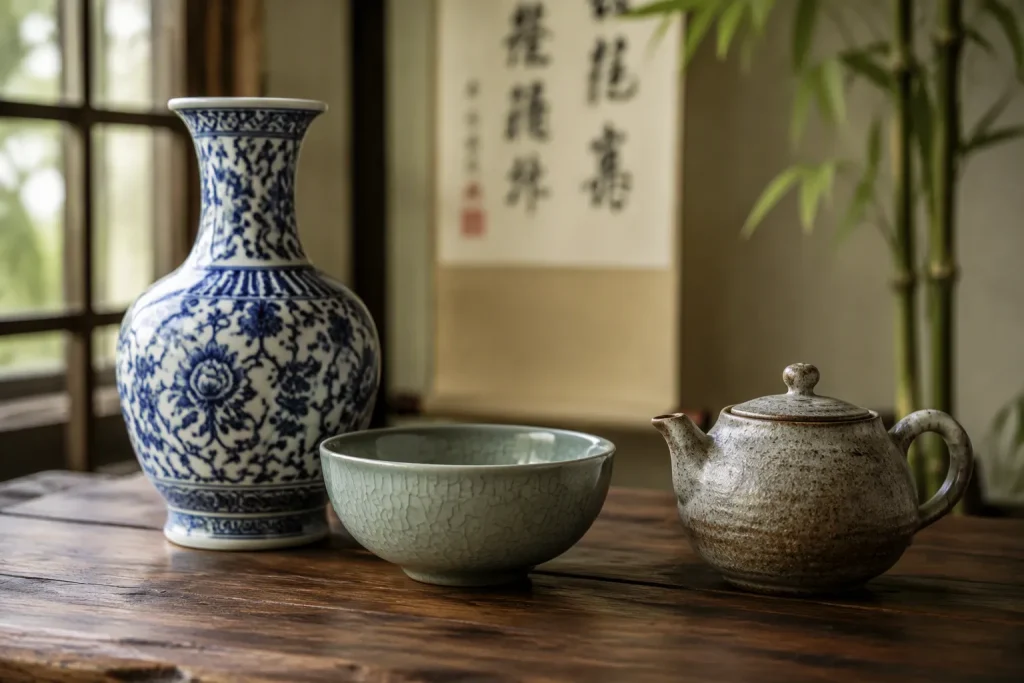
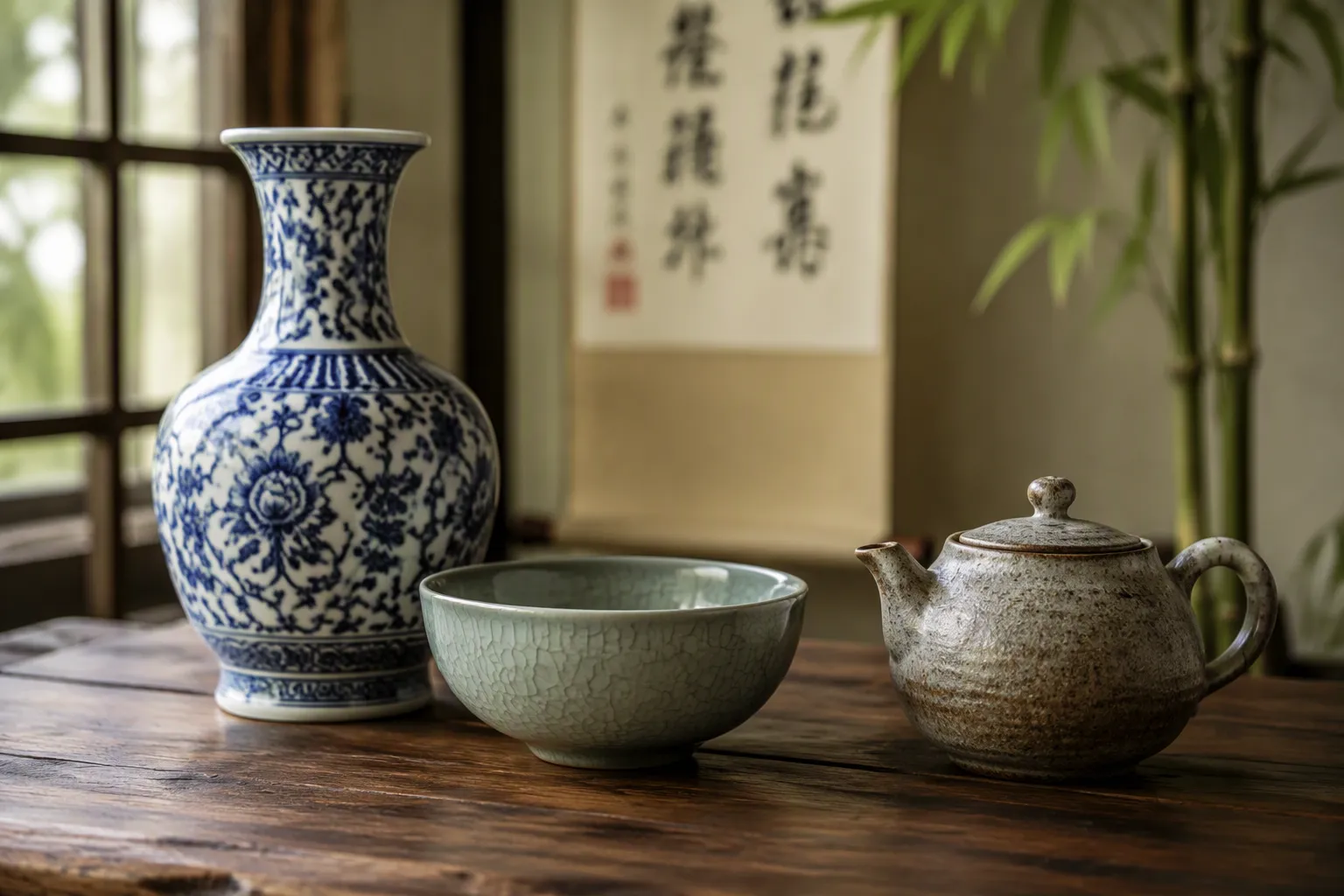
Have you ever held a ceramic cup and wondered about the hands that shaped it? Pottery shows up all over the world, but Chinese Ceramics have a special feel. Jingdezhen, the porcelain capital, sits at the heart of this tradition. The history of chinese ceramics covers many dynasties, from the Song to the Qing. Song artisans made elegant forms perfectly. Song glazes shone like jade. Song kilns made imperial porcelain for the court. The Qing era brought bright colors and global trade. Chinese ceramics from Claye differ in three key ways: their special clay, their new glazing, and their deep cultural and historical roots.
Key Takeaways
Jingdezhen clay makes Chinese ceramics strong and beautiful.
Celadon and oxblood glazes make one-of-a-kind finishes.
The Song and Qing dynasties built a rich history of ceramics.
Claye makes custom designs for pieces made just for you.
You can use these ceramics every day for coffee or tea.
The Unique Clay of Chinese Ceramics
Mineral Purity and Plasticity
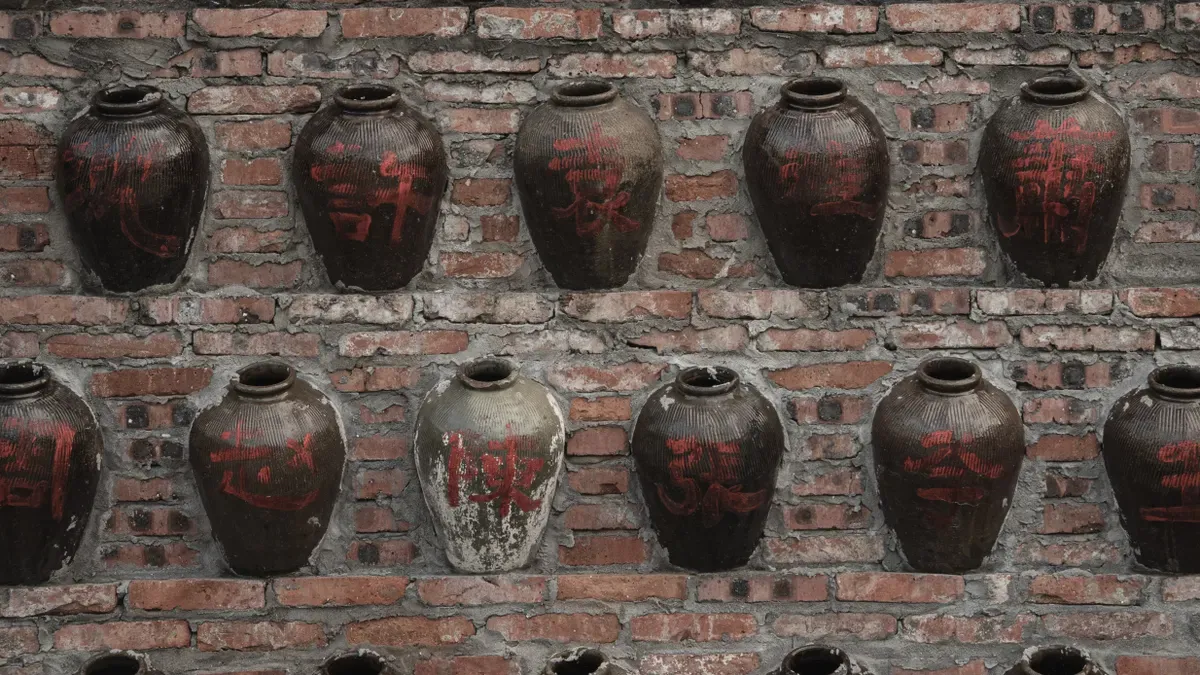
The special quality of Chinese ceramics comes from the earth. The Chinese city of Jingdezhen has a natural treasure. Local clay has a rare mix of minerals. This mix makes the clay very flexible. Artisans can shape it into thin, pretty forms without breaking. Claye’s artisans get this local clay for every handmade cup. This choice keeps it real. You hold a piece of the area’s soil in your hands.
The clean minerals in this clay make it different from other clays. Iron levels are low. Other tiny elements are just right. These traits let the clay become strong, pretty porcelain. Potters everywhere use many kinds of clay. Few can beat the natural benefits near Jingdezhen. That is why Chinese porcelain has been famous for hundreds of years.
The Role of Kaolin in Strength
Kaolin clay is the key to real porcelain. This white clay melts at very high heat. It combines with other materials to make a dense, strong piece. The result is hard-paste porcelain. Europe made hard-paste porcelain much later. Chinese potters used kaolin clay hundreds of years earlier. This early skill gave them a big advantage.
Kaolin clay also makes porcelain see-through. Light goes softly through thin walls. You see this glow in fine white porcelains. The same kaolin clay gives strength. Hard-paste porcelains do not chip or crack from heat changes. They also keep their shape when fired. The kiln gets very hot. Weaker clays would break down. Kaolin clay keeps the shape. This mix of beauty and toughness is what makes white porcelain from Jingdezhen special. Claye keeps this tradition in every piece.
Distinctive Porcelain Glazing Techniques
The Mastery of Celadon and Oxblood
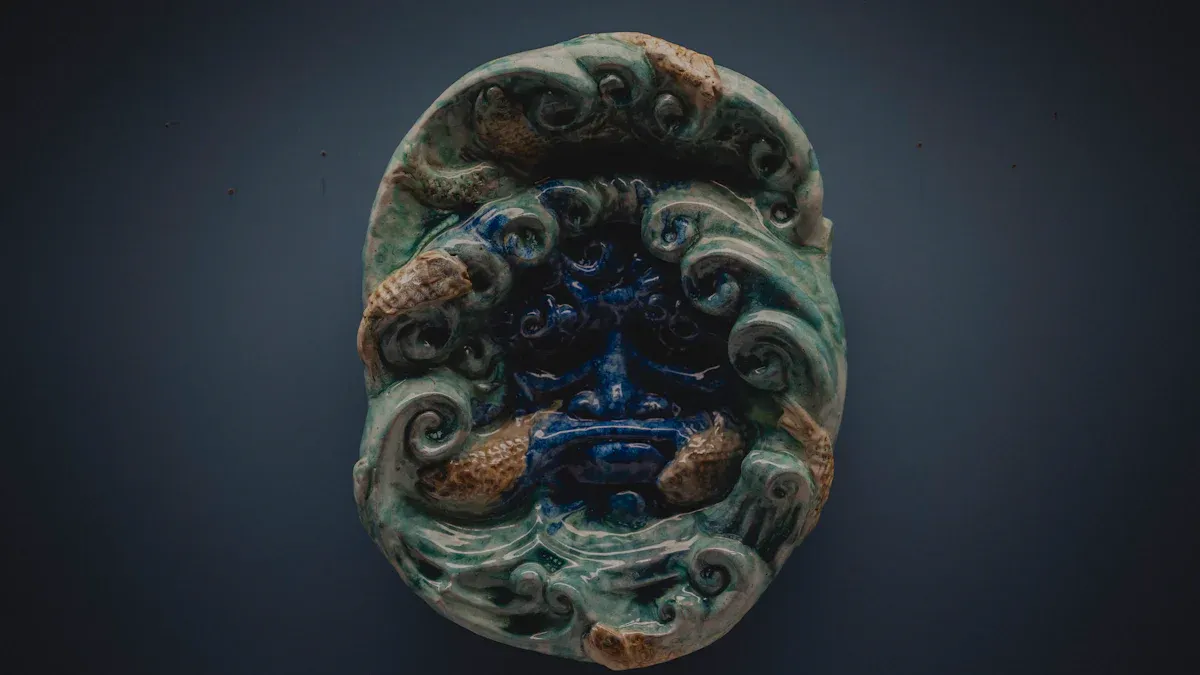
Claye’s artisans use old glazing methods to give each handmade ceramic coffee cup its own look. Celadon glazes make soft green colors that look like jade. Oxblood glazes give deep red surfaces that grab your attention. These glazes set Chinese ceramics apart from normal pottery. The kiln turns raw materials into art.
Oxblood red needs exact conditions. The kiln must have a reduction atmosphere, which means an environment with very little oxygen. A flame from gas, wood, or oil creates this setting. High-fire reduction happens at cone 9-10, about 1280°C. Oxblood reds need this range:
Reduction firing needs a flame and an atmosphere with very little oxygen.
The usual high-fire temperature for reduction is cone 9-10 (~1280°C).
The Art of Glaze Imperfections
Chinese potters value small flaws. Fine cracks in the glaze, called crazing, add character. Pinholes and small irregularities also count as improvements. Western buyers often see these marks as defects. Chinese porcelain tradition treats them as beauty.
Crazing (fine cracks in the glaze), pinholes, or small irregularities in the firing are often seen as improvements rather than flaws.
Song Dynasty Ru ware often shows a subtle crazed or crackled glaze. The most admired pieces may have been those without it. This suggests the crackle effect was not always on purpose. Guan ware, a celadon with a semi-transparent turquoise-blue glaze, shows a more obvious crackle called single crackle. Ge ware uses a gold thread and iron wire crackle. These celadon wares prove that imperfection carries meaning.
Claye offers custom ceramic design services. You can ask for personalized glazes and patterns. Choose blue-and-white underglaze porcelain with underglaze cobalt blue for a classic look. Or select blue-and-white porcelain with your own motif. The artisans adjust shapes, sizes, and glaze techniques and colours to match your vision. Every piece of blue-and-white underglaze porcelain carries your story. The underglaze work stays crisp under the surface. Each cup becomes yours alone.
Cultural Roots of Chinese Porcelain
The Legacy of the Song Dynasty
The Song set a standard of quiet elegance for chinese ceramics. Song artisans made simple forms with perfect proportions. Song glazes showed soft, jade-like colors that still inspire potters today. The Song focus on simplicity means each small curve and line matters. You see this Song influence in clayesouk‘s handmade cups. Celadon on these cups carries that tradition forward. The Song style connects ancient practice to your hands today.
Your understanding of the history of chinese ceramics grows when you study the Song. The history of chinese ceramics covers many dynasties, but this Song stands out for its refinement. Claye honors this chinese ceramic history as a national-level ICH productive protection demonstration base. This status means the brand keeps traditional techniques alive. Each piece shows this commitment to cultural heritage.
Imperial Patronage and Export
The ming dynasty changed chinese porcelain through imperial support. In 1369, the ming court set up the Imperial Kiln Factory in Jingdezhen. The ming porcelain made there was for royal use only. The ming quality control was strict. Workers destroyed defective pieces on site. No flawed wares reached the market. The ming factory focused on artistic excellence without cost concerns. The ming system made sure that imperial porcelain met the highest standards. The ming dynasty built a reputation that still helps chinese ceramics today. You hold this ming legacy when you use a claye cup. The ming focus on perfection set a benchmark for all later work.
The qing dynasty grew production into new markets. The qing potteries made three tiers of goods. Imperial wares served the court. Export items traveled overseas. Popular domestic pieces met local needs. Official old workshops helped with large orders. The qing system let more people enjoy fine porcelain. The qing period saw a boom in international trade. The qing dynasty sent porcelain to Europe and beyond. This qing export tradition continues today. Claye serves international customers who value authentic craftsmanship. The same commitment across dynasties made this tradition famous worldwide.
You now know three ways Chinese ceramics from Claye stand apart. The local clay gives each piece strength and beauty. The celadon and oxblood glazes create stunning finishes. The Song and Qing dynasties shaped a rich history of chinese ceramics. These elements turn pottery into profound art. The Song focus on elegance and the Qing drive for trade built a lasting legacy. Claye carries this forward in every handmade cup. Next time you see chinese porcelain, look closer. Visit a museum or pick up a cup you own. You will see the clay, the glaze, and the centuries behind it.
FAQ
What makes Jingdezhen clay special for ceramics?
Jingdezhen clay has a rare mix of minerals and low iron. This makes it very flexible. Artisans can shape thin, strong forms without breaking them. The clay also has kaolin in it. Kaolin helps porcelain become see-through and strong. Claye gets this local clay for every handmade cup.
Why do Chinese potters value crazing on porcelain?
Crazing means fine cracks in the glaze. Western buyers often see this as a flaw. Chinese tradition sees it as beauty. Song Dynasty Ru ware and Guan ware show this crackle effect. It adds character and depth to each piece.
How does Claye personalize ceramic designs for customers?
Claye offers custom ceramic design services. You can ask for personalized glazes, patterns, shapes, and sizes. Choose blue-and-white underglaze porcelain with your own motif. The artisans adjust techniques to match your vision. Each cup becomes uniquely yours.
What role did imperial support play in Chinese porcelain history?
The qing dynasty grew production through imperial workshops. The court set strict quality standards. Defective pieces were destroyed on site. This system built a global reputation. Claye continues this legacy by serving international customers who value authentic craftsmanship.
Can I use Claye ceramic cups for daily coffee or tea?
Yes. Claye’s handmade ceramic coffee cups and tea cups work well for daily use. The high-fired porcelain resists chips and heat changes. Kaolin clay gives strength. You can enjoy your favorite drink while holding a piece of history.
