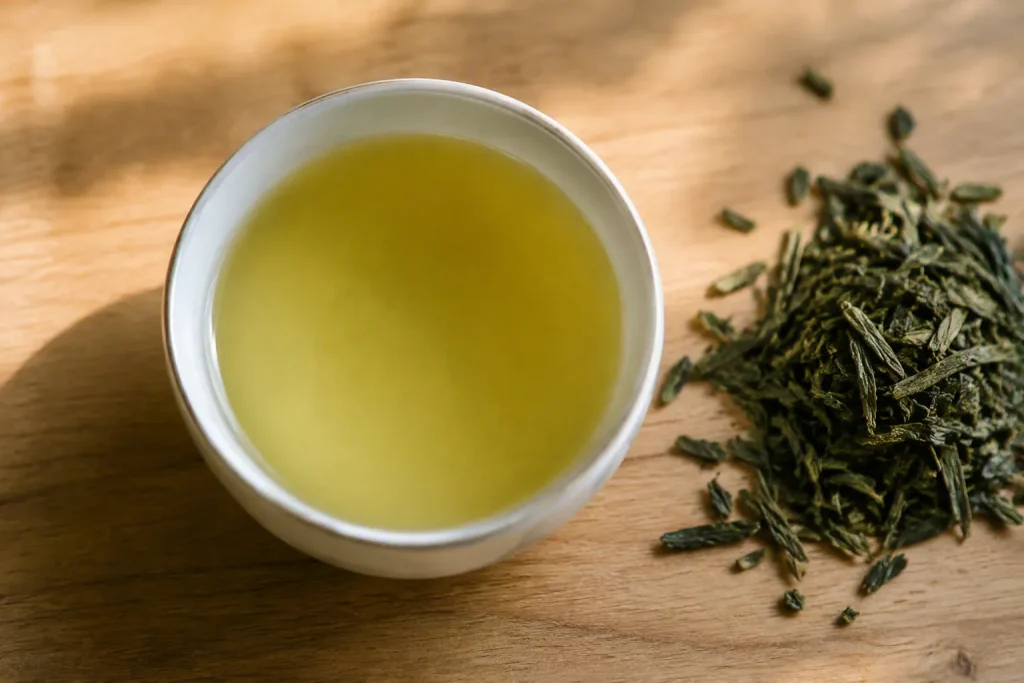
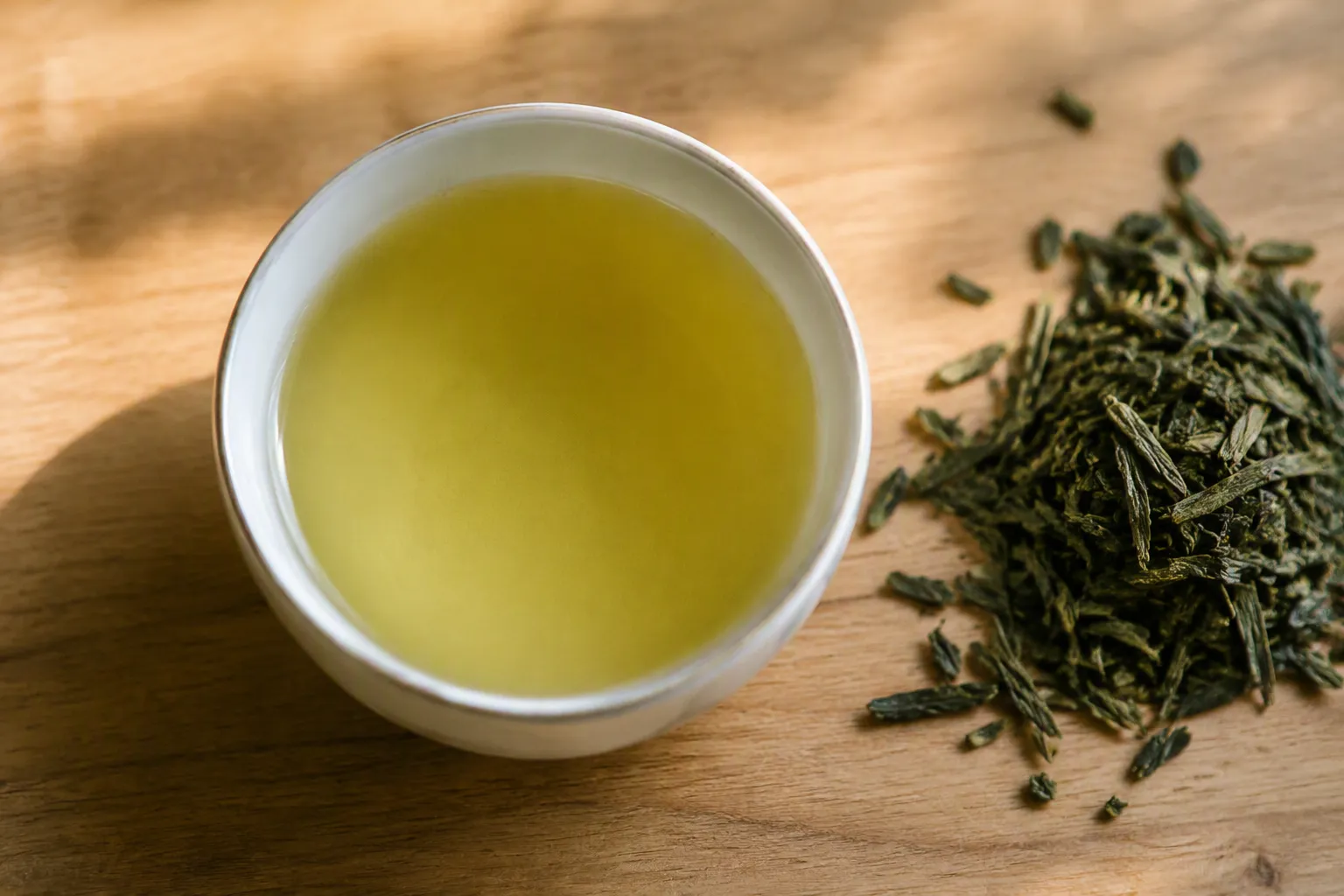
You lift a porcelain teacup to your lips. The first sip of green tea tastes bright and sweet. Now try the same tea in a thick ceramic teacup. The flavor feels dull and flat. Why does this happen?
A thin porcelain teacup makes green tea tastes better for three simple reasons. The material is non-porous, the walls are thin, and the teacup holds heat gently. Each trait shapes how your tea tastes.
A porcelain teacup preserves delicate notes. A thin teacup cools tea to the right temperature. The same teacup keeps your drink warm without stewing it. The teacup also feels lovely in your hand. These four traits make every sip better. A good teacup changes everything. The right teacup makes tea tastes better.
Key Takeaways
A teacup made of porcelain that does not let anything pass through keeps all the light, fresh tastes of green tea safe.
Thin walls cool the tea fast. This stops it from getting bitter and keeps its sweet, fresh taste.
Porcelain keeps a soft warmth, so your tea stays at just the right temperature without getting too strong.
A light cup with a smooth edge makes every sip feel nice and brings out the sweetness.
Wash your thin porcelain teacup by hand with care to protect its glaze and enjoy better tea for many years.
Non-Porous Surface Makes Tea Tastes Better
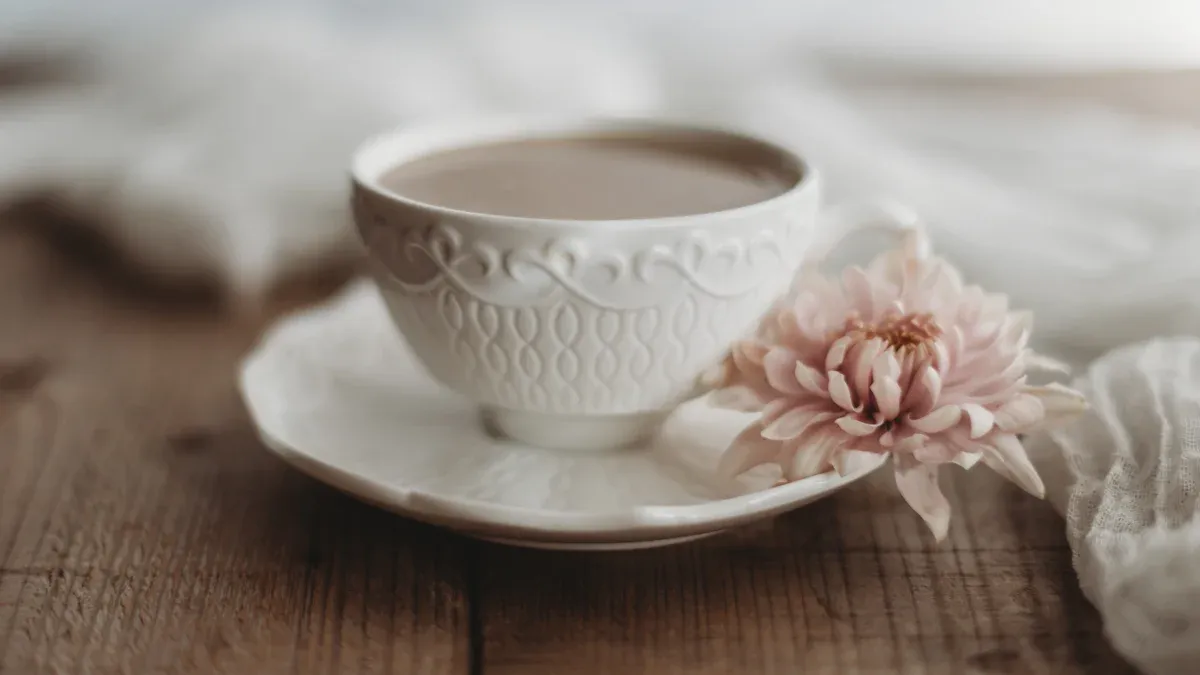
Why porous materials mute green tea aroma
You know that green tea tastes better when you brew it carefully. The cup matters as much as the tea leaves. Porous materials make tea worse. Unglazed clay, like Yixing or Zisha, has many tiny pits and cracks. Those holes pull flavor from your tea. Over time, the clay keeps those smells. Many tea drinkers use one teapot for one tea type, like oolong or pu-erh. That stops flavors from mixing. That habit shows the point. The clay holds the scent of every brew. You should not use soap on unglazed clay unless you have to. The material traps whatever touches it. When you pour green tea into a porous cup, the sides pull flavor away from the drink. The result tastes flat and weak. Your teacup steals the flavors you paid for.
How smooth porcelain keeps every note intact
Porcelain works the opposite way. Makers fire porcelain at very high heat. The material turns into a glass-like solid. This process removes tiny cracks found in lower-fired ceramics. The surface absorbs almost no water. Less than 0.1%. No pits. No cracks. Nothing for flavor to stick to. Your teacup stays neutral. The tea keeps all its taste. Bone china works the same way. It is non-porous. It does not soak up tea flavors. You can test this. After you drink a cup, smell the inside. A porcelain cup keeps more smell than other materials. That smell stays in the cup instead of sinking into the walls. The table below shows how material choice changes your experience.
Material | Ideal Tea Types | Key Advantage | Effect on Flavor |
|---|---|---|---|
Porcelain (glazed ceramic) | Green, white, light oolong, black | Neutral flavor profile and versatility | Non-porous surface guarantees flavor purity |
Unglazed clay (Yixing/Zisha) | Aged pu-erh, dark oolong, robust black | Mellows and enhances flavor over time | Porous and interacts directly with tea, absorbing aromas |
A porcelain teacup gives you a clean canvas. Every note of your loose-leaf green tea arrives whole. The teacup does not add anything. The teacup does not take anything away. That neutral feel makes tea taste better in a way you can notice right away. A better teacup gives a better cup. A better cup makes every tea time worth repeating.
Thin Walls Cool Tea So Green Tea Tastes Better

The link between steeping heat and bitterness
Water temperature controls how your green tea tastes. Brew green tea too hot, and you pull out compounds you do not want. Caffeine and tannins release quickly once water passes roughly 85°C (185°F).
Caffeine and tannins, by contrast, release aggressively once water passes roughly 85°C (185°F).
Those compounds bring bitterness. They also bring a dry, astringent feel to your mouth. You lose the sweet, vegetal notes that make green tea special. A thin porcelain teacup helps you avoid this problem. The walls transfer heat away from the liquid fast. Your tea drops from brewing temperature to drinking temperature in moments. A thick ceramic mug holds heat inside. The liquid stays hot too long. The result tastes harsh and flat.
How rapid cooling locks in sweetness
A thin teacup cools your tea to the right zone quickly. That quick drop protects the delicate compounds in your loose-leaf green tea. Science supports this idea. Extended thermal treatment can render infusions dark and bitter (Lee & Chambers, 2009).
Extended thermal treatment can render infusions dark and bitter (Lee & Chambers, 2009).
High heat also damages the catechins that give green tea its fresh character. Research shows specific problems:
Catechins can be destroyed by brewing above 90 °C.
Catechins can undergo degradation, epimerization, and oligomerization at higher temperatures and longer brewing times.
A thin teacup limits the time your tea spends in that danger zone. The liquid cools before those reactions take over. You keep the sweetness. You keep the bright, grassy notes. You keep the clean finish. A bone china cup works especially well here. Bone china is a type of porcelain. It is non-porous and thin. Tea cools more quickly in a bone china cup. Bitterness never develops. The same tea in a thick mug tastes completely different. The thick walls trap heat. The leaves keep steeping in hot water. The cup makes tea tastes better when the walls stay thin.
The rim of your teacup also matters. A thin rim lets tea reach your tongue quickly. The liquid spreads across your palate without delay. You perceive more flavor this way. A thick rim blocks that immediate contact. The tea arrives in a smaller, slower stream. Your tongue catches fewer notes. A thin rim delivers every drop fast. That speed enhances perceived taste. You notice sweetness first. You notice the aroma. You notice the smooth texture. A thin teacup gives you all of this. A thick teacup takes it away. The difference is not imaginary. The physics of heat transfer and the shape of the rim both play a role. Choose a thin teacup for your next cup of green tea. Feel how fast the liquid cools. Notice how the flavor stays sweet. That is green tea tastes better in action.
Steady Warmth Keeps Tea Better for Longer
Why steady warmth beats hot-then-cold swings
You want your green tea to stay warm through the whole session. A thick ceramic mug seems like a good choice at first. It holds heat for a long time. The table below shows the problem with that logic.
Property | Thick Ceramic (Tenmoku) | Thin Porcelain |
|---|---|---|
Time above 140°F | 12 minutes | 4 minutes |
Wall thickness | 0.35 inches | 0.08 inches |
Weight (same size) | 12–14 oz | 5–7 oz |
Specific heat capacity | 0.92 kJ/kg·K | 0.75 kJ/kg·K |
A thick mug keeps your tea above 140°F for 12 minutes. That sounds helpful. It is not. Your green tea keeps steeping in that hot liquid. The leaves release more tannins. The flavor turns bitter. A thin porcelain teacup stays above 140°F for only 4 minutes. Your tea drops to a safe drinking temperature fast. The leaves stop stewing. The sweet notes stay in your cup.
Ceramic mugs excel in heat retention due to their thicker walls and thermal mass properties that absorb and release heat gradually. This characteristic keeps beverages warmer longer, making ceramic ideal for slow drinkers who appreciate extended temperature maintenance throughout their coffee or tea consumption. However, the superior heat retention also means ceramic mugs become hot to handle and require careful maneuvering.
Porcelain mugs heat quickly but also cool more rapidly, providing better temperature control and more comfortable handling. The thinner walls typical of porcelain construction allow faster heat transfer, which can be advantageous for beverages that benefit from gradual cooling or when rapid temperature changes are desired.
A thick-walled vessel swings from too hot to too cold. You burn your tongue at the start. You sip cold tea at the end. A thin teacup gives you steady warmth. The temperature stays in a comfortable range. Every sip tastes consistent. That consistency makes tea tastes better from the first cup to the last.
How thin porcelain holds temperature gently
Thin porcelain retains heat without overheating your loose-leaf green tea. The material has a lower specific heat capacity than thick ceramic. It absorbs less heat from the liquid. It releases that heat back slowly. Your teacup stays warm in your hands. Your tea stays warm on your tongue. The gentle transfer keeps the liquid in the ideal drinking zone.
A thick ceramic teacup becomes hot to handle. You need to wrap it in a cloth. You wait for it to cool. A thin porcelain teacup feels comfortable right away. You can hold it without a towel. You can drink without waiting. The lightweight feel also helps. A 5–7 oz teacup feels balanced in your hand. A 12–14 oz mug feels heavy and clumsy.
This gentle warmth supports the flavors you love. The teacup does not push the tea into bitterness. The teacup does not let the tea go cold. It holds the middle ground. You get the best of both worlds. A thin porcelain teacup makes green tea tastes better because it respects the leaf. It respects your time. It respects your senses. Choose a thin teacup for your next session. Feel the steady warmth. Taste the difference.
Aesthetic and Tactile Joy in Every Sip
How a lightweight cup shapes flavor perception
The weight of your teacup changes how you taste. A heavy ceramic mug makes the same drink taste stronger and more intense. A lightweight porcelain teacup shifts your perception toward delicacy. The thin rim directs liquid to the front of your tongue first. That area detects sweetness. Your green tea tastes slightly sweeter and cleaner from a thin teacup. This effect is not imagination. Research on container perception shows that cup weight and shape influence flavor judgment. In one study, participants rated drinks from angular cups as more bitter and intense. Round cups produced sweeter ratings. Your teacup sends physical signals before the tea even reaches your lips. A lightweight teacup feels refined and elegant. That feeling carries into every sip. You focus on subtle notes. You notice the gentle sweetness. A heavy mug pushes you toward strength and substance. A thin teacup guides you toward refinement. Your preference for delicate green tea finds its match in a lightweight vessel.
Color, translucency, and rim feel
A porcelain teacup pleases your eyes before your tongue. The translucent glaze glows when light passes through. You watch the pale green liquor through the wall. That visual cue prepares your senses for a delicate drink. The smooth rim glides across your lips without friction. A rough rim distracts you. A smooth rim lets you focus on the tea. These small details shape your tea drinking experience. They turn a simple drink into a moment of pleasure. This is why tea tastes better in a well-made teacup. A bone china cup offers this translucent beauty. A bone china cup also stays smooth and light. When you choose fine bone china tea sets, you invest in that full sensory package. Brands like clayesouk craft handmade ceramic cups in Jingdezhen. Their artisans bring over a decade of experience to each piece. They blend traditional Chinese craftsmanship with modern aesthetics. The result is a teacup that feels as good as it looks. Your loose-leaf tea deserves that kind of care. Every tea tasting becomes richer when the vessel itself brings joy.
Brewing and Caring for Thin Porcelain
Simple brewing tips for best flavor
You own a thin porcelain teacup now. You want brewing the perfect cup of tea. Start with the right water temperature. Green tea is the most delicate tea type. It needs lower heat and shorter steeping than black or herbal tea. Use this table as your guide.
Tea Type | Steeping Time | Water Temperature |
|---|---|---|
Green tea | 3–4 minutes | 175°F (79°C) |
White tea | 4–5 minutes | 175°F (79°C) |
Oolong tea | 3–5 minutes | 195°F (91°C) |
Black tea | 3–4 minutes | 195°F (91°C) |
Fill the kettle with fresh, cold, and filtered water and bring it to a boil, or a near boil if brewing green or white tea.
Pre-warm your teacup before you pour. Fill it with hot water for a moment. Dump that water out. Now add your loose-leaf tea. The warm walls keep your drink at a steady temperature. Your teacup will not shock the leaves with a cold surface. This small step makes tea tastes better right away.
Cleaning and handling to protect the glaze
A thin porcelain teacup needs gentle care. The glaze stays glossy when you treat it well. Follow these steps after every session.
Rinse the cup right after use so leftover tea residue does not set and bond to the surface.
Wash gently using only a soft sponge or cloth.
Avoid steel wool and green scouring pads, since these can permanently scratch the glaze.
Let the cup air dry upside down on a linen cloth to prevent water spots.
Practice
Recommendation
Reason
Dishwasher use
Hand wash only
Dishwasher detergents are abrasive and can micro-abrade the glaze, dulling its glossy, wet-looking finish over time.
Washing tool
Use a soft sponge or cloth
Gentle materials clean without damaging the surface.
Tools to avoid
Never use steel wool or green scouring pads
These cause permanent scratches to the glaze.
Drying method
Air dry upside down on a linen cloth
Helps prevent water spots.
Storage
Air dry fully before storing
Prevents moisture-related issues and preserves the piece.
Store your teacup with care. A thin rim chips easily against other dishes. Give it its own shelf space. Line the shelf with a soft cloth. These habits protect your investment. They keep your teacup ready for the best possible cup of tea. A well-kept teacup serves you better for years. clayesouk offers after-sales support and maintenance guidance if you ever need help. Their team can answer questions about glaze care. You get better results when you know how to treat your loose-leaf tea ware. A clean teacup delivers a cleaner flavor. That care makes every session better.
A thin porcelain teacup improves your green tea. The non-porous surface keeps every note pure. Thin walls cool the tea quickly, so bitterness never develops. Gentle heat retention holds a steady warmth. The light feel and smooth rim add joy to the drinking tea experience. Your teacup shapes every sip. Your teacup matters.
Brew your loose-leaf green tea, pour it into a thin teacup, and take a slow sip. Your preference for delicate flavor will find its match. This simple change means green tea tastes better. You will find that tea tastes better this way. Choose a thin teacup for your next cup. A good teacup should feel this good.
FAQ
Does the type of teacup really change how green tea tastes?
Yes. A thin porcelain teacup has a non-porous surface. It does not absorb flavor compounds. The thin walls also cool your drink quickly. This prevents bitterness from developing. A thick mug traps heat and holds back aroma. You will notice a clear difference in sweetness and clarity.
Can I use my thin porcelain teacup for other types of tea?
Absolutely. Porcelain is neutral. It will not carry flavors from one tea to the next. Rinse it well between uses. You can brew green, white, oolong, or black tea in the same teacup. Each cup will taste clean and true to its leaf.
How do I know if my teacup is truly thin porcelain?
Tap the rim gently. Thin porcelain rings with a clear, high note. It also feels light in your hand. Hold it up to light. You will see a soft glow through the wall. A thick ceramic mug feels heavy and blocks light completely.
Will my tea stay warm enough in a thin teacup?
Yes, for the right amount of time. Thin porcelain holds gentle warmth without stewing the leaves. Your tea stays in the ideal drinking range through the session. You avoid the hot-then-cold swing of thick mugs. Every sip tastes consistent and pleasant.
How should I clean my thin porcelain teacup?
Hand wash with a soft sponge and mild soap. Rinse right after use. Avoid steel wool and abrasive pads. They scratch the glaze. Let the teacup air dry upside down on a soft cloth. Store it carefully to protect the thin rim from chips.