
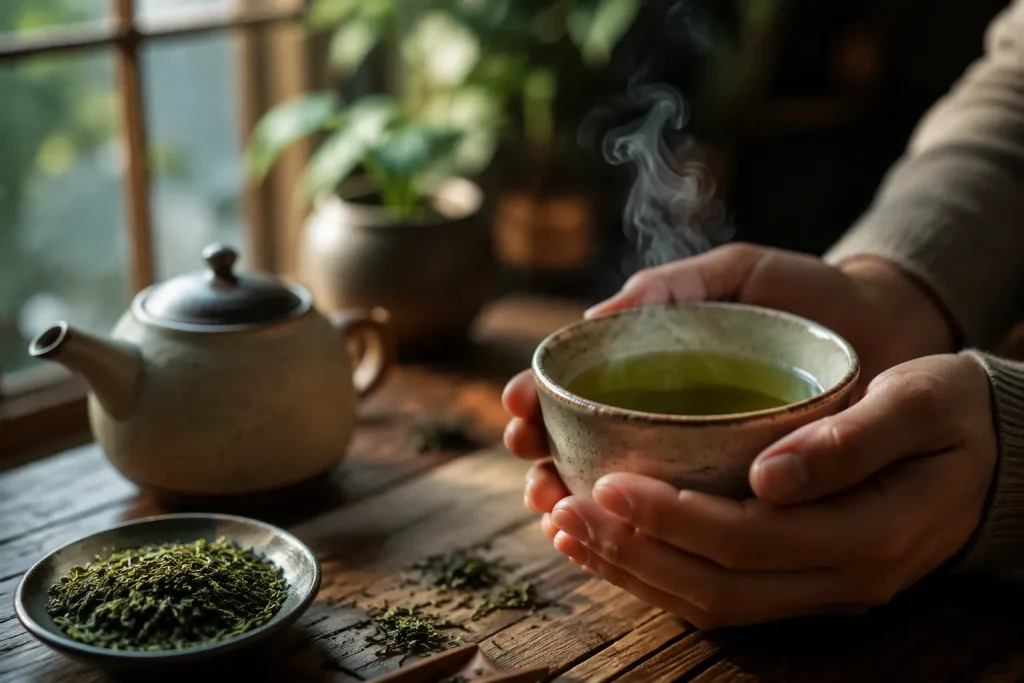
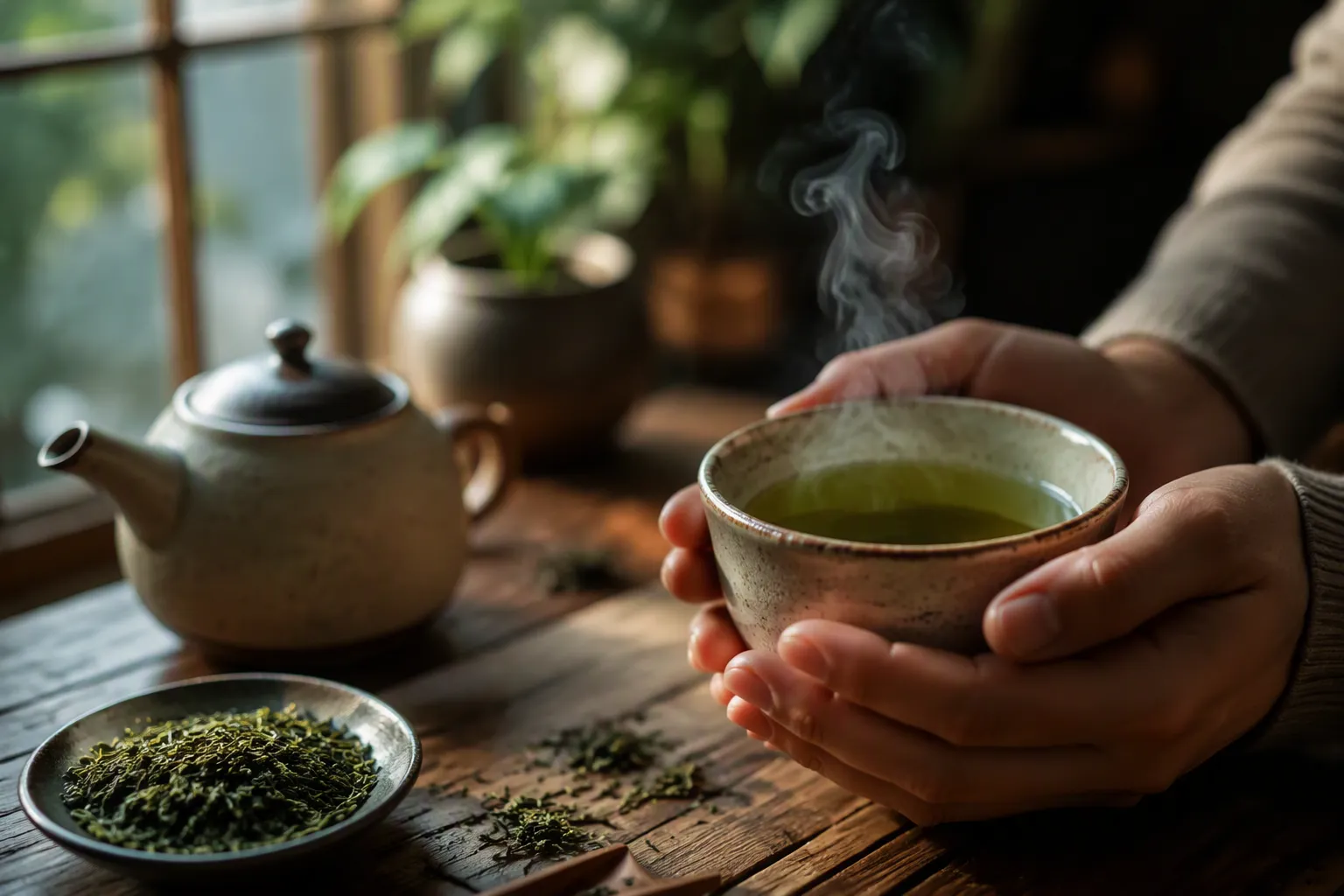
You might wonder if your cup choice matters for your health. It does. The material of your cup directly affects the health benefits of your tea. Ceramic stands as the best option. It is chemically inert, so it will not react with hot tea. Ceramic also retains heat well, helping your body absorb more antioxidants from every cup of tea. Plastic cups can leach chemicals into your green tea. Metal cups can change the flavor and release unwanted ions. Choose ceramic for a much safer drink. Your daily ritual becomes healthier with this simple change.
Key Takeaways
Ceramic cups keep your tea safe because they do not react with hot tea or let out chemicals.
Ceramic cups are good at keeping heat, so your tea stays warm longer and releases more antioxidants.
Plastic and metal cups can let bad stuff get into your tea or make it taste different.
Using a ceramic cup can help you relax and enjoy a calm tea ritual.
Pick a ceramic cup for a healthier and tastier tea every day.
Non-Toxic Ceramic for Safe Drinking Tea
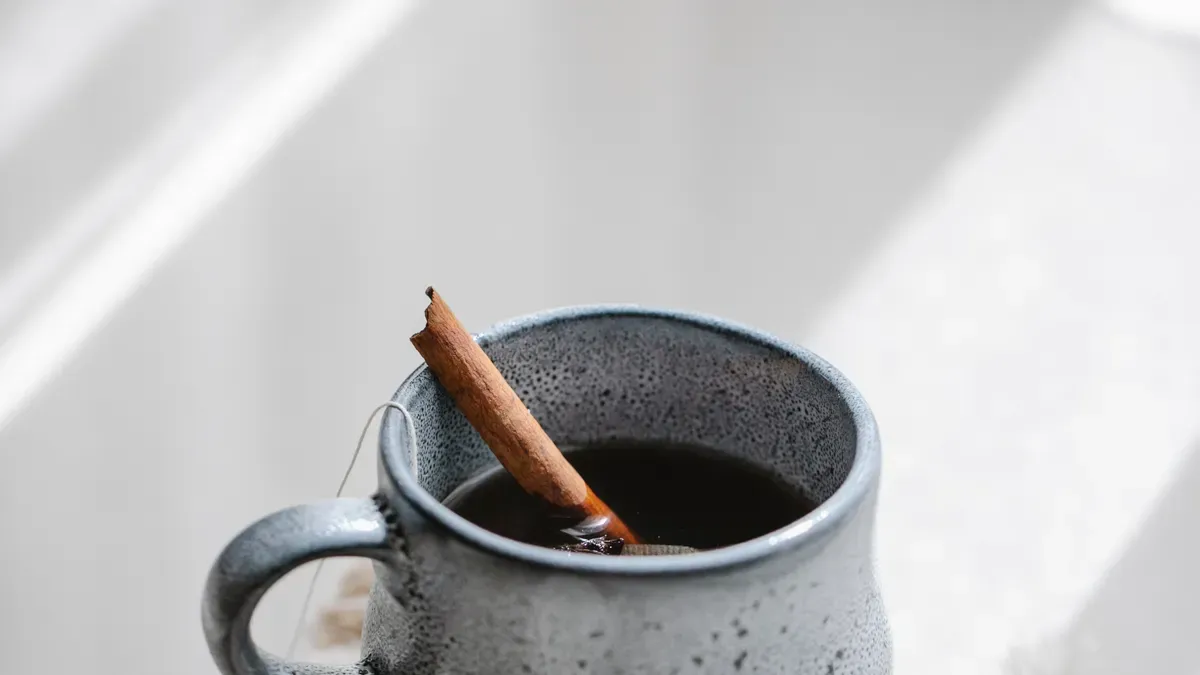
Ceramic is chemically inert. That means it does not react with hot water or the natural acids in tea. You can steep your green tea or herbal blend for as long as you want. The cup will not change the liquid inside. This safety makes ceramic a smart choice for your daily drink.
Why Clayesouk Ceramic is Inert
Clayesouk comes from Jingdezhen. That city is known as the Porcelain Capital of the World. Craftspeople there have made ceramics for over 1,700 years. Clayesouk keeps this tradition going with handmade cups fired at high heat. This intense heat creates a non-porous surface. A non-porous surface means nothing can soak into the cup or leak out. Your tea stays pure. You get all the health benefits with no worry. The glaze on these cups is also inert. It will not react with the tea acids. This keeps your drink safe from unwanted chemicals. You can enjoy your tea with confidence.
The Risks of Plastic and Metal Cups
Plastic cups pose a real danger. Polycarbonate drinkware can leak BPA into hot tea. BPA is an endocrine disruptor. It can mess up your body’s hormone system. Studies link BPA exposure to hormone problems, reproductive troubles, and higher cancer risk. Heat speeds up this leaking. A study measured BPA levels in hot drinks. The table below shows the results.
Group | Exposure | Serum BPA Concentration (μg/L) |
|---|---|---|
G1 (control) | Hot water in glass cups | 24 ± 2 |
G2 | Hot water in plastic cups | |
G3 | Hot Arabian coffee in plastic cups | 29 ± 6 |
The conclusion is clear. BPA can leak from food-grade plastic cups into hot drinks quickly. This is a big public health issue. BPA can also leak tiny amounts from polycarbonate containers into foods and drinks. Heat makes it worse. In animal tests, BPA seems to copy or mess with estrogen. It can affect the reproductive system and possibly raise cancer risk. Studies suggest links between BPA and obesity, diabetes, and heart disease. The NIEHS is a little worried about BPA’s effects on fetuses, infants, and young children. These effects include possible brain and behavior problems. To lower exposure, avoid polycarbonate containers marked with a No. 7. Do not microwave them. Choose glass, porcelain, or stainless steel for hot foods and drinks.
Metal cups bring their own problems. They can give your tea a metallic taste. That ruins the flavor of a delicate green tea or a floral herbal blend. Metal can also leak ions into the liquid. These ions may react with the tea’s natural compounds. This reaction can lower the nutrition your body gets. Ceramic avoids all these issues. It keeps your tea safe and tasty.
Health Benefits of Drinking Tea and Heat Retention
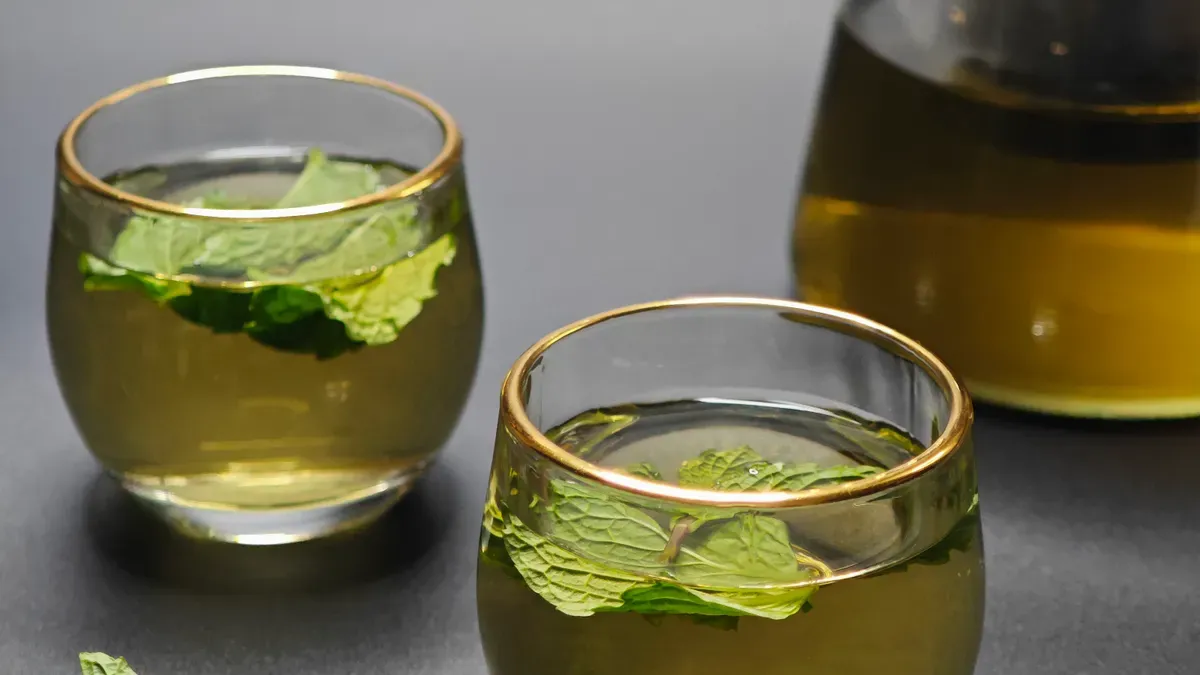
Ceramic has high thermal mass. This means it holds heat longer than glass or paper. A thick ceramic wall increases the distance heat must travel before escaping into the air. The extra material also stores more heat energy. Thick walls act as a stronger barrier between your hot drink and the cooler room. They slow heat loss once the cup has warmed up. The trade-off is simple. Very thick cups absorb more heat from the beverage at first. Your tea may cool slightly at the start. After that, the stored heat keeps the liquid warm for a long time.
Material | Thermal conductivity | Heat retention implication |
|---|---|---|
Ceramic | 1.1–1.5 W/m·K | Over 10 times more resistant to heat loss than stainless steel; acts as a thermal buffer |
Glass | 0.8–1.1 W/m·K | Low heat storage; thin glass cools faster |
Stainless steel | 14–16 W/m·K | High thermal conductivity; uninsulated metal loses heat quickly |
How Ceramic Keeps Tea Warm
Thick-walled ceramic mugs offer higher thermal mass. They lose heat slowly after the initial warm-up. This gives you better long-term heat retention. Thin-walled ceramic mugs hold less material. They cool almost instantly. Your tea reaches the ideal temperature quickly but loses heat faster. Thick walls suit drinkers who want warmth for longer. Thin walls suit drinkers who want faster cooling.
Ceramic holds heat the longest among the three, especially if pre-warmed.
Pre-warming your cup makes a real difference. Fill it with hot water for a minute before you brew. The ceramic absorbs that heat first. Then it pulls less warmth from your tea. Your green tea stays hot from the first sip to the last.
Better Extraction of Antioxidants
Hot water for a longer time extracts more antioxidants from the leaves. These include catechins and polyphenols. The same steady heat pulls out minerals like potassium and magnesium. A ceramic cup keeps the temperature stable during the whole steep. This steady temperature allows the tea to release its beneficial compounds fully. You get the most from every leaf.
Green tea offers well-known antioxidant properties. These compounds support your overall health. A warm cup also supports hydration. Proper hydration helps your body work well every day. The nutrition in your cup depends on how well you brew it. A stable temperature protects those delicate compounds. It also protects the flavor.
This is where the health benefits of drinking tea become real. A paper cup loses heat fast. A glass cup cools quickly too. Ceramic holds the heat your leaves need. The longer steep time means more beneficial compounds in your body. Every sip delivers more of what makes tea good for you. That is the quiet power of a simple ceramic cup.
Better Taste and Mindfulness When You Drink
Ceramic does not react with other stuff. It does not change how your tea tastes. Metal cups can make your drink taste like metal. Plastic cups can leave a fake taste. Ceramic keeps every sip clean and real.
The Flavor Difference of Ceramic
Ceramic adds no flavor. It is a neutral material. It will not change your tea at all. This matters most for soft teas. A light green tea or a flowery blend shows every bad taste in a reactive cup. Ceramic lets the natural flavor stand out.
Ceramic does not react with tea chemicals. It also does not soak up tea smells or leave bad odors like metal or plastic. This makes it the best material to keep tea’s real taste.
Stainless steel does not take in flavors. Yet it sometimes gives off bad tastes into drinks. Ceramic is different. It neither takes in nor gives off flavors. Your tea tastes exactly how it should. This purity makes every cup more fun.
The Ritual of Slowing Down
A handmade ceramic cup changes how you drink. The feel and weight slow your morning pace. You hold something solid and warm. This small pause helps you be mindful without trying. That quiet moment can shape your whole day.
Research shows this calm state helps your body. Stress goes down in clear ways:
Less cortisol in the body
More alpha brain waves, which show relaxed focus
Lower morning alpha-amylase levels in spit
Less immunoglobulin A in spit
Heart rate can drop by 5 to 10 beats each minute. These changes help your overall health. A slower daily habit reduces stress and makes you feel better.
A handmade clayesouk cup connects you to human touch. Each piece comes from Jingdezhen artists with over ten years of skill. The warmth of old-fashioned craft meets your hands every morning. This feel makes your daily tea habit a moment of real care.
Your cup does more than hold liquid. Ceramic keeps your tea free from chemicals, holds heat for a full steep, and turns each sip into a calm moment. These three pillars work together. They protect your body and your peace of mind. Think of a ceramic cup as a tool for better health, not just a vessel. So swap your plastic or metal cup today. Visit clayesouk for authentic, handmade ceramic cups from Jingdezhen. Each piece brings warmth and craft to your daily tea ritual. Your green tea will taste cleaner. Your body will thank you.
FAQ
Does the cup material really change how healthy your tea is?
Yes. Plastic cups can leach BPA into hot tea. Metal cups may release ions that react with tea compounds. Ceramic stays inert. It will not react with hot water or tea acids. You get the full health benefits without added chemicals.
How does a ceramic cup help you get more antioxidants?
Ceramic holds heat longer than glass or paper. This steady warmth lets green tea leaves release more catechins and polyphenols. A longer steep at a stable temperature pulls out more beneficial compounds. You absorb more antioxidants from every cup.
Can you drink herbal tea from a ceramic cup safely?
Absolutely. Ceramic does not react with the natural acids in herbal blends. You can steep your herbal tea as long as you like. The cup will not change the liquid or add unwanted flavors. Every sip stays pure and safe.
Why does tea taste better in a ceramic cup?
Ceramic adds no flavor of its own. It will not give your drink a metallic or plastic taste. A light green tea or a floral herbal blend shows its true character. The natural taste stands out without any interference.
Does drinking from a ceramic cup help you relax?
Yes. A handmade ceramic cup feels warm and solid in your hands. This simple act slows your pace. Research links this calm state to lower blood pressure and less cortisol. You drink with more awareness. Your daily tea ritual becomes a moment of real care.
