


When you run a busy café, all your equipment works hard every day. You need to choose ceramic cups that balance strength, heat retention, and cost for your busy demand. This choice affects how customers feel and your profits. The right cup keeps your hot drinks at the perfect temperature during busy service. Knowing standard coffee cup sizes helps you match your menu needs and design a practical menu plan. This guide gives you useful tips on material, size, and care. You will learn how to choose ceramic cups for a busy café or bakery.
Key Takeaways
Pick porcelain cups that are fired at high heat. They last longer and resist chipping.
Pick the right cup size for each drink: 3-4 oz for espresso, 8-12 oz for lattes.
Thick walls and warming the cup first help keep coffee hot for a longer time.
Choose cup colors and finishes to improve taste and strengthen your brand.
Think about the total cost of ownership: premium cups save money in the long run.
How to Choose Ceramic Cups for Durability
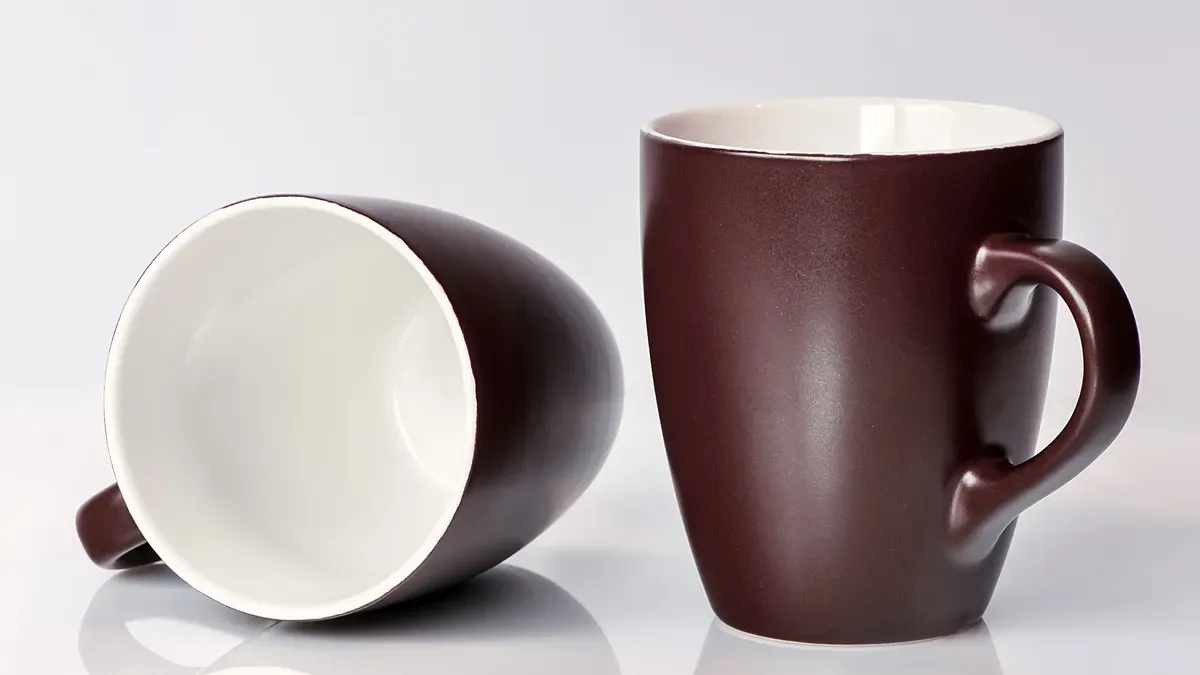
In a busy café, demand never stops. Your equipment has to handle constant use without breaking down. Putting durability first, instead of low upfront cost, saves money over time. A cup that chips or cracks fast means more replacements and service problems. This section helps you pick ceramic cups made to take daily wear and tear.
High-Fired Porcelain vs. Stoneware
The material you pick for commercial cups — high-fired porcelain or stoneware — decides how long they last. High-fired porcelain gets fired above 2200°F. This extreme heat forms interlocking mullite crystals that make the body stronger. The dense structure resists stains and moisture absorption. Stoneware fires at lower temperatures, which leaves the body more porous. Over time, stoneware can develop crazing and soak up oils, which looks unprofessional in a coffee shop.
Stoneware has thicker walls that cushion impacts, and its handle joints are more robust. However, high-fired porcelain resists chipping better at the rim because its body is harder. The overall strength also depends on glaze fit. A poorly fitted glaze can cut strength by up to 300% compared to a well-fitted one.
clayesouk, based in Jingdezhen, China, specializes in high-fired porcelain. Their handmade ceramic coffee cups are built to handle the tough demands of daily commercial use. Artisans make sure the glaze fit is optimal, which maximizes durability without making the ware brittle.
The following table summarizes how firing temperature affects strength:
Factor | Effect on Strength |
|---|---|
Higher firing temperature | Increases strength due to mullite crystal growth |
Over-firing | Reduces strength, makes ware brittle |
Lower firing temperature | Can still produce strong pieces if well-designed |
Glaze fit | Can change strength by up to 300%; good fit increases strength |
This data shows that precision in firing and glazing matters as much as the raw body. For your high-volume coffee demand, high-fired porcelain with excellent glaze fit gives the best mix of strength and longevity.
The Importance of Chip Resistance
Chip resistance directly affects your bottom line. Pieces that chip often raise your long-term costs. Every chipped item must be replaced. Service interruptions from breakage waste time and money.
Standard ASTM C368 tests chip resistance using pendulum or falling weight impact. Commercial tableware must handle repeated impacts without cracking or chipping. Rims are especially vulnerable because they touch other wares during stacking and washing.
When you choose ceramic cups, ask suppliers about quality control and rim design. Request samples to test under conditions similar to your daily operations. clayesouk’s high-fired porcelain body minimizes chipping, while the well-fitted glaze adds protection. The volume of use in your café makes chip resistance a critical factor. A well-made piece that survives bumps lowers overall costs and keeps your service running smoothly.
Selecting the Right Coffee Cup Sizes and Shapes
Picking the right size and shape for your ceramic cups changes drink quality and how happy customers are. Knowing standard coffee cup sizes helps you keep your recipes the same every time. Your menu needs to match standard volumes so customers get the experience they expect.
Standard Coffee Cup Sizes for Espresso and Latte
Specialty shops stick to well-known rules for espresso and milk drinks. An espresso cup holds 3–4 oz (60–90 ml). This small cup keeps the strong flavor and crema intact. For latte drinks, the standard sizes go from 8 oz (240 ml) to 16 oz (475 ml). The most common choices are 8 oz, 10 oz, and 12 oz cups.
Your coffee cup sizes control the milk-to-espresso ratio. Bigger volumes need more milk, which waters down the coffee strength. A 12 oz latte with one shot may taste weak. Some cafes use 20–22 g doses and split shots to keep things even across sizes. This method keeps dissolved solids noticeable in bigger drinks. Customers often think bigger drinks should taste lighter and smoother. More milk adds perceived sweetness while acidity and bitterness fade. Each size has its own job on your menu. Smaller cups work for straight espresso or cortados. Bigger ones suit milk-heavy drinks.
The Impact of Shape on Flavor and Foam
The shape and design change foam and latte art. A wide flared rim lets out more aroma before you sip. This design balances acidity and makes bright coffees taste smoother. A narrow or straight rim sends aroma right to the nose. It focuses the flow to a smaller palate area and makes the drink taste richer. A good rim width for aroma delivery is 3–5 mm. A thin rim lets delicate flavors shine. A thick rim can block flow and dull delicate flavors.
Pick cups with a wider rim for lighter coffees to boost aroma. Pick narrower rims for bold flavors to focus the taste. Match a flared rim with a delicate pour-over. Use a straight rim for a rich espresso.
A tulip-shaped cup traps vapors but lowers sweetness and acidity perception. A wider opening releases more aroma but raises sweetness and acidity perception. For light roasts with fruity notes, pick a wider rim. For bold espresso, use a straight rim that traps the flavor.
clayesouk offers custom ceramic design services. You can change shapes and sizes for specific recipes. You can pick ceramic cups that match your exact menu needs. This menu design cuts waste and speeds up service. Making your menu standard around proper sizes makes your operations smoother.
Heat Retention and Coffee Cup Thickness
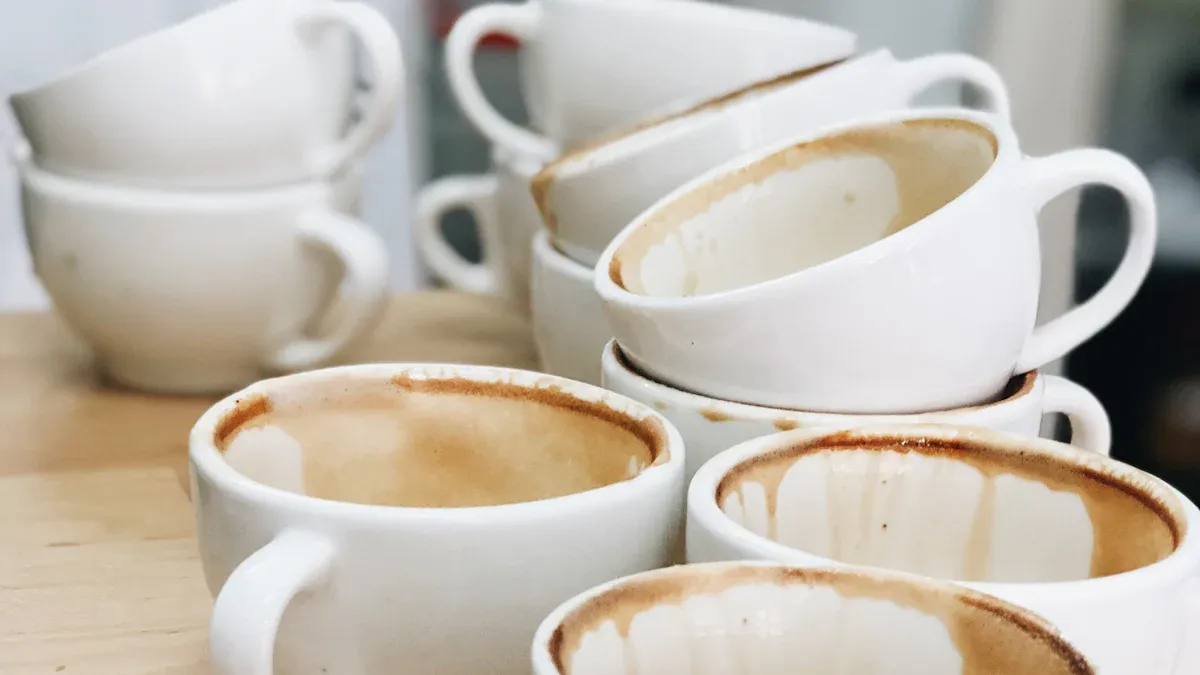
Temperature control is what makes a good café truly great. A hot drink that gets cold too fast upsets customers and hurts your name. The wall thickness of your ceramic cups plays a big part in how long drinks stay hot. Knowing this helps you pick the right cups for your busy shop.
The Role of Wall Thickness in Temperature Stability
Thick walls move heat from the liquid to the air more slowly than thin walls. This simple science makes thick-walled cups better at holding heat. The ability of different clays — porcelain, stoneware, and earthenware — to move heat is almost the same. The type of clay you pick does not change insulation much. Wall thickness matters a lot more than the kind of clay you choose.
A double-walled ceramic cup with a large air gap between the two walls keeps heat the best. In a direct test, double-walled cups kept coffee about 15 degrees hotter than normal ceramic mugs after 60 minutes. This difference matters a lot during the busiest times. For the best heat retention, pick a thick-walled stoneware cup with a closed shape. A narrow top with a wider belly traps heat well. Heating the cup first adds even more benefit.
clayesouk’s Handmade Ceramic Master Cup has a hollowed-out bottom inside. This design helps keep the temperature by stopping the hot liquid from touching the cooler base directly. The result is a coffee cup that keeps your espresso or latte warm for the whole time you drink it. Your customers see the difference when the last sip tastes as good as the first.
Pre-Heating: A Crucial Step for High-Volume Service
Heating a mug or thermos with hot water before you pour the coffee keeps it warm longer. This step adds 20 to 30 minutes to how long the drink stays hot. Ceramic mugs hold heat 15 to 20 minutes longer than uninsulated cups because of the material’s weight. Without preheating, ceramic mugs lose heat in 30 to 45 minutes in a normal room. During a busy rush, those minutes really matter.
Use a digital thermometer to check that the inside wall of the mug is at least 85°C after preheating. This is the closest clear temperature rule for ceramic cups. Preheating should keep the heat for over 60 seconds with a lid or towel wrap to work well.
Follow this simple method to warm your cups:
Boil water in your kettle or use the hot water setting on your coffee machine.
Fill your mug about half full with hot water.
Let it sit for 20 to 30 seconds.
Pour out the water and add your fresh-brewed coffee.
This routine makes sure coffee starts at its best and stays that way longer. Ceramic cups gain from preheating because they hold heat well overall. Warming cups ahead of time keeps coffee hotter for longer and also improves smell and flavor. No cup warmer is needed. Just pour boiling water into the cup and let it sit for a few minutes. This also helps espresso keep its crema longer. A hot cup tells your customers you care about quality. Using the right material and thickness, plus proper preheating, gives you a consistently great hot drink every time.
Balancing Design, Aesthetics, and Branding
Every detail you pick shapes your café’s mood. The right mix of color, finish, and branding on your ceramic cups changes how customers feel. A well-picked cup turns a plain coffee into a moment to remember. This section helps you balance good looks with real-world business needs.
Choosing Colors and Finishes for Your Café’s Vibe
The color of your cup changes how customers taste your menu items. Studies show cup color shifts taste perception and quality judgment in ways you can measure. You should match cup colors to your brand’s personality.
Cup Color | Psychological Effect on Taste Perception |
|---|---|
White | Boosts perceived bitterness and strength; coffee looks darker because of visual contrast, which makes the flavor seem stronger. |
Colored (pink, blue, red, brown, black) | Highlights certain traits: pink/red boost sweetness; blue makes coffee taste sweeter than white; brown/black suggest bitterness. |
Transparent | Lets people see the coffee’s color and texture, which shapes expectations and raises overall enjoyment. |
White cups create strong visual contrast and make your coffee look darker. This effect can change how it tastes to customers. For a menu built on light roasts, colored cups might boost sweetness perception. For dark roasts, white cups match the strength people expect. clayesouk’s Hand-Painted Blue and White Porcelain Tea Cups show how old-school craft blends with modern style.
White cups can boost how bitter coffee seems by creating stronger visual contrast, which makes the coffee look darker and more intense. This effect can change your overall tasting experience.
Finish choice matters just as much in a busy setting. The glaze type affects how long it lasts and how much care it needs.
Durability Factor | Glossy Glaze | Matte Glaze / Satin Finish |
|---|---|---|
Cutlery Scratch Resistance | Excellent; smooth glassy surface stops metal from sticking | Good only with special scratch-resistant formulas; normal matte gets marks easily |
Stain Resistance & Cleaning | Almost non-porous; easy to clean with one rinse | Needs density and low water absorption below 0.5% |
Stacking Wear | Low friction cuts down damage | Higher friction raises wear risk |
Best Commercial Use | High-turnover cafés | Boutique cafe settings |
Overall Durability | Best for superior scratch resistance | Durable with a special formula and high-temperature sintering |
A working matte glaze must resist cutlery marks and clean up well. Bad matte surfaces show up even on big-name tableware. Glossy glazes form a smooth, dense protective layer. This gives them great scratch resistance for commercial settings with heavy use.
Custom Branding: Logos, Patterns, and Practicality
Your cup works as a canvas for brand identity and recognition. clayesouk offers custom design services that let you personalize patterns, glazes, shapes, and sizes. You can print your logo or create unique patterns that show your café’s character. This branding turns every drink into a chance to market yourself.
Customization supports your menu structure. You can match cup colors to drink types or seasonal items. A unified look across your menu builds recognition and strengthens what customers expect.
Practicality matters in a busy café. Make sure all custom elements survive commercial dishwashing and stacking. Ask about glaze compatibility with your cleaning process. clayesouk gives guidance on maintenance and replacement options. This helps you manage long-term costs while keeping a consistent look across your operation.
Master Maintenance and Cost Management
Dishwasher Safety and Stackability
Keep your cups in good shape by washing them the right way. Always put ceramic cups on the top rack of your dishwasher. The top rack uses less heat and a gentler spray, so it lowers the chance of thermal shock. Sudden temperature changes can cause cracks, so never move cups straight from a hot wash to a cold rinse or from a freezer to a hot oven. Let them cool down on their own between cycles.
Stackability matters during your busiest service hours. Cups that nest neatly save shelf space and speed up restocking. Look for designs with stable bases and rims that do not stick when stacked. A cup that wobbles or sticks slows your team down during a rush. Replacement availability also keeps your operation running. When a cup breaks, you need a matching replacement fast. A steady supply chain stops mismatched sets from showing up on your shelves.
Bulk Purchasing and Cost-Per-Use Analysis
The upfront price of a coffee cup tells only part of the story. Cafés and coffee shops see a 10–20% annual breakage rate, mostly for cups and saucers. That hidden cost adds up quickly. Figure out your yearly breakage cost as quantity times breakage rate times replacement unit cost. Then find cost per piece per year by dividing total cost of ownership by quantity and by the analysis period in years.
The table below compares two options for 1,000 pieces over five years.
Item | Upfront Cost per Piece | Annual Breakage Rate | Expected Lifespan | 5-Year TCO (1,000 pieces) | Cost per Piece per Year |
|---|---|---|---|---|---|
Budget stoneware plate | $2.00 | 25% | 3 years | $9,500 | $1.90 |
Premium porcelain plate | $3.50 | 10% | 5 years | $8,450 | $1.69 |
The premium option costs more upfront but saves money over time. clayesouk backs this math with full after-sales support and strict quality standards. Their team gives maintenance guidance and fixes quality problems quickly. This support lowers your long-term costs and keeps your service steady. Your need for reliable cups meets a supply chain built for high-volume use.
You now know the five pillars for picking the right ceramic cups: durability, size, heat retention, design, and cost. The best cup balances all five factors. No single feature should control your decision. Think about total cost of ownership, not just the first price. Breakage and replacement costs add up fast in a high-volume setting.
Your menu and service speed depend on cups you can trust. A well-chosen cup keeps every hot coffee at the right temperature. It also creates a nice experience for each customer. When you choose ceramic cups with care, your café runs smoothly. Your team works faster. Your guests leave happy. That balance defines success.
FAQ
How often should you replace ceramic cups in a busy café?
Replace any cup with chips, cracks, or crazing right away. A 10–20% rate of broken cups each year is normal for busy shops. Check your cups every week and take out damaged ones before service. This habit keeps customers safe and your business running well.
Can you use the same cup for espresso and latte service?
No. Espresso needs a 3–4 oz cup to keep crema and strength. Latte drinks work best in 8–12 oz cups. Matching each drink to its right cup keeps your milk-to-coffee ratio even. Your menu stays the same for every order.
What makes high-fired porcelain better than stoneware for commercial use?
High-fired porcelain is fired above 2200°F to form a dense, non-porous body. This body resists stains, moisture, and rim chipping. Stoneware fires at lower temperatures and stays more porous. For daily commercial demand, porcelain holds up better over years of service.
How do you keep coffee hot from the first sip to the last?
Warm your cups with hot water for 20–30 seconds before pouring. Thick-walled porcelain slows heat loss. clayesouk’s Handmade Ceramic Master Cup has a hollowed-out bottom for more insulation. These steps keep every serving at the right temperature.
Does cup color really affect how customers taste their drinks?
Yes. White cups make coffee seem more bitter and strong through visual contrast. Pink and blue tones can make coffee taste sweeter. Match your cup color to your brand style and menu. This small choice shapes how people enjoy their drink.
